Oncogenic KRAS in Cancer Immunotherapy: From Oncogenic Signaling to Tumor-Immune Ecosystem Regulation
1 Department of Radiation Oncology, Shandong Provincial Key Laboratory of Radiation Oncology, Shandong Cancer Hospital and Institute, Shandong First Medical University, Shandong Academy of Medical Sciences, Jinan, 250000, China.
2 Independent Researcher, Victoria, British Columbia, V8 V 1P7, Canada.
3 Department of Gastroenterology, Zhujiang Hospital, Southern Medical University, Guangzhou, 510280, China.
Correspondence: Milad Ashrafizadeh (dvm.milad1994@gmail.com)
Received: January 24, 2026
Accepted: May 5, 2026
Published: August 12, 2026
© 2026 The Author(s). Published by GCINC Press, Spokane, Washington, United States. Open Access licensed under a Creative Commons Attribution 4.0 International License (CC BY 4.0), which permits unrestricted use, distribution, and reproduction in any medium, provided the original author(s) and source are credited. To view a copy of this license, visit: Creative Commons Attribution 4.0 International License (CC BY 4.0)
Abstract
KRAS mutations are among the most prevalent oncogenic drivers in human malignancies and are increasingly recognized as critical determinants of tumor progression, immune evasion, and therapeutic resistance. Beyond its canonical role in promoting oncogenic signaling, accumulating evidence indicates that KRAS functions as a regulator of the tumor immune microenvironment, influencing antigen presentation, inflammatory signaling, metabolic adaptation, stromal remodeling, and responsiveness to immunotherapy. This review synthesizes current knowledge regarding the biological and immunological consequences of oncogenic KRAS across major cancer types, including non-small cell lung cancer, colorectal cancer, and pancreatic ductal adenocarcinoma, with emphasis on the mechanisms by which KRAS-driven tumors establish and maintain immunosuppressive microenvironments. Recent advances in immunopeptidomics and precision immuno-oncology have identified KRAS-derived neoantigens that can be targeted through T-cell receptor-engineered therapies, bispecific antibodies, and therapeutic vaccines. Concurrently, the clinical development of direct KRAS inhibitors, including sotorasib and adagrasib, has demonstrated meaningful antitumor activity while revealing adaptive resistance mechanisms that frequently limit durable responses. Emerging evidence suggests that effective therapeutic strategies will require integrating KRAS-targeted therapies with immune checkpoint blockade and other immunomodulatory approaches to overcome tumor-intrinsic and microenvironment-mediated resistance. Collectively, current evidence supports a paradigm in which KRAS functions not only as an oncogenic driver but also as a regulator of tumor-immune interactions, shaping therapeutic responsiveness and providing opportunities for biomarker-guided and combination-based immunotherapy in KRAS-mutant cancers.
Keywords
KRAS; tumor immune microenvironment; cancer immunotherapy; immune evasion; immune checkpoint blockade; KRAS inhibitors; adaptive resistance; neoantigens; precision immuno-oncology
1. Introduction
Cancer immunotherapy has transformed oncology by showing that the immune system can be stimulated to manage cancer without directly attacking tumor cells, particularly through immune checkpoint blockade. In addition to "passive" strategies, including monoclonal antibodies and adoptive cell therapies, which can elicit immediate antitumor responses and have demonstrated efficacy in hematologic malignancies and selected solid tumors, there is renewed interest in "active" immunotherapeutic approaches that aim to generate durable, tumor-specific immune responses. This concept dates to William Coley's use of bacterial preparations in the late nineteenth century. Although significant responses occur in melanoma and microsatellite-instability tumors, the majority of malignancies derive limited benefit due to primary, adaptive, and acquired resistance, as well as the challenges of safely overcoming local immune tolerance without triggering systemic autoimmunity. Optimizing dosage and scheduling is difficult because the maximal tolerable dose frequently fails to predict optimal immunologic effectiveness, and the scarcity of validated biomarkers complicates trial design. Historically, these obstacles, coupled with safety concerns, hindered acceptance; nonetheless, contemporary advancements in antibody and T-cell engineering, together with a deeper understanding of the tumor immune milieu, are augmenting the therapeutic index. The primary objective is to disrupt tolerance specifically at the tumor site, enhance efficient cytotoxic T-cell responses, and translate immunogenicity into reliable, long-lasting therapeutic benefits across various solid tumors (1-3).
The RAS GTPases, particularly KRAS, promote tumor proliferation through hotspot missense mutations (G12, G13, Q61) that activate the RAF/ERK and PI3K signaling pathways, with KRAS serving as a clonal driver in pancreatic, colorectal, and lung adenocarcinomas; prevalent KRAS variants include G12D, G12V, G12C, and G12R. These mutations can generate HLA-presented neoantigens, prompting immunotherapies that include vaccinations, TCR-engineered T cells, affinity-enhanced TCRs (such as ImmTACs), and bispecific T-cell engagers; proof-of-concept regressions have been reported in isolated case reports (anecdotal evidence), which should be interpreted as hypothesis-generating rather than definitive evidence of clinical efficacy. Immunopeptidomics has delineated numerous class I epitopes associated with prevalent HLA alleles (particularly A*11:01 and A*03:01; fewer for A*02:01), facilitating early clinical approaches. Small-molecule G12C inhibitors (sotorasib, adagrasib) demonstrate clinically meaningful activity in selected settings, although acquired resistance commonly limits durability of response, prompting exploration of combination therapies and “haptenated peptide” targeting strategies. Significant obstacles include restricted HLA population representation (~25% for existing class I targets in PAAD/LUAD/COAD), protracted and disjointed screening (HLA typing and KRAS genotyping), antigen-processing deficiencies, diminished p-HLA density, and immune evasion (HLA loss), alongside the ambiguous direct tumor recognition by class II-restricted CD4 T cells. Nevertheless, swift progress in vaccines, adoptive T-cell therapies, bispecifics, and degraders, frequently in conjunction with KRAS inhibitors, establishes mutant KRAS as a prominent test case for converting clonal driver neoantigens into enduring, broadly applicable immuno-oncology therapeutics (4, 5).
Although KRAS mutations share common oncogenic features, their biological and therapeutic consequences vary substantially across tumor lineages, co-occurring genomic alterations, and microenvironmental contexts. Accordingly, evidence is interpreted within the specific disease settings in which it was generated, and observations from one KRAS-driven malignancy may not generalize to others. Growing evidence indicates that KRAS functions not only as a tumor-intrinsic oncogenic driver but also as a regulator of the broader tumor ecosystem, influencing metabolic adaptation, immune surveillance, stromal remodeling, and therapeutic responsiveness. This conceptual framework underpins the discussion throughout this review.
2. Molecular Biology and Oncogenic Functions of KRAS
The importance of KRAS in human cancer emerged in the early 1980s through studies of transforming retroviruses carrying ras oncogenes. The viral Kirsten and Harvey sarcoma viruses led to the identification of cellular RAS proto-oncogenes, including KRAS, HRAS, and NRAS. In 1983, Der and colleagues demonstrated that an aberrant p21 RAS protein identified in human colon and lung cancer cell lines possessed transforming activity in NIH3T3 fibroblasts. These findings were corroborated by Parada, Weinberg, and others, who showed that activated KRAS oncogenes could induce cellular transformation, thereby establishing RAS signaling as a fundamental driver of human tumorigenesis. The anomalous p21 proteins generated by KRAS mutations were associated with persistent activation in malignancies. KRAS is now recognized as an upstream sensor that activates several signaling pathways from the cell surface to the nucleus, affecting differentiation, proliferation, chemotaxis, and apoptosis. KRAS remodels the cytoskeleton via these pathways, modifying cell shape, adhesion, and motility (6). KRAS, located on chromosome 12p12.1, is a member of the core RAS gene family, which includes HRAS on 11p15.5 and NRAS on 1p13.1. The role of RAS in cancer was first emphasized more than 30 years ago, when KRAS and HRAS were shown to confer the transforming activity of rat sarcoma retroviruses. It is now established that somatic mutations in the cellular KRAS, HRAS, and NRAS variants are prevalent in several human malignancies, predominantly at codons 12, 13, and 61, resulting in constitutive RAS activation. RAS mutations occur together in approximately 30% of human malignancies, with KRAS being the most frequently altered variant (7).
Like its counterparts HRAS on 11p and NRAS on 1p, KRAS spans approximately 30 kb and includes four exons, encoding two isoforms, KRAS-4B (predominant) and KRAS-4A, which differ due to alternative splicing of exon 4. The RAS protein has a structured G domain that includes the P-loop, switch I, and switch II, along with a hypervariable region (HVR) containing a CAAX motif that directs it to membranes. KRAS is a small GTPase that cycles between inactive GDP-bound and active GTP-bound states: receptor signals (e.g., EGFR) recruit GEFs such as SOS to facilitate GTP loading, whereas GAPs such as NF1 promote GTP hydrolysis to terminate signaling. In its GTP-bound state, possibly as a monomer or dimer, KRAS interacts with downstream effectors to activate key pathways such as RAF-MEK-ERK and PI3K-AKT-mTOR, integrating inputs (growth factors, chemokines, Ca²⁺, RTKs) to modulate cell proliferation, differentiation, and survival (8).
KRAS expression is regulated post-transcriptionally by noncoding RNAs: let-7 miRNA facilitates KRAS mRNA degradation through LCS sites (which are disrupted by the LCS6 variant), H19 lncRNA counteracts let-7 to stabilize KRAS, and additional miRNAs (such as miR-16, miR-18a specific to KRAS along with miR-622, miR-1, miR-217, and miR-143/145) also inhibit KRAS. KRAS expression alone is inadequate for tumorigenesis; KRAS requires activation either physiologically through receptor tyrosine kinases via GEF/GAP regulation of GDP/GTP cycling, or pathologically through activating mutations (common variants include G12A/C/D/S/V, G13C/D; numerous rarer variants) that typically hinder GTP hydrolysis and promote constitutive signaling (with mutation-specific distinctions). Specific mutations exert supplementary effects (e.g., KRAS G13D recruits ZNF304-DNMT1 to epigenetically repress tumor suppressors). KRAS mutations are prevalent in various cancers, with approximate frequencies of 57% in pancreatic cancer, 33% in CRC, 31% in biliary cancer, 20% in small intestine cancer, 17% in lung cancer, 14% in endometrial/ovarian cancer, 8% in prostate cancer, 7% in cervical cancer, 6% in gastric cancer, and around 5% in urinary tract, liver, and hematologic malignancies. This likely underrepresents the total activation of KRAS, as receptor tyrosine kinase-driven wild-type KRAS is not included in these figures. Both splice isoforms (KRAS4A and KRAS4B) possess carcinogenic potential. RTK networks closely interact with KRAS EGFR, which is crucial in KRAS-driven pancreatic cancer; in CRC, VEGFR2/KDR and PDGFRA are associated with codon 12/13 KRAS mutations. KRAS G12D cancers regulate a stromal program via Sonic Hedgehog, thereby increasing IGF1 and GAS6, activating IGF1R and AXL/TYRO3, and activating downstream AKT, MEK, and IRS-1. KRAS-mutant can simulate receptor tyrosine kinase (RTK) activity, frequently resulting in resistance to RTK inhibitors (IGF1R TKIs); however, vulnerabilities remain. AXL inhibition disrupts DNA damage responses and may sensitize tumors to PARP inhibitors. KRAS-driven transformation often coexists with genomic instability and modifies RTK-RAS effector signaling, thereby facilitating cancer and treatment resistance (9). Although KRAS mutations share common biochemical consequences, accumulating evidence indicates that individual KRAS variants differ in signaling output, metabolic dependencies, and interactions with the immune microenvironment. These distinctions have important implications for therapeutic responsiveness and are discussed in the following section.
KRAS mutations predominantly occur in codons 12, 13, and 61, with infrequent alterations at codons 63, 117, 119, and 146. Structural analysis shows that these missense mutations frequently impair KRAS's intrinsic GTPase activity, though the specific consequences vary by mutation. Substitutions at glycine 12 impede GAP binding and GAP-facilitated GTP hydrolysis; alterations at codon 13 cause steric interference with the catalytic arginine, diminishing GAP interaction and hydrolysis; and mutations at glutamine 61 directly obstruct catalysis by misaligning the attacking water and destabilizing the transition state. With diminished GTPase activity, the nucleotide state of KRAS is more influenced by relative nucleotide affinities and cellular concentrations, thereby favoring GTP over GDP and increasing the active, GTP-bound fraction. Moreover, mutations at codons 12, 13, and 61 can diminish the affinity of the RAF RBD to varying degrees (10). The KRAS G12C inhibitors sotorasib and adagrasib selectively bind and stabilize KRAS G12C in its inactive GDP-bound conformation, thereby suppressing downstream oncogenic signaling (11). KRAS activity is regulated by its nucleotide-binding state: guanine nucleotide exchange factors (GEFs) promote the exchange of GDP for GTP, generating the active form of KRAS, whereas GTPase-activating proteins (GAPs) accelerate GTP hydrolysis and restore the inactive GDP-bound state. Oncogenic KRAS mutations frequently impair this regulatory cycle, resulting in persistent pathway activation and sustained proliferative signaling. Activated KRAS engages multiple downstream effectors, most notably the RAF-MEK-ERK (MAPK) pathway, the PI3K-AKT-mTOR signaling axis, and Ral guanine nucleotide exchange factor pathways, all of which contribute to tumor initiation, progression, and therapeutic resistance (12).
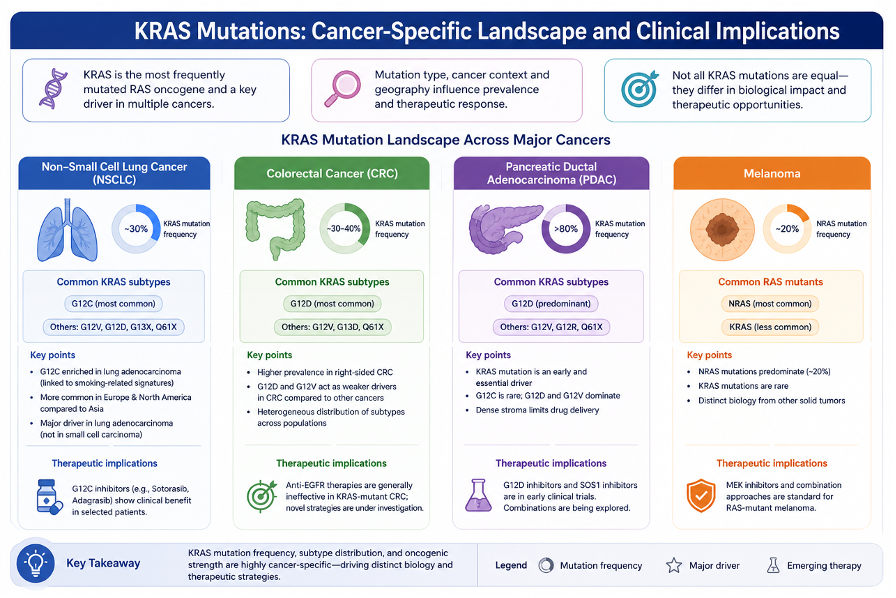
TCGA studies reveal that KRAS mutations occur in approximately 11.6% of all carcinomas, with rates and patterns varying by tumor type. The highest prevalence is observed in pancreatic ductal adenocarcinoma (PDAC) (81.72%), followed by CRC (37.97%) and NSCLC (21.20%). Additional tumor types with significant KRAS mutation frequencies include cholangiocarcinoma (~12.7%), uterine endometrial carcinoma (~14.1%), testicular germ cell cancer (~11.7%), and cervical squamous cell carcinoma (~4.3%). Across malignancies, KRAS mutations primarily occur as missense variants at codon 12, with G12D (29.19%), G12V (22.97%), and G12C (13.43%) the most prevalent. In PDAC, KRAS mutations occur in >80% of cases, with G12D the predominant subtype; in CRC, G12D and G12V are the most prevalent. In lung tumors, KRAS variants account for 11.2-25.3% of mutations, with G12C representing 2.8-15%. In non-small cell lung cancer (NSCLC), G12C is the predominant KRAS subtype, accounting for around 45% of KRAS mutations, followed by G12V and G12D. The overall KRAS mutation rate in uncommon cancers is around 8.7%, with G12D, G12V, and G13D the most common variants (13).
3. Context-Dependent Consequences of Oncogenic KRAS
RAS oncogenes are among the most frequently mutated genes in human cancers, with KRAS the most prevalent, particularly in pancreatic cancer (>80%), colorectal cancer, cholangiocarcinoma, and lung adenocarcinoma (>30%), serving as an early driver mutation. Mutation frequencies vary significantly by cancer type, histology, and geographic region. KRAS mutations in lung adenocarcinoma are more common in Europe and North America but less frequent in Asia, whereas EGFR mutations show the opposite pattern, reflecting distinct carcinogenic mechanisms (14). NRAS mutations are most notable in melanoma (~20%), certain hematologic malignancies, and CRC, whereas HRAS mutations are relatively rare, occurring mainly in bladder and cervical cancers. KRAS mutations also exhibit tumor- and site-specific patterns, such as higher prevalence in right-sided CRC and restriction to lung adenocarcinoma rather than small cell carcinoma. At the molecular level, distinct KRAS mutation subtypes (G12D, G12V, G12C) show variable distributions across cancers, with G12D common in pancreatic cancer, G12C enriched in lung adenocarcinoma (linked to smoking-related mutational signatures), and others displaying tissue-specific patterns tied to different mutagenic processes, such as mismatch repair deficiency. These mutational signatures highlight the influence of environmental exposures and genomic instability in shaping KRAS alterations. Functionally, KRAS mutations differ in their oncogenic potency and are classified as major or minor drivers depending on their selective advantage in specific cancers. For instance, G12C is a major driver in lung cancer, while G12D and G12V may act as weaker drivers in CRC but stronger ones in endometrial tumors, highlighting that not all KRAS mutations are biologically equivalent and may have distinct roles in tumor initiation, progression, and therapeutic response (15).
However, the functional significance of individual KRAS variants remains incompletely resolved. Observed differences may reflect not only intrinsic biochemical properties of the mutant proteins but also tissue-specific selective pressures, co-mutation patterns, and microenvironmental influences.
KRAS in NSCLC
A nationwide study using data from the Netherlands Cancer Registry assessed the prognostic significance of the KRAS G12C mutation relative to other KRAS variants in patients with stage IV NSCLC receiving first-line chemoimmunotherapy or immunotherapy. In a cohort of 1,185 patients with KRAS-mutant lung adenocarcinoma (494 with G12C mutations), mOS was comparable between groups (15.5 months for G12C versus 14.0 months for non-G12C), with no statistically significant difference and no independent correlation in multivariable analysis. Subgroup analyses by PD-L1 expression showed no significant survival disparities; however, the G12C cohort had a numerically higher median OS in both the 0-49% (chemoimmunotherapy) and ≥50% (monotherapy) PD-L1 categories. These findings suggest that KRAS subtype alone may have limited prognostic value in the setting of contemporary immunotherapy-based treatment, although modest subtype-specific effects cannot be excluded (16).
A retrospective analysis of 60 patients with NSCLC possessing KRAS mutations revealed that the majority had advanced-stage adenocarcinoma with codon 12 mutations, and assessed the effect of immunotherapy on survival outcomes. The median OS for the group was 28 months, with patients receiving immunotherapy showing a numerically longer survival than those not receiving it (33 vs. 22 months), and a statistically significant association between immunotherapy administration and improved survival. The findings are consistent with a potential benefit from immunotherapy; however, interpretation is limited by the retrospective design, small sample size, and potential selection bias (17).
Current evidence suggests that the relationship between KRAS mutations and immunotherapy responsiveness in NSCLC is more strongly shaped by co-occurring genomic alterations and immune context than by KRAS subtype alone. While some studies report favorable outcomes in specific KRAS variants, others have failed to demonstrate independent prognostic significance after accounting for clinical and molecular factors. These observations support integrating co-mutation status, PD-L1 expression, and immune profiling into biomarker strategies rather than relying on KRAS genotype alone. Notably, the prognostic and predictive significance of individual KRAS variants remains controversial. Differences in cohort composition, treatment regimens, smoking history, PD-L1 expression, and co-occurring genomic alterations may contribute to the inconsistent findings reported across studies. Prospective validation of subtype-specific associations remains limited. Overall, current evidence indicates that co-mutation status and immune context exert greater influence on immunotherapy responsiveness than KRAS subtype alone.
KRAS in PDAC
KRAS mutations are common in PDAC and are critical drivers of tumor proliferation and survival, making them significant targets for precision treatments. The development of KRAS inhibitors is relatively recent, yet they have demonstrated clinical efficacy, particularly in NSCLC and cancers harboring the KRAS G12C mutation. Despite the potential for resistance to these regimens, drugs such as sotorasib and adagrasib have shown response rates of around 40% and robust disease control. The KRAS G12C mutation is rare in PDAC, and inhibitors that specifically target the more prevalent KRAS mutations in this malignancy are still in the early stages of research. Despite obstacles, including the dense stromal milieu in PDAC that restricts drug infiltration, individuals with the uncommon G12C genotype have nonetheless benefited from approved targeted treatments. MRTX1133 is an emerging investigational agent that selectively targets the KRAS G12D mutation and has demonstrated significant preclinical activity, including the ability to modify the tumor immune milieu to enhance immunotherapy responses. Further G12D-targeted inhibitors are currently being studied. In addition to directly suppressing KRAS, alternative approaches target SOS1 as a comprehensive, pan-KRAS strategy. The SOS1 inhibitor BI-1701963 is currently undergoing clinical studies, often in combination therapies, and analogous medicines are anticipated to broaden therapeutic options for non-G12C KRAS mutations commonly observed in PDAC. Moreover, novel SOS1-targeting PROTACs may enhance efficacy by facilitating SOS1 degradation and more effectively inhibiting KRAS signaling (18).
PDAC is an exceptionally aggressive cancer with few viable therapeutic options, underscoring the urgent need for innovative therapeutic approaches. The therapeutic efficacy of pharmacologic KRAS inhibition, a major oncogenic driver in PDAC, has been evaluated in numerous experimental models. In a panel of PDAC cell lines, targeting KRAS G12D with MRTX1133 produced inconsistent effects on cell proliferation and downstream gene expression in two-dimensional cultures. CRISPR-Cas9 loss-of-function screening identified ITGB1 as a candidate target to enhance sensitivity to MRTX1133. Gene-specific knockdown confirmed the role of mechanotransduction signaling and YAP/TAZ expression, and these effects were synergistic when paired with KRAS inhibition. MRTX1133 demonstrated superior efficacy in three-dimensional culture systems. In vivo, MRTX1133 therapy elicited a robust cytostatic response and effectively controlled tumor development in patient-derived xenograft models of PDAC. In syngeneic animals, suppression of KRAS G12D led to tumor regression, a phenomenon not observed in immunodeficient settings. Spatial analysis of tumor tissues showed that KRAS inhibition increased interferon-gamma (IFNγ) signaling and facilitated antigen presentation, thereby altering the tumor microenvironment (TME). Subsequent immunological evaluations using single-cell sequencing and multispectral imaging revealed that tumor regression was associated with reduced neutrophil presence and increased infiltration of effector CD8+ T cells. These data collectively suggest that both tumor-intrinsic and microenvironmental processes influence the therapeutic response to MRTX1133, supporting further evaluation of KRAS G12D inhibition as a therapeutic strategy in preclinical and early clinical settings (19).
Oncogenic KRAS G12D is pivotal in initiating and maintaining PDAC and acts as an inhibitor of anti-tumor immunity. In genetic animal models of PDAC, conditional ablation of KRAS G12D reactivates FAS signaling, facilitating CD8+ T cell-mediated apoptosis and resulting in complete tumor remission. Removing KRAS G12D also promotes the recruitment of activated CD4+ and CD8+ T lymphocytes and augments antigen-presenting cell function. Immune evasion mediated by KRAS G12D entails epigenetic alteration of the Fas death receptor in tumor cells via promoter methylation. Furthermore, analysis of human RNA sequencing data reveals that PDAC tumors with elevated KRAS expression harbor fewer CD8+ T cells and are associated with shorter patient survival compared with tumors with lower KRAS expression. These findings support an important role for CD8+ T cells in mediating responses to KRAS inhibition, although the relative contributions of other immune populations remain incompletely defined (20).
The oncogenic KRAS G12D mutation is a principal cause of PDAC, crucial for tumor initiation and maintenance, and facilitates immune evasion by inhibiting anti-tumor responses. Its action results in sustained signaling that promotes cancer cell proliferation, survival, metabolic reprogramming, and alteration of the TME, while concurrently diminishing CD8+ T cell infiltration. KRAS mechanistically facilitates immunosuppression through epigenetic regulation and activation of downstream pathways, including the MAPK and PI3K/AKT signaling pathways. Experimental models indicate that persistent KRAS signaling is essential for tumor progression and metastasis, and its deactivation can reverse conditions that promote tumor growth. Although direct KRAS inhibition is a significant therapeutic objective, it presents considerable challenges, underscoring the need to target its downstream pathways and to integrate these approaches with immunotherapy to enhance outcomes in PDAC (21).
A recurring theme across these studies is that KRAS functions not only as a tumor-intrinsic driver of proliferation but also as an active regulator of immune exclusion. However, most supporting evidence still derives from preclinical systems and genetically engineered mouse models. Whether the degree of immune remodeling observed after KRAS inhibition can be reproduced in patients with advanced PDAC and translated into durable clinical benefit remains an important unanswered question. These findings position immune exclusion as a central barrier to effective immunotherapy in KRAS-driven pancreatic cancer. Collectively, these studies indicate that KRAS-mediated immune suppression in pancreatic cancer extends beyond tumor-intrinsic signaling and involves active remodeling of the surrounding immune ecosystem.
KRAS in CRC
A significant constraint on therapies targeting kinase signaling pathways is the emergence of secondary drug resistance. Cetuximab, a monoclonal antibody targeting the extracellular domain of the epidermal growth factor receptor (EGFR), is efficacious in a subset of KRAS-wild-type metastatic colorectal tumors. Nonetheless, despite initial responses, resistance often arises, limiting its long-term clinical efficacy. The molecular mechanisms underlying this acquired resistance have remained unclear. Molecular alterations in KRAS, predominantly point mutations, are strongly associated with the development of resistance to anti-EGFR therapy in CRC. Expression of KRAS mutant via its endogenous promoter is sufficient to confer resistance to cetuximab, while resistant cells remain sensitive to concurrent suppression of EGFR and mitogen-activated protein kinase kinase (MEK). Analyses of metastatic tumors from patients exhibiting resistance to cetuximab or panitumumab indicate KRAS amplification in certain instances and secondary KRAS mutations in a significant fraction. KRAS mutant alleles can be identified in patient blood samples months before radiographic evidence of disease progression. These findings suggest that KRAS mutations are significant contributors to acquired resistance, highlight the possibility of early non-invasive identification, and support combining MEK inhibitors with EGFR-targeted therapy to delay or overcome resistance (22).
The role of oncogenic KRAS in tumor immune evasion remains incompletely understood; nonetheless, KRAS mutants have been recognized as pivotal mediators of immune suppression in CRC. In human CRC samples, tumors with KRAS mutations exhibit markedly reduced infiltration by cytotoxic CD8+ T lymphocytes compared with those with wild-type KRAS. This finding is corroborated by preclinical models, in which KRAS-mutant tumors show reduced responses to anti-PD-1 therapy and adoptive T-cell therapies. Tumor cells with KRAS mutations produce more lactic acid, which promotes activation-induced cell death in tumor-specific CD8+ T lymphocytes by inhibiting NF-κB signaling. This mechanism likely contributes to the decreased presence of cytotoxic T lymphocytes in the TME. The resistance of KRAS-mutant tumors to immunotherapy can be alleviated by directly targeting KRAS or by reducing lactic acid generation. These findings underscore KRAS-mediated immune regulation as a potentially actionable therapeutic vulnerability (23).
The biological functions and mechanisms by which oncogenic KRAS G12D confers resistance to immune checkpoint blockade (ICB) remain poorly understood. KRAS G12D inhibits the production of interferon regulatory factor 2 (IRF2), a transcriptional repressor of CXCL3. Consequently, reduced IRF2 levels increase CXCL3 expression, which engages CXCR2 on myeloid-derived suppressor cells, thereby facilitating their recruitment into the TME. The aggregation of immunosuppressive cells fosters resistance to anti-PD-1 treatment in malignancies harboring KRAS G12D. Restoring IRF2 expression or suppressing CXCR2 can overcome this resistance. In CRC, elevated IRF2 expression correlates with improved response to anti-PD-1 therapy. The KRAS G12D-IRF2-CXCL3-CXCR2 signaling axis provides a mechanistic framework that may help explain resistance to immune checkpoint blockade in selected CRC subsets (24). Collectively, these studies indicate that KRAS-mediated immune suppression in CRC extends beyond tumor-intrinsic signaling and involves active remodeling of the surrounding immune ecosystem. However, the relative contribution of individual suppressive pathways may vary substantially across molecular subtypes and disease stages. Notably, the immunosuppressive effects attributed to KRAS in CRC appear to arise through multiple partially overlapping mechanisms, including altered cytokine signaling, metabolic reprogramming, and recruitment of suppressive myeloid populations. The relative contribution of these pathways remains incompletely defined and may vary with tumor stage, microsatellite status, and co-occurring genomic alterations. While mutation-specific biology helps explain differences in tumor behavior and therapeutic response, KRAS-driven cancers also share common downstream programs that influence metabolism, cell survival, treatment resistance, and interactions with the immune microenvironment.
4. KRAS-Driven Hallmarks of Cancer
Metabolic Reprogramming in KRAS-Driven Cancers
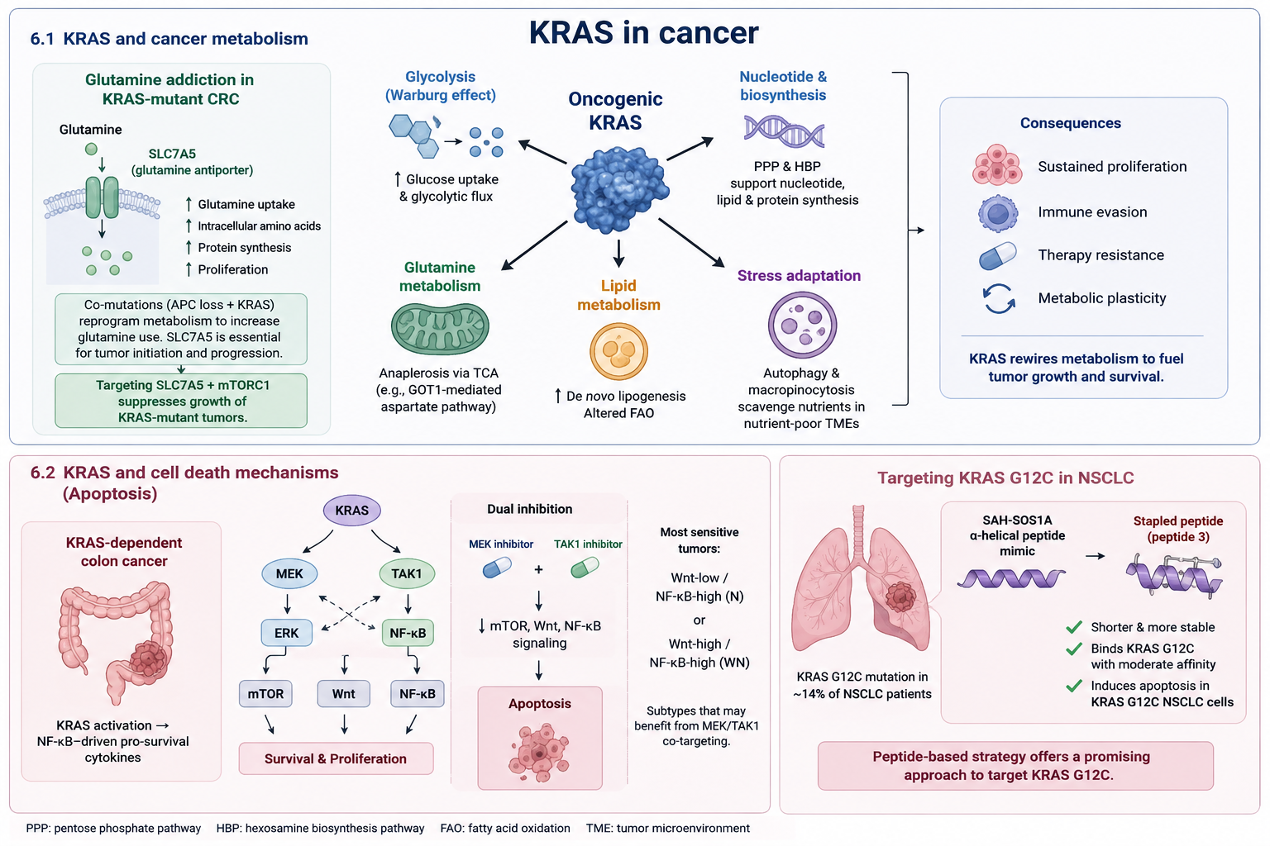
SIRT5 functions as a tumor suppressor in PDAC. Public datasets and tissue microarrays showed that SIRT5 levels were higher in tumors with reduced tumor cell proliferation and better patient survival. Conditional Sirt5 knockout in autochthonous mouse models accelerated acinar-to-ductal metaplasia, precursor lesion formation, tumorigenesis, and shortened survival. Mechanistically, SIRT5 loss increased acetylation-mediated activation of GOT1, driving glutamine and glutathione metabolism; metabolomics and proteomics in PDAC cells and organoids supported this rewiring. A selective SIRT5 activator, MC3138, mimicked SIRT5 overexpression, reduced nucleotide pools, and showed antitumor effects while sensitizing PDAC cells, organoids, and patient-derived xenografts to gemcitabine, highlighting SIRT5 activation as a therapeutic strategy (25). Building on the discovery that glutamine metabolism influences tumor dynamics, the focus shifts to KRAS-mutant CRC, characterized by the frequent co-occurrence of APC depletion and oncogenic KRAS. Despite the difficulties associated with direct KRAS inhibition and the limited advantages of downstream pathway blocking, KRAS activation alters baseline metabolism, enhancing glutamine utilization for proliferation. In the intestinal epithelium of mice, concurrent mutations in Apc and Kras significantly alter metabolism, thereby enhancing glutamine use. The glutamine antiporter SLC7A5 is crucial for colorectal carcinogenesis in both early lesions and advanced metastatic models. SLC7A5 maintains intracellular amino acid levels post-KRAS activation via coordinated transcriptional and metabolic reprogramming, meeting the increased demand for protein synthesis that drives the rapid proliferation of KRAS-mutant cells. Simultaneously suppressing protein synthesis through a mTORC1 regulator and deleting Slc7a5 impedes the growth of established Kras-mutant tumors, identifying SLC7A5 as a potential therapeutic target in therapy-resistant KRAS-mutant CRC (26).
KRAS is widely regarded as a major regulator of metabolic reprogramming in cancer, although the specific metabolic dependencies appear highly context-dependent across tumor types. Oncogenic KRAS enhances glycolytic flux (the “Warburg effect”) by upregulating glucose transporters and key glycolytic enzymes, while simultaneously diverting intermediates into anabolic pathways such as the pentose phosphate pathway and hexosamine biosynthesis to sustain nucleotide, lipid, and protein synthesis. Beyond glucose metabolism, KRAS-driven tumors exhibit increased dependence on glutamine metabolism, using it as a carbon and nitrogen source to replenish tricarboxylic acid (TCA) cycle intermediates and maintain redox balance, often via noncanonical pathways such as GOT1-mediated aspartate metabolism in pancreatic cancer. Additionally, KRAS signaling influences lipid metabolism by promoting de novo lipogenesis and altering fatty acid oxidation, and it modulates autophagy and macropinocytosis to scavenge extracellular nutrients, particularly in nutrient-poor TMEs. These metabolic adaptations not only fuel tumor growth but also contribute to immune evasion and therapeutic resistance, supporting continued investigation of KRAS-associated metabolic vulnerabilities as potential therapeutic targets.
An emerging challenge is distinguishing universal KRAS-dependent metabolic liabilities from tissue-specific adaptations, as therapeutic vulnerabilities identified in one tumor type have not consistently translated across KRAS-driven malignancies. Despite extensive characterization of KRAS-associated metabolic rewiring, translating these discoveries into effective therapies has proven challenging. Many metabolic dependencies identified in experimental systems appear highly context-dependent, and metabolic plasticity may allow tumors to compensate when individual pathways are inhibited. Consequently, distinguishing broadly applicable vulnerabilities from tissue-specific adaptations remains an important priority. Collectively, these findings identify metabolic reprogramming as a central mechanism by which KRAS shapes tumor progression, immune evasion, and therapeutic resistance.
Cell Death Regulation in KRAS-Driven Cancers
Apoptotic Signaling and Survival Pathways
MEK inhibitors often have limited efficacy against malignancies driven by the RAS-RAF-MEK pathway due to feedback compensation and dose-limiting toxicities that diminish their impact; co-administering them with other targeted therapies may enhance therapeutic efficacy. The functional dependencies among MEK, TAK1, and KRAS in colon cancer were investigated, demonstrating that simultaneous inhibition of MEK and TAK1 enhances apoptosis in KRAS-dependent cells. Pharmacologic profiling and cell-cycle analysis of a comprehensive array of colon cancer cell lines demonstrated that concurrent inhibition of MEK and TAK1 induces cell death, as measured by sub-G1 accumulation, in a specific group of models. Inhibition of TAK1 alone often resulted in G2-M arrest and polyploidy, but concurrent inhibition with MEK reduced G2-M/polyploid populations and yielded additive cytotoxic effects in KRAS/TAK1-dependent cell lines and some BRAF-mutant lines. Sensitivity to MEK/TAK1 co-inhibition can be mechanistically influenced by KRAS and BMP receptor activation, thereby enhancing NF-κB-dependent proinflammatory cytokine production that promotes tumor survival and proliferation. In TAK1/MEK-dependent cell lines, dual inhibition concurrently decreased mTOR, Wnt, and NF-κB signaling, leading to apoptosis. A Wnt/NF-κB transcriptional signature was established, categorizing primary tumors into three subtypes: Wnt-high/NF-κB-low (W), Wnt-low/NF-κB-high (N), and Wnt-high/NF-κB-high (WN), each exhibiting unique characteristics, such as the prevalence of BRAF mutations and serrated carcinoma histology in the N subtype. The N and WN groups exhibit molecular characteristics indicative of MEK and TAK1 reliance observed in cell lines, suggesting that these subtype signatures may facilitate the identification of malignancies most likely to respond to MEK/TAK1-targeted therapy (27).
Lung malignancies are the leading cause of cancer-related death worldwide and pose a significant risk to human health. NSCLC accounts for about 80% of cases. The KRAS G12C variant is a major oncogenic driver in NSCLC, present in about 14% of patients, yet only a few targeted therapies are available, alongside other variants such as KRAS G12V/D. Building on the α-helical peptide mimic SAH-SOS1A, a shorter, more stable hydrocarbon-stapled peptide (peptide 3) was developed, showing moderate KRAS G12C binding affinity and comparable anti-tumor activity. In KRAS-mutant lung cancer cells, peptide 3 inhibited KRAS-mediated RAF/MEK/ERK signaling, leading to G2/M arrest and cell death, thereby reducing cell growth, as evidenced by genomic and proteomic analyses. The peptide exhibited significant resistance to trypsin and chymotrypsin, as well as favorable plasma and metabolic stability in human liver microsomes. Peptide 3 preserves the anti-tumor efficacy of SAH-SOS1A while enhancing stability and affinity, presenting a structurally refined strategy for KRAS G12C peptide inhibitors in cancer treatment (28).
Autophagy and Cellular Stress Adaptation
Autophagy is elevated in metastatic tumors and can promote epithelial-to-mesenchymal transition (EMT). In KRAS/LKB1 co-mutated (KL) invasive lung cancer cells, metabolomic and mechanistic analyses demonstrated that autophagy increases acetyl-CoA levels, which in turn acetylate and stabilize the EMT transcription factor Snail, thereby facilitating invasion and metastasis. This autophagy/acetyl-CoA/acetyl-Snail pathway was similarly identified in pancreatic cancer and tumor tissues. TFEB acetylation maintained pro-metastatic autophagy regardless of mTORC1 activity. In murine experimental metastatic models, inhibition of this system with CAMKK2 or ACLY inhibitors reduced lung metastases. Autophagy-derived acetyl-CoA-mediated Snail acetylation is fundamental to EMT and metastasis in KL lung carcinoma, whereas CAMKK2/ACLY inhibition presents a promising anti-metastatic approach (29).
Ferroptosis and Redox Vulnerabilities
Understanding how KRAS mutations promote PDAC may yield novel treatment strategies for KRAS-mutant conditions. In KRAS-mutant-PDAC, reduced arachidonate 15-lipoxygenase (ALOX15B) expression correlates with worse outcomes. KRAS-mutant/ERK1-mediated phosphorylation of ABHD17C promotes the depalmitoylation of ALOX15B, relocating it from membranes to the cytoplasm and promoting its proteasomal degradation via the CUL4/DDB1/DCAF10 E3 ligase complex. Methyl protodioscin (MPD), a steroidal saponin from Polygonatum sibiricum, disrupts the ABHD17C-ALOX15B interaction, restores ALOX15B S-palmitoylation and membrane localization, and subsequently inhibits the development of patient-derived KRAS-mutant-PDAC organoids and tumors by triggering ferroptosis. The data indicate that evasion of ferroptosis is a critical feature of KRAS-mutant-PDAC development and suggest the KRAS/ERK1/ABHD17C/ALOX15B pathway as a potential therapeutic target (30).
Cancer cells rewire their metabolism to survive nutritional deprivation, and KRAS mutations, found in 35-45% of CRC, pose significant treatment challenges. Analysis of chemotherapy-naïve stage I-III CRC tissues revealed that, particularly in male patients, KRAS-mutant tumors exhibit metabolic alterations that inhibit ferroptosis, including increased glutathione production, transsulfuration, and methionine metabolism. In KRAS G13R MC38 cells, the ferroptosis inducer RSL3 altered metabolism in a manner opposite to the KRAS-mutant male tumor profile, thereby maintaining a ferroptosis-suppressed state. Validation in an independent Gene Expression Omnibus cohort also demonstrated sex- and KRAS-dependent variation in ferroptosis-related genes. In male patients, KRAS-mutant tumors were associated with worse 5-year OS than KRAS wild-type tumors, with elevated levels of GPX4, FTH1, and FTL (ferroptosis suppressors) and reduced expression of ACSL4, which is associated with adverse outcomes. KRAS-mutant CRC in men is marked by inhibition of ferroptosis and unfavorable gene expression profiles, indicating potential therapeutic avenues (31). Figure 2 highlights the role of KRAS in cancer metabolism and the regulation of cell death.
Therapeutic Targeting of KRAS and Mechanisms of Chemoresistance
Chemotherapeutic resistance remains a major obstacle in managing KRAS-mutant cancers. Accumulating evidence suggests that oncogenic KRAS promotes resistance through interconnected signaling networks that enhance cell survival, stress adaptation, and tolerance of DNA damage.
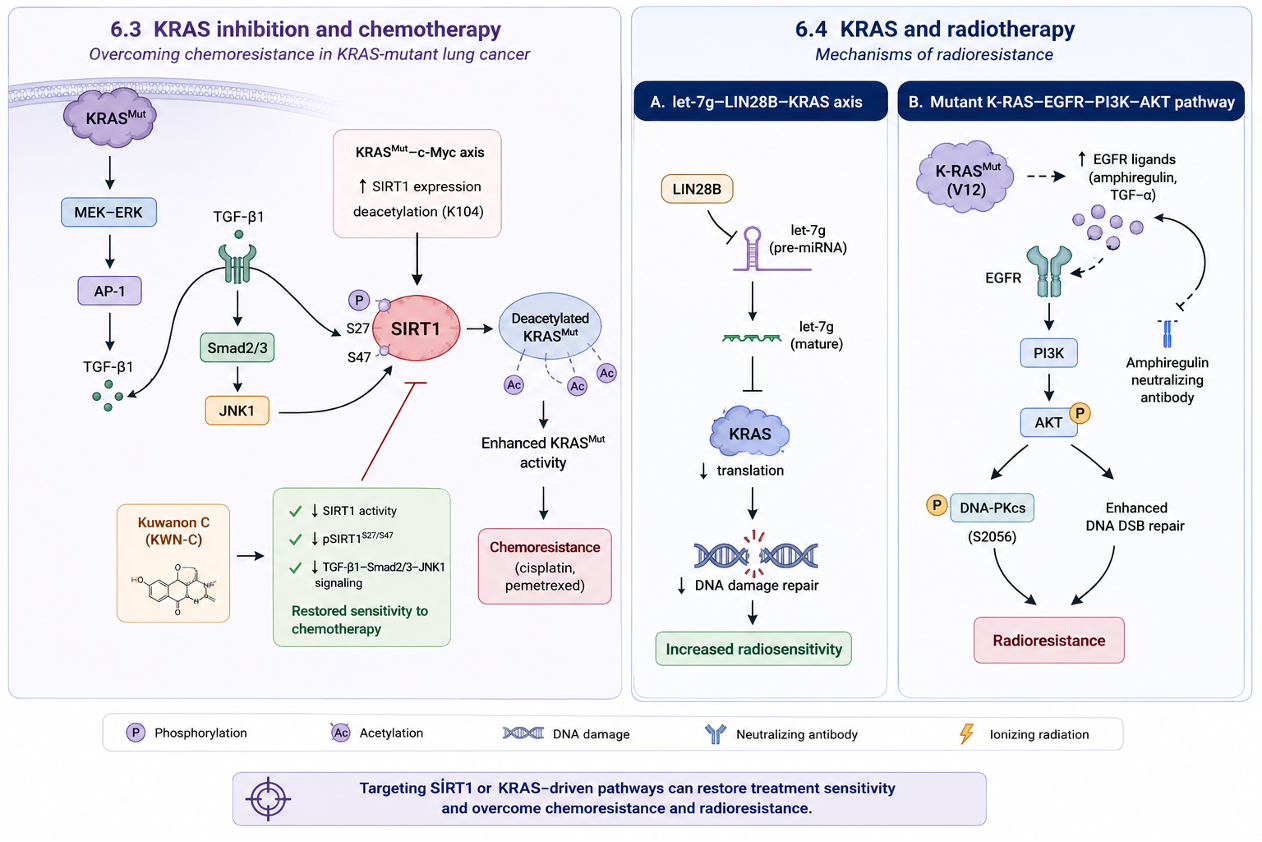
KRAS-mutant lung cancers frequently exhibit poor clinical outcomes and reduced responsiveness to conventional systemic therapies. SIRT1 is activated by the KRAS-mutant-c-Myc axis and is continuously deacetylated at lysine 104, thereby enhancing KRAS-mutant activity and promoting chemoresistance. The quantity and enzymatic activity of SIRT1 are higher in KRAS-mutant cells than in EGFR-mutant, double-negative, or non-tumorigenic cells. KRAS-mutant-driven MEK-ERK signaling mechanistically enhances AP-1 transcription, increasing TGF-β1 secretion; TGF-β1 then activates Smad2/3-JNK1 in an autocrine loop, thereby increasing SIRT1 phosphorylation at S27 and S47, augmenting SIRT1 activity, promoting KRAS deacetylation, and strengthening chemoresistance. Kuwanon C (KWN-C), a natural-product small molecule, decreases SIRT1 activity, diminishes pSIRT1S27/S47 by attenuating TGF-β1-Smad2/3-JNK1 signaling, and reinstates sensitivity to cisplatin and pemetrexed in human lung cancer cells, orthotopic lung tumors, and a spontaneous KRAS-mutant lung cancer model. These findings delineate a KRAS-MEK/ERK-AP-1/TGF-β1/Smad2/3-JNK1/SIRT1 pathway that modulates SIRT1 activity and support SIRT1 inhibition as an adjunctive strategy to overcome chemoresistance in KRAS-mutant lung cancer (32).
Collectively, these findings identify SIRT1 as a downstream effector of KRAS-driven chemoresistance and underscore the role of adaptive signaling networks in maintaining treatment tolerance. However, the therapeutic potential of SIRT1 inhibition remains largely supported by preclinical evidence, and further studies are needed to determine whether these observations translate into clinically meaningful improvements in treatment response. Beyond chemotherapy resistance, KRAS signaling also influences responses to radiotherapy by regulating DNA repair pathways, growth factor signaling, and cellular stress responses, thereby further contributing to therapeutic resistance in KRAS-driven malignancies.
KRAS Signaling and Radiotherapy Response
Resistance to radiotherapy is a major therapeutic challenge in KRAS-driven cancers. Emerging evidence indicates that oncogenic KRAS can influence radiation responsiveness through multiple mechanisms, including regulation of DNA damage repair, growth factor signaling, cell survival pathways, and non-coding RNA networks.
Differential microRNA profiling in lung cancer cells with diverse responses to ionizing radiation revealed that 27 of 328 microRNAs were differentially expressed between the NCI-H460 and NCI-H1299 cell lines. Radioresistant H1299 cells had reduced let-7g expression, whereas radio-sensitive cells (Caski, H460, ME180) displayed elevated let-7g levels compared with radio-resistant cells (A549, H1299, DLD1, HeLa), as determined by qRT-PCR. Induced expression of let-7g in H1299 inhibited KRAS translation and enhanced susceptibility to ionizing radiation. Inhibition of LIN28B, an upstream suppressor of let-7g maturation, elevated mature let-7g levels in H1299 and correspondingly increased radiosensitivity.
These observations indicate that LIN28B influences radiation response by inhibiting let-7g processing, thereby increasing KRAS translation (33). KRAS(V12) overexpression induces radioresistance by activating autocrine EGFR signaling, thereby promoting the PI3K-AKT pathway and accelerating DNA double-strand break repair. In FaDu head-and-neck cancer cells, KRAS(V12) increased the production of EGFR ligands, particularly amphiregulin and TGF-α. Conditioned media from these cells improved post-irradiation survival and AKT activation in parental cells, benefits that were negated by an amphiregulin-neutralizing antibody. KRAS(V12) significantly increased radiation-induced phosphorylation of DNA-PKcs at S2056, which correlated with accelerated DSB repair. Inhibiting amphiregulin diminished DNA-PKcs activation. Constitutive synthesis of EGFR ligands, particularly amphiregulin, links mutant KRAS with augmented EGFR-PI3K-AKT signaling and DNA repair, establishing a molecular foundation for tumor radioresistance (34).
Collectively, these studies suggest that KRAS contributes to radioresistance by coordinating DNA repair capacity and pro-survival signaling pathways. Notably, both the LIN28B/let-7g/KRAS axis and KRAS-dependent EGFR-PI3K-AKT signaling converge on mechanisms that enhance cellular recovery after radiation-induced damage. However, the current evidence remains largely preclinical, and the extent to which these pathways can be therapeutically exploited to improve radiosensitivity in patients with KRAS-mutant tumors remains incompletely defined.
Table 1 summarizes landmark studies defining the biological and therapeutic consequences of KRAS signaling, whereas Figure 3 illustrates KRAS's role in treatment response, resistance mechanisms, and therapeutic targeting in the context of chemotherapy and radiotherapy.
Beyond its effects on metabolism, cell survival, and treatment resistance, KRAS exerts profound influences on anti-tumor immunity. These immunologic consequences increasingly shape both therapeutic responsiveness and resistance mechanisms in KRAS-driven malignancies (Table 1).
Table 1. Landmark studies defining KRAS biology and therapeutic vulnerabilities.
| Study | Representative finding | Translational implication | Ref |
|---|---|---|---|
| KRAS/p53 cooperation | Oncogenic KRAS and p53 loss synergistically drive tumor initiation and progression. | Supports combined targeting of oncogenic and tumor-suppressor pathways. | (35) |
| SHP2 dependency | SHP2 sustains KRAS-MAPK signaling and contributes to adaptive resistance. | SHP2 inhibitors represent promising combination partners with KRAS or MEK inhibitors. | (36) |
| KRAS isoform-specific signaling | KRAS and NRAS exert distinct effects on proliferation, differentiation, and survival in colorectal cancer. | Highlights the need for isoform-specific therapeutic strategies. | (37) |
| KRAS-driven epigenetic reprogramming | KRAS co-opts lineage-specific enhancer networks to maintain oncogenic transcriptional states. | Identifies epigenetic regulators as potential therapeutic targets. | (38) |
| Targeted KRAS degradation | Selective KRAS degradation suppresses the growth of KRAS-mutant tumors. | Supports development of KRAS-directed proteolysis approaches. | (39) |
| SHP2-driven resistance mechanisms | SHP2 is required for sustained RAS-MAPK signaling and adaptive resistance to MEK inhibition. | Supports combined SHP2 and MEK targeting strategies. | (40) |
| Allele- and tissue-specific KRAS biology | KRAS mutation variants exhibit distinct tissue distributions, co-mutations, and signaling dependencies. | Enables allele-specific precision oncology strategies. | (41) |
| KRAS metabolic rewiring | KRAS promotes nucleotide biosynthesis through activation of the non-oxidative pentose phosphate pathway. | Reveals metabolic vulnerabilities in KRAS-driven cancers. | (42) |
| KRAS-independent adaptation | KRAS loss can trigger compensatory PI3K signaling and alternative. | Provides a potential mechanism of resistance to KRAS-targeted therapy. | (43) |
| KRAS(G12C) inhibition | Direct KRAS(G12C) blockade induces tumor regression and promotes a pro-inflammatory microenvironment. | Supports combination strategies with immune checkpoint blockade. | (44) |
| Pan-KRAS inhibition | Inactive-state KRAS inhibitors suppress signaling across multiple KRAS mutant variants. | Expands therapeutic opportunities beyond KRAS(G12C). | (45) |
| KRAS dosage effects | Increased mutant KRAS dosage promotes tumor initiation, metastasis, and aggressive phenotypes. | Mutant allele dosage may serve as a prognostic biomarker and therapeutic determinant. | (46) |
| KRAS-driven metabolic fitness | KRAS copy gain enhances glycolytic and antioxidant metabolism. | Defines metabolically targetable subsets of aggressive tumors. | (47) |
| Synthetic lethal vulnerabilities | Combined PLK1 and ROCK inhibition selectively impairs KRAS-mutant tumor growth. | Demonstrates a druggable synthetic lethal strategy for KRAS-driven cancers. | (48) |
5. KRAS as a Regulator of Tumor Immunity and Immunotherapy Response.
Mechanisms of KRAS-Driven Immune Evasion and Therapeutic Vulnerabilities.
Oncogenic KRAS diminishes antitumor immunity, and integrating KRAS inhibitors with immunotherapies has proven difficult. Elucidating the mechanisms by which KRAS facilitates immune evasion may provide strategies to enhance the responsiveness of KRAS-mutant lung tumors to immunotherapy. In vivo CRISPR-Cas9 screening in an immunogenic murine lung cancer model identified routes by which KRAS promotes immune evasion, notably through the overexpression of cyclooxygenase-2 (COX-2) in cancer cells. KRAS activation significantly increased COX-2 levels in both murine and human lung cancers, whereas KRAS inhibition reduced COX-2 expression. COX-2 mediated resistance to immune checkpoint blockade (ICB) in lung adenocarcinoma via prostaglandin E2 (PGE2). Pharmacological inhibition of the COX-2/PGE2 pathway reconfigured the TME by promoting pro-inflammatory states in myeloid cells and augmenting the infiltration of activated cytotoxic CD8+ T cells, thereby improving the effectiveness of immune checkpoint blockade. The resurgence of COX-2 expression facilitated tumor recurrence during extended KRAS inhibition. The data support further investigation of COX-2/PGE2 pathway inhibition as a strategy to augment responses to KRASG12C-targeted therapy and immune checkpoint blockade in KRAS-mutant lung cancer (49).
KRAS mutations modify the TME to facilitate immune evasion, metastasis, and treatment resistance by altering tumor-intrinsic mechanisms and coordinating immunosuppressive cells (TAMs, MDSCs, Tregs, neutrophils). Mechanisms include PD-L1 upregulation via KRAS-MEK/ERK signaling and stabilization of PD-L1 mRNA; diminished antigen presentation through MHC I downregulation (KRAS G13D in CRC); and secretion of cytokines/chemokines (IL-10, TGF-β1, GM-CSF, CXCL3) that attract and polarize suppressive myeloid and T-cell populations. KRAS co-alterations (with MYC, TP53, STK11/LKB1) further influence PD-L1, reduce effector lymphocytes, and establish resistance niches. Clinically, about 30% of patients respond to immune checkpoint blockade (ICB), with response variability based on TME phenotype (inflamed, excluded, desert). Hence, combination strategies involving chemotherapy, radiotherapy, and antiangiogenic therapies with immune checkpoint inhibitors (ICIs) are extensively investigated and often outperform monotherapy. KRAS G12C inhibitors (sotorasib/AMG-510, adagrasib/MRTX849, ARS-853, ARS-1620, and MRTX1257) can elicit a more pro-inflammatory TME characterized by increased dendritic cells, macrophages, and CD8+ T-cell infiltration, thereby demonstrating augmented efficacy when combined with anti-PD-1 therapy.
However, the prevalence of KRAS G12C varies by tumor type, and other KRAS variants remain an unmet medical need. KRAS-targeted immunotherapies are increasingly explored beyond checkpoint inhibition: TCR-engineered cells targeting KRAS neoantigens (G12D, G12V, particularly in specific HLA contexts) show preclinical efficacy and initial clinical tumor regressions; mRNA vaccines encoding KRAS mutant peptides stimulate antigen-specific T cells and, when combined with PD-1 inhibition, have yielded responses in preliminary studies (ELI-002 and mRNA-5671/V941 programs). KRAS-driven immune modulation, encompassing PD-L1/MHC I regulation, myeloid recruitment, and co-mutation effects, significantly impacts immune checkpoint blockade (ICB) outcomes and supports strategic combinations (ICIs with chemotherapy, radiation, antiangiogenics, or KRAS-targeted therapies) and antigen-specific strategies (TCRs, vaccines) to re-sensitize less-immunogenic tumors and enhance response durability (50).
Oncogenic KRAS remodels the TME to promote immune evasion by activating inflammatory and immunosuppressive pathways: NF-κB, RAF/MAPK, and PI3K signaling enhance production of cytokines and chemokines (TNF-α, IL-1/6, CXCL1/2/5/8) and stimulate IL-10, TGF-β, and GM-CSF, which support Tregs, MDSCs, TAMs, and other cells that inhibit CD8+/NK cell cytotoxicity. KRAS enhances PD-L1 expression via AP-1/STAT3, ERK, PI3K-AKT-mTOR, and MEK-TTP-mediated mRNA stabilization, generally facilitating immune suppression and affecting ICI responses, with significantly stronger correlations in lung cancer than in CRC. Supplementary pathways include induction of Tregs through IL-10/TGF-β, downregulation of MHC-I to hinder antigen recognition, and recruitment of MDSCs (via GM-CSF); in CRC, KRAS-mediated suppression of IRF2 enhances CXCL3-CXCR2 signaling to attract MDSCs, whereas restoring IRF2 enhances sensitivity to anti-PD-1 therapy. Therapeutic combinations of oncogenic pathway inhibitors with immunotherapy show promise, such as the KRAS G12C inhibitor AMG-510 in conjunction with anti-PD-1, and trametinib paired with CDK4/6 inhibition, which induces RB-dependent senescence/SASP to improve drug delivery and T-cell infiltration. Co-mutations influence outcomes: KRAS in conjunction with MYC or TP53 often enhances PD-L1 expression and T-cell infiltration, generally resulting in improved outcomes with PD-1 blockade. Conversely, KRAS paired with STK11/LKB1 induces primary resistance through STING suppression, reduced type I interferon/chemokines, neutrophil skewing, and decreased PD-L1 levels. KRAS facilitates complex immune suppression while simultaneously presenting combinatorial treatment options that integrate KRAS-pathway targeting with immunomodulation (51).
Oncogenic KRAS is increasingly recognized as a key regulator of the tumor immune landscape, necessitating a paradigm shift from viewing it solely as a proliferative driver to recognizing it as a dynamic modulator of immune evasion. Future therapeutic success may depend on moving beyond binary combinations of KRAS inhibitors and checkpoint blockade, which are often undermined by adaptive resistance mechanisms such as COX-2 rebound and myeloid suppression. Instead, precision medicine must guide combinatorial strategies tailored to co-mutation profiles, particularly distinguishing the cold microenvironments of STK11/LKB1 loss from the inflamed phenotypes of TP53 co-alterations. Emerging evidence points to promising directions, including multimodal regimens that simultaneously target oncogenic signaling, neutralize immunosuppressive metabolites such as PGE2, and deploy antigen-specific modalities, including mRNA vaccines and TCR-engineered cells. Ultimately, durable responses will require reconfiguring the TME to sustain T-cell infiltration while preventing the resurgence of evasion pathways during KRAS-targeted therapy.
Although the mechanisms described above vary across tumor types, most KRAS-driven immune-evasion programs converge on three recurring biological themes: impaired antigen presentation, expansion of immunosuppressive myeloid populations, and establishment of cytokine networks that suppress cytotoxic lymphocyte activity. This convergence suggests that successful therapeutic strategies may require simultaneous targeting of both tumor-intrinsic KRAS signaling and the broader immunosuppressive ecosystem it creates.
Emerging evidence suggests that KRAS-driven immune evasion should be viewed not as a collection of isolated mechanisms but as an integrated adaptive network that coordinates tumor-intrinsic signaling with microenvironmental remodeling. Across multiple tumor types, oncogenic KRAS simultaneously suppresses antigen presentation, recruits immunosuppressive myeloid populations, enhances expression of inhibitory immune checkpoints, and reprograms cytokine and metabolic circuits, collectively impairing cytotoxic lymphocyte activity. Importantly, these effects are further shaped by co-occurring genomic alterations, particularly TP53, STK11/LKB1, and KEAP1 mutations, which can profoundly influence immune composition and therapeutic responsiveness. This emerging framework helps explain why single-agent immunotherapies often yield incomplete or transient responses in KRAS-mutant malignancies and supports the development of multi-layered therapeutic strategies that combine KRAS inhibition with immune checkpoint blockade, myeloid-targeting approaches, cytokine modulation, and antigen-directed therapies to overcome adaptive resistance and restore durable antitumor immunity. Together, these observations establish KRAS-driven immune evasion as a major determinant of responsiveness to contemporary cancer immunotherapy.
Preclinical Models for Enhancing Immunogenicity in KRAS-Mutant Tumors.
Oncogenic mutations in KRAS and EGFR account for a significant proportion of lung malignancies. Targeted inhibitors induce tumor regression but rarely result in cures, prompting interest in combining targeted therapies with other modalities, including immunotherapy. Preclinical systems for investigating tumor-immune interactions in lung cancer are limited, largely because genetically altered mouse models often exhibit a low tumor mutational load. To address this deficiency, mouse models of KRAS-mutant lung cancer were engineered to express the human DNA cytosine deaminase APOBEC3B, with the aim of emulating human-like mutational signatures and increasing mutational load. This approach did not significantly increase clonal tumor mutational load, and spontaneous tumors continued to resist immunotherapy. By contrast, deriving clonal cell lines from these tumors enabled the establishment of an immunogenic syngeneic transplant model of KRAS-mutant lung adenocarcinoma that responded to immunotherapy. The antitumor immune response unexpectedly targeted derepressed endogenous retroviral antigens rather than traditional neoantigens. The tumor-regressing effects of KRAS G12C inhibitors were significantly enhanced by a functional adaptive immune system, underscoring the need for immunocompetent models to evaluate targeted treatments. The resulting model provides a unique framework for assessing combinations of targeted treatments and immunotherapies in immune-active lung cancer (52).
Non-small-cell lung cancer (NSCLC), including adenocarcinoma (AD) and squamous cell carcinoma, remains a leading cause of cancer-related death. Lung adenocarcinoma (LUAD) now benefits from numerous targeted treatments and, more recently, immunotherapies. An analysis of a real-world LUAD cohort, in conjunction with TCGA-LUAD, investigated mutations in 41 genes and the expression of 94 genes associated with immunological checkpoints, inflammation, and the stromal environment. Although panel-based evaluation revealed a minimal surrogate mutational load, 31 genes exhibited substantial dysregulation in tumors compared with normal tissue. Unsupervised clustering of these genes grouped tumors into two clusters with differing rates of actionable changes, including one enriched for KRAS mutations. In silico microenvironment deconvolution (TIMER) revealed reduced B-cell infiltration in the KRAS-enriched cluster, a trend previously noted in TCGA-LUAD and corroborated by immunohistochemistry in a separate cohort. In TCGA-LUAD, decreased B-cell infiltration was associated with reduced overall survival, whereas the KRAS-enriched cluster in the real-world cohort was associated with unfavorable outcomes. KRAS-driven LUAD, often resistant to pharmacological intervention, is associated with reduced B-cell infiltration, supporting the enhancement of immunotherapeutic approaches for patients with KRAS mutations (53).
A PDAC mouse model featuring oncogenic Kras and an exocrine-specific deletion of the Rnf43 catalytic domain (KRC) was created, confirming RNF43 as a tumor suppressor: KRC animals exhibited a higher incidence of high-grade cystic lesions and PDAC than Kras-only controls (KC) and showed markedly reduced survival. Single-cell RNA sequencing revealed that KRC tumor growth was associated with fewer macrophages and more T and B lymphocytes, alongside heightened immune-checkpoint expression and B-cell affinity maturation, in contrast to the immunological milieu observed in Kras/Tp53 (KPC) mice. CXCL5 expression was particularly reduced in KRC cancer cells via epigenetic regulation, positioning it as a potential modulator of this immunological environment. A unique RNF43-mutant PDAC ecology was identified, justifying the exploration of immunotherapy in this subgroup (54).
These studies highlight a critical bottleneck in translational KRAS research: conventional preclinical models inadequately recapitulate the human immune contexture. A key implication is that immune-mediated regression may depend on endogenous retroviral antigens rather than canonical neoantigens, suggesting that future therapeutic vaccines and adoptive cell therapies must broaden their antigenic scope beyond mutation-specific targets. Furthermore, the consistent association between KRAS mutations and reduced B-cell infiltration across lung and pancreatic models suggests that B-cell function is a neglected determinant of survival, warranting a strategic shift from an exclusive T-cell focus to a holistic engagement of the lymphoid system. Moving forward, developing genetically refined, immunocompetent models that accurately mirror human mutational burdens and specific co-alterations, such as RNF43 loss, will be essential for de-risking combination trials. Differences between experimental models and human tumors continue to complicate translation. Factors such as mutational burden, antigenic diversity, stromal architecture, and species-specific immune biology may substantially influence therapeutic responses and should be considered when interpreting preclinical findings. Ultimately, improving the translational relevance of preclinical models will likely require platforms that not only validate KRAS inhibitors but also optimize TME immunogenicity through precise genetic and immunological engineering, ensuring that preclinical efficacy translates into durable clinical benefit.
Mucinous Lung Adenocarcinoma and Other Immunologically Cold KRAS-Mutant Subtypes.
Approximately 10% of LUADs exhibit mucinous histology (LUADMuc), a subtype associated with minimal or no smoking and prevalent KRAS mutations. A comprehensive comparison across five institutions and TCGA-categorized tumors as mucinous LUAD versus non-mucinous LUAD examined clinicopathologic, genomic, immunologic, and transcriptomic characteristics, as well as treatment outcomes. LUADMuc constituted 9.9% of 4,082 cases and, compared with non-mucinous disease, exhibited reduced PD-L1 expression (median 0% versus 5%), a lower tumor mutation burden (6.8 versus 8.5 muts/Mb), and enrichment of mutations in KRAS, NKX2-1/TTF-1, STK11, SMARCA4, and GNAS, as well as ALK rearrangements (while TP53, EGFR, BRAF, and MET were more prevalent in non-mucinous cases). Additionally, it showed fewer intratumoral CD8⁺, PD-1⁺, CD8⁺PD-1⁺, and FOXP3⁺ cells, a higher incidence of contralateral lung metastases (55.2% versus 36.9%), and a lower occurrence of brain metastases (23.3% versus 41.9%) at stage IV. In patients with metastatic disease treated with ICIs, mucinous lung adenocarcinoma (LUADMuc) had significantly worse outcomes than non-mucinous LUAD, with a lower overall response rate (ORR) (8.4% vs 25.9%), shorter median progression-free survival (PFS) (2.6 vs 3.9 months), and reduced OS (9.9 vs 17.2 months), as well as equally suboptimal results with chemo-immunotherapy. KRAS G12C inhibitors had similar response rates in LUADMuc and non-mucinous LUAD (16.7% vs 34.9%) and PFS (4.6 vs 5.6 months), although LUADMuc had a lower OS (6.8 vs 10.8 months). LUADMuc is identified as a physiologically distinct, immune-cold subgroup of LUAD associated with worse outcomes with existing immunotherapy (55).
ICIs are the standard treatment for advanced NSCLC, although the efficacy of monotherapy or chemo-immunotherapy depends on genetic alterations, notably in KRAS, STK11, and KEAP1. KEAP1 regulates responses to oxidative and electrophilic stress, whereas STK11 encodes a kinase that modulates growth, polarity, motility, differentiation, and metabolism; STK11 mutations are often associated with an immunologically "cold" TME. When STK11 or KEAP1 abnormalities coexist with KRAS mutations, the TME differs from that seen with each alteration alone, and retrospective trial analyses consistently indicate a worse prognosis irrespective of therapy. This subgroup, despite poorer outcomes, constitutes a significant proportion of patients with advanced NSCLC and should remain a treatment priority. Clinical findings indicate that dual ICI regimens (anti-PD-1 and anti-CTLA-4) in conjunction with chemotherapy may outperform single-agent immunotherapy or chemotherapy alone in these patients. Current data provide biological justification and clinical support for combination therapies, underscoring the need for prospective studies that specifically assess effectiveness in KRAS/STK11/KEAP1-Mutant NSCLC (56).
Combination Immunotherapy and KRAS-Targeted Therapeutic Strategies.
Oncolytic virus (OV) immunotherapy alone has shown limited efficacy; newly identified small-molecule inhibitors targeting KRAS G12C have significant anticancer potency. Integrating a robust OV with a KRAS G12C inhibitor is a promising approach. In vitro, KRAS G12C inhibitors (sotorasib/AMG-510, adagrasib/MRTX849, and MRTX1257) specifically eliminated KRAS G12C-mutant cancer cells while sparing KRAS-wild-type cells. In vivo, all three inhibitors inhibited KRAS G12C Lewis lung cancers but not KRAS-wild-type MC38 tumors. In two KRAS G12C models, either an IL-36γ-armed oncolytic virus or oral MRTX1257 inhibited tumor growth, but their combination was significantly more efficacious; adding PD-1 blockade further enhanced antitumor activity, resulting in complete remissions in numerous mice, despite no statistically significant difference in survival rates. Mechanistic profiling (flow cytometry, ELISpot, and immune cell depletion) showed that KRAS G12C inhibitors act as inducers of anticancer immunity and synergize with OV to elicit strong innate and adaptive, tumor-specific responses. The therapeutic advantage was driven primarily by the proliferation of tumor-specific CD8+ cytotoxic T cells, with auxiliary contributions from CD4+ T cells and NK cells. A triple combination of KRAS G12C inhibition, OV treatment, and PD-1 blockade demonstrates significant immune-mediated effectiveness in KRAS G12C malignancies (57).
Evidence suggests that patients with KRAS mutations may benefit from immunotherapy, as shown in trials such as KEYNOTE-042, which reported higher ICI response rates than in KRAS wild-type patients. Additionally, randomized data in PD-L1-positive NSCLC showed prolonged PFS with pembrolizumab versus chemotherapy (10.3 months versus 6.0 months), although PD-L1-negative and low-positive cohorts showed less benefit. Combination strategies often outperform monotherapy: in advanced KRAS-mutant NSCLC, chemo-immunotherapy surpasses monotherapy, and FDA-endorsed evaluations support integrating chemotherapy with ICIs. However, a phase II trial in metastatic PDAC found no survival benefit from adding dual checkpoint blockade to chemotherapy, underscoring variability across disease contexts. Emerging targeted-ICI combinations include KRAS G12C inhibitors (sotorasib, adagrasib), which demonstrate efficacy, with a median OS of about 15.7 months in preliminary studies, though they are associated with significant toxicities and are limited to G12C malignancies. Further strategies under investigation include PARP inhibitor-ICI maintenance (olaparib or selumetinib combined with durvalumab in PDAC) and MEK inhibitor-based protocols. In KRAS-mutant pancreatic cancer, a trial combining pembrolizumab with trametinib and SBRT demonstrated a median OS of about 24.9 months, compared with 22.4 months with SBRT plus gemcitabine.
In general, ICIs are advantageous in several KRAS-mutant contexts, particularly in NSCLC, with combination therapies (chemotherapy, KRAS G12C inhibitors, PARP inhibitors, or MEK inhibitors) showing further potential, though benefits vary by tumor type, mutation subtype, and safety profile (58). In K-ras-driven, PD-L1-high malignancies, gemcitabine and cisplatin have contrasting effects when combined with PD-1 inhibition. In various in vitro assays, syngeneic mouse models, and human tumor specimens, gemcitabine diminished the efficacy of anti-PD-1 antibodies by inhibiting CD8+ T-cell infiltration, whereas cisplatin enhanced the effects of PD-1 antibodies by activating the DNA-damage-cGAS-STING pathway, thereby increasing CD8+ T-cell infiltration and antitumor cytokine production. Cisplatin combined with toripalimab demonstrated efficacy in advanced KRAS-mutant lung cancer after prior treatment failures. Chemotherapy selection for immunochemotherapy should emphasize drugs that augment T-cell activity, thereby supporting cisplatin-based combinations with PD-1/PD-L1 inhibitors (59).
Elevated ERβ/HER oncogenic signaling characterizes aggressive lung cancers. Previous research indicated that the combination of the anti-estrogen fulvestrant and the pan-HER inhibitor dacomitinib interferes with ER/HER crosstalk and produces synergistic antitumor effects in immunocompromised lung cancer models, including KRAS-mutant adenocarcinoma; however, the impact on the TME was not elucidated. The effect of the combination was evaluated in murine bone marrow-derived macrophages (BMDMs) and CD8+ T cells and examined in vivo using the KRAS-mutant syngeneic lung cancer model FVBW-17. While fulvestrant combined with dacomitinib effectively inhibited FVBW-17 cell proliferation, the treatment elicited adverse immune responses, including decreased CD8+ T-cell activity, impaired BMDM phagocytosis, and upregulation of PD-1, primarily due to dacomitinib-induced downregulation of Src family kinases and Syk in immune cells. In a subcutaneous flank model, the combination produced an inflammatory TME marked by elevated myeloid and CD8+ T-cell infiltration, along with enhanced PD-1 expression in the spleen. The contemporaneous administration of anti-PD-1 with fulvestrant/dacomitinib enhanced efficacy compared with the doublet alone, whereas the sequential introduction of anti-PD-1 after the doublet yielded a synergistic advantage, approximately doubling tumor growth suppression relative to simultaneous therapy in both flank- and lung-metastasis models. These findings support sequential triple therapy as a viable approach for lung malignancies with poor response to existing therapies, such as KRAS-mutant LUAD (60).
Immune checkpoint inhibitors targeting PD-1/PD-L1 enhance survival in KRAS-mutant NSCLC, a cohort that has traditionally had unfavorable outcomes in the absence of effective targeted therapies, yet the relationship between KRAS mutations and antitumor immunity remains unclear. An integrated study of public datasets and clinical cohorts investigated the correlation between KRAS status and immunity-related characteristics, including PD-L1 expression, CD8+ tumor-infiltrating lymphocytes (TILs), and tumor mutational burden (TMB). Research demonstrates that KRAS mutations are linked to an inflammatory, immunogenic TME and are associated with enhanced responses to PD-1/PD-L1 blockade; a three-pool study further substantiates significant therapeutic advantages for KRAS-mutant NSCLC undergoing anti-PD-1/PD-L1 treatment. In a KRAS-mutant lung cancer murine model, anti-PD-L1 monotherapy and its combination with docetaxel were evaluated against docetaxel monotherapy; significantly, the addition of docetaxel to PD-L1 inhibition did not improve antitumor efficacy. PD-1/PD-L1 monotherapy appears to be a potentially superior approach for NSCLC with KRAS mutations (61).
Classifying KRAS-mutant lung cancer into distinct immunological subtypes, particularly the immune-cold phenotype of mucinous adenocarcinoma and STK11/KEAP1-co-mutated tumors, challenges the notion that KRAS status alone is a uniform predictor of immunotherapy responsiveness. In my assessment, future clinical frameworks must move beyond broad stratification based solely on KRAS status and instead integrate histological and genomic profiling to identify patients who require immune-priming strategies before checkpoint blockade. Poor outcomes in mucinous subsets suggest that standard ICI regimens are insufficient for these biologically distinct entities, necessitating targeted interventions that reverse the immunosuppressive architecture driven by these co-alterations. Consequently, prioritizing biomarkers beyond PD-L1 and TMB, such as specific histological subtypes and co-mutation signatures, will be essential to prevent the misallocation of immunotherapies to patients inherently resistant to current standards of care.
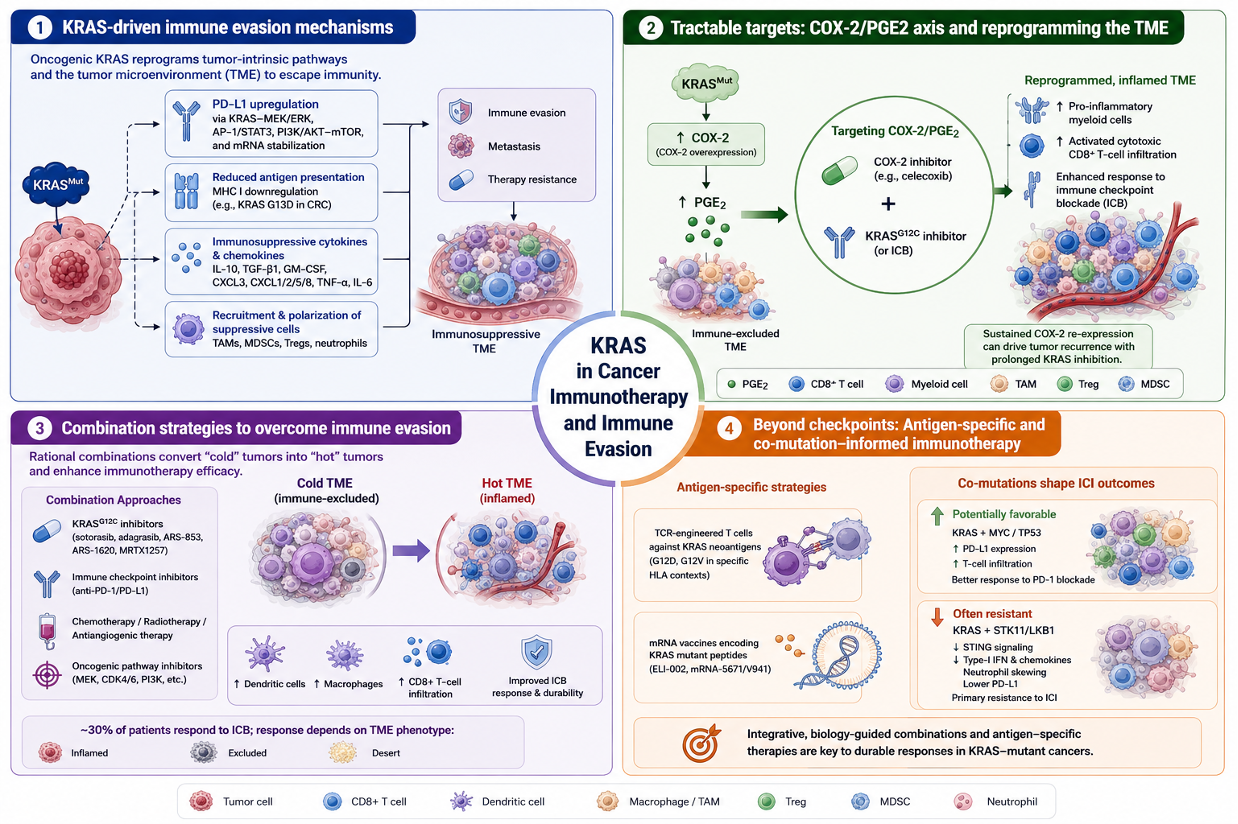
These findings underscore that effective combination strategies require more than the accumulation of therapeutic agents; they depend critically on mechanistic alignment and optimal temporal sequencing. The contrasting effects of cisplatin and gemcitabine on T-cell infiltration highlight that chemotherapy selection must be guided by immunomodulatory potential rather than cytotoxicity alone, favoring regimens that activate pathways such as cGAS-STING. Furthermore, the superior efficacy of sequential over simultaneous administration, when combined with targeted therapies, suggests that overcoming adaptive resistance requires careful timing to avoid antagonistic immunosuppression. Looking forward, the most promising avenue lies in rational triple-combination strategies, such as oncolytic viruses paired with KRAS inhibitors and ICIs, which can simultaneously target tumor cells and reconfigure the microenvironment. Future development should focus on optimizing these synergistic triads and establishing precise sequencing protocols to maximize immune engagement while minimizing toxicity (Figure 4).
Immunotherapeutic Opportunities in KRAS-Mutant Pancreatic Cancer.
PDAC is projected to become the second-leading cause of cancer mortality by 2030, owing to high rates of recurrence and metastasis, even after seemingly limited diagnoses. KRAS mutations, present in approximately 90-95% of PDAC cases, enhance cellular proliferation, limit apoptosis, and promote immunosuppression, prompting interest in how individual codon variants influence biological behavior and therapeutic response in the context of novel KRAS inhibitors. In a neoadjuvant/adjuvant immunotherapy platform study (NCT02451982), IL-8 levels (measured by ELISA) were evaluated alongside next-generation sequencing of KRAS status, multiplex immunohistochemistry of the TME, and clinical outcomes in 30 patients treated with GVAX alone (n=16) or GVAX in combination with anti-PD-1 (nivolumab; n=14). Twenty-six tumors harbored KRAS mutations (G12C=1, G12D=11, G12R=4, G12V=10), whereas four were classified as KRAS wild-type. The G12D subtype was associated with reduced disease-free survival (P=0.01) and showed a trend toward inferior OS across therapy groups (GVAX P=0.14; GVAX+anti-PD-1 P=0.17), which became statistically significant when the groups were aggregated (P=0.04). KRAS-mutant PDAC showed a trend toward lower CD8+ T-cell infiltration after GVAX compared with wild-type (P=0.06); in conjunction with anti-PD-1, G12D tumors had a reduced CD8+ GZMB⁺/total CD8+ ratio (P=0.005). KRAS G12D delineates a physiologically distinct subpopulation of PDAC associated with worse survival and reduced CD8+ T-cell activation after GVAX/anti-PD-1 immunotherapy (62).
Multiple trials are investigating combination strategies to improve immune checkpoint blockade (ICB), yet effective ICB-based therapies and biomarkers remain absent in PDAC. A body of research implicates the small GTPase ARF6 and its effector AMAP1 (ASAP1/DDEF1) as often overexpressed in several malignancies, including PDAC, and as significantly associated with poor survival outcomes. The ARF6-AMAP1 pathway facilitates invasion and immune evasion by enhancing β1-integrin and PD-L1 expression and reducing E-cadherin levels following ligand-induced ARF6 activation. It also worsens PDAC-related fibrosis, which impairs ICB effectiveness. KRAS mutations, common in PDAC, induce abnormal overexpression of ARF6/AMAP1 through increased eIF4A-dependent translation of ARF6 mRNA and eIF4E-dependent translation of AMAP1 mRNA. MYC overexpression is an additional driver of malignancy; MYC mRNA is modulated by eIF4A and, like ARF6, is inhibited by the eIF4A inhibitor silvestrol.
In a KPC mouse model (LSL-KRAS G12D/+; LSL-Trp53 R172H/+; Pdx-1-Cre), shRNA-mediated inhibition of ARF6-AMAP1 in cancer cells yielded therapeutic synergy with anti-PD-1 in vivo, whereas silvestrol enhanced the effectiveness of anti-PD-1 despite promoting tumor development as a monotherapy. Silvestrol's ability to selectively inhibit ARF6 and MYC overexpression in KRAS-mutant cells, but not in KRAS-wild-type cells, is significant given the crucial roles of ARF6 and MYC in normal cellular function. Targeting eIF4A, in conjunction with KRAS-mutant status, offers a strategy to enhance the efficacy of anti-PD-1 and related immune checkpoint blockade in PDAC, with ARF6/AMAP1 overexpression and KRAS mutations serving as potential biomarkers for identifying receptive cases; similar approaches may be applicable to other KRAS-mutant malignancies (63).
KRAS inhibitors can elicit robust preclinical and clinical results; however, resistance develops rapidly. Researchers investigated how KRAS-targeted treatments alter the TME in a library of KRAS G12D, p53-mutant murine PDAC cell lines (KPCY) to guide the development of durable immunotherapy combinations. The combination of SOS1 and MEK inhibition (SOS1i+MEKi) reduced tumor growth in syngeneic animals and increased intratumoral CD8+ T cells, but did not achieve sustained control. Single-cell RNA sequencing revealed an increase in inflammatory cancer-associated fibroblasts (iCAFs) and M2 macrophages, accompanied by a decline in dendritic cell quality, resulting in an IL-6⁺ iCAF-mediated immunosuppressive environment. CD40 agonist treatment repolarized macrophages and mitigated the deficiency in mature antigen-presenting dendritic cells following inhibition of SOS1 and MEK, thereby enhancing OS in KPCY tumor-bearing mice. Incorporating checkpoint blockade with SOS1 and MEK inhibitors resulted in tumor-free outcomes accompanied by the development of immune memory. Inhibition of the KRAS pathway modulates myeloid maturation, thereby supporting combination strategies that integrate KRAS-targeted drugs with myeloid activation to enhance and prolong anticancer efficacy (64).
KRAS mutations are essential oncogenic drivers, with KRAS G12V the most prevalent in solid tumors, including pancreatic and colorectal malignancies. This makes KRAS G12V-specific TCR-engineered T cells a promising therapeutic strategy. Previous research has shown that T cell receptors (TCRs) from tumor-infiltrating lymphocytes can recognize KRAS G12V neoantigens presented by specific HLA types and facilitate tumor eradication both in vitro and in vivo. However, HLA restriction, coupled with variations in HLA distribution across populations, limits their widespread applicability in Chinese patients. A KRAS G12V-specific T cell receptor (TCR) targeting the class II major histocompatibility complex (MHC) was isolated from a CRC patient. KRAS G12V-specific TCR-engineered CD4⁺ T cells demonstrated robust activity in vitro and in xenograft models, maintaining stable expression and antigen specificity during co-culture with antigen-presenting cells loaded with KRAS G12V peptides. HLA subtypes were delineated by IFN-γ secretion tests following co-culture with neoantigen-loaded antigen-presenting cells. TCR-engineered CD4⁺ T cells targeting KRAS G12V presented by HLA-DPB1*03:01 and DPB1*14:01 provide advantageous population coverage among Chinese patients and can induce tumor cytotoxicity comparable to that of CD8+ T cells, establishing this TCR as a viable candidate for precision immunotherapy in solid tumors (65).
PDAC remains a significant contributor to cancer-related mortality, and adenosquamous carcinoma of the pancreas (ASCP), an uncommon variant accounting for about 1-10% of cases, is frequently omitted from conventional pancreatic cancer studies, resulting in unclear optimal therapeutic strategies. A 68-year-old man with metastatic ASCP harboring a KRAS G12C mutation progressed through multiple systemic treatments, including a KRAS G12C-targeted inhibitor; however, he had a remarkable response to single-agent pembrolizumab despite preserved mismatch repair proteins. The limited benefits observed with KRAS G12C inhibitors, along with the lack of viable treatments for pancreatic cancer, suggest that the strong ICI response in a tumor exhibiting squamous differentiation may reflect a uniquely immunogenic milieu in ASCP. These findings support broader exploration of ICIs in ASCP, including a current multicenter phase 2 trial dedicated to this subgroup (66).
Multiple lines of evidence indicate that NK cell-based adoptive transfer therapy in the orthotopic KPC mouse model of PDAC demonstrated significant antitumor efficacy. LNK cells exhibited elevated IFN-γ production, enhanced lysis of PDAC cells in vitro, reduced in vivo tumor growth (P=0.033), and increased MRI apparent diffusion coefficient values compared with controls, affirming its feasibility for PDAC treatment (67). A statewide Dutch real-world investigation of first-line (chemo)immunotherapy in stage IV KRAS-mutant NSCLC (2019-2020; n=1,185) revealed no OS disparity between G12C and non-G12C across PD-L1 subgroups (68).
The codon-specific heterogeneity observed in PDAC, particularly the distinct immune-exclusion phenotype associated with KRAS G12D, compels a shift from generic KRAS-targeting strategies toward precision immuno-oncology tailored to specific mutational variants. In my view, identifying the ARF6-AMAP1 axis and eIF4A-dependent translation as druggable downstream effectors presents a critical opportunity to dismantle the fibrotic and immunosuppressive barriers that typically limit the efficacy of checkpoint inhibitors in PDAC. Future therapeutic frameworks must therefore prioritize rational combinations pairing direct KRAS pathway inhibition with myeloid-reprogramming agents, such as CD40 agonists, to correct dendritic cell defects and inflammatory fibroblast signaling that drive resistance. Furthermore, the promising responses observed with HLA-restricted TCR-engineered T cells and NK cell adoptive transfer underscore the need to develop personalized cellular therapies that account for population-specific genetics. The unexpected sensitivity of rare subtypes, such as adenosquamous carcinoma, suggests that histology-driven stratification could unlock immunotherapy benefits for broader KRAS-mutant cohorts. Ultimately, overcoming the resilience of pancreatic cancer will require integrating these codon-aware, microenvironment-focused, and cellular approaches into biomarker-enriched clinical trials.
Neoantigen-Targeted and TCR-Based Immunotherapies.
The RAS GTPases (KRAS/HRAS/NRAS) promote cell proliferation, and approximately 20% of adult solid tumors harbor recurrent "hotspot" missense mutations at G12, G13, or Q61 that hyperactivate the RAF-ERK and PI3K signaling pathways. KRAS is an established clonal driver in pancreatic, colorectal, and LUAD; the prevalent G12 variants (G12D/V/C/R) are ubiquitous and can generate HLA-presented neoantigens, facilitating immunological approaches (vaccines, TCRs, antibodies) targeting mutant peptide-HLA complexes. Generally, a high tumor mutational load is associated with improved responses to checkpoint blockade, although intratumor heterogeneity may hinder neoantigen targeting, rendering clonal neoantigens appealing therapeutic targets. KRAS mutations frequently initiate tumorigenesis and are rarely present in normal adult tissues, justifying selective targeting; however, single-agent KRAS G12C inhibitors (sotorasib, adagrasib) demonstrate response rates of 37-43% with approximately 6.5-6.8 months of PFS and rapid resistance, necessitating combination strategies and the advancement of next-generation/pan-KRAS inhibitors. Extensive research indicates that KRAS-mutant peptides are immunogenic: first-generation vaccinations elicited T-cell responses but showed limited clinical efficacy, whereas proof-of-concept adoptive cell treatments (TILs/TCR-T) resulted in regressions in select patients, accompanied by immune evasion via HLA loss.
Immunopeptidomics has identified several KRAS/NRAS/HRAS mutant epitopes across various HLA alleles, except HLA-A*02:01, thereby informing contemporary efforts to harness mKRAS-specific immunity (69). Oncogenic KRAS mutations, particularly substitutions at codons 12 and 13, are prevalent in pancreatic, colorectal, and lung malignancies and are consistently expressed within tumors. A designed non-integrating lentiviral immunotherapy platform encodes a KRAS G12D peptide sequence, either independently or conjugated to antigen carriers that route it to MHC presentation pathways or provide universal CD4⁺ helper epitopes. In many mouse genetic backgrounds and models of colorectal or lung cancer, immunization with a specific vector resulted in substantial, though incomplete, suppression of tumor growth, along with increased intratumoral hematopoietic infiltrates, especially CD8+ T lymphocytes. The anticancer efficacy was consistent and synergistic with conventional chemotherapies and ICIs, supporting this approach as a viable immuno-oncological therapy for KRAS-driven cancers (70).
KRASG12C is a prevalent oncogenic variant of KRAS, targeted by selective inhibitors (sotorasib, adagrasib) that show efficacy but frequently result in transient responses because of resistance mechanisms, including secondary KRAS mutations and amplifications; MET amplification; activating alterations in NRAS, BRAF, MAP2K1, and RET; oncogenic fusions involving ALK, RET, BRAF, RAF1, and FGFR3; loss of NF1 and PTEN; rebound activation of the MAPK pathway; and phenotypic changes such as transformation from adenocarcinoma to squamous cell carcinoma or epithelial-mesenchymal transition via PI3K activation. In response, neoantigen-based approaches capitalize on covalent KRAS G12C-drug adducts that, upon proteasomal processing, generate haptenated peptides presented by MHC class I molecules, thereby creating novel targets for engineered antibodies and bispecific T-cell engagers (BiTEs). A study used ARS1620 to produce specific epitopes (P1A4-based BiTEs were effective, yet P1A4 exhibited cross-reactivity with the free drug), while another study developed HapImmune antibodies that specifically recognize sotorasib-derived peptide-MHC complexes without interacting with the free drug, demonstrating applicability to additional covalent inhibitor-target pairs (Osimertinib-EGFR, ibrutinib-BTK). These methodologies integrate targeted therapy with immunotherapy to eliminate drug-resistant KRAS G12C cells; nonetheless, they require further preclinical and clinical validation, as well as safety evaluations, including risks of novel resistance, autoimmunity, and off-target effects (71).
Clinical Biomarkers of Immunotherapy Response in KRAS-Mutant Cancers.
Current guidelines recommend PD-1/PD-L1 immunotherapy for advanced KRAS-mutant tumors; however, responses vary with biological factors. Empirical data indicate comparable first-line ICI efficacy across KRAS isoforms, with nonsignificant trends toward reduced median progression-free survival (mPFS) in G12D/G12A. Enhanced ICI outcomes are observed after chemoradiotherapy, with greater benefits associated with elevated PD-L1 expression; certain studies document heightened immune activation markers in G12V/G12D. KRAS G12C inhibitors (sotorasib/AMG510, adagrasib/MRTX849) can resensitize tumors to ICIs and achieve substantial disease control in combination therapy; however, fewer than 50% of patients benefit, and resistance develops. The preclinical KRAS G12D inhibitor (MRTX1133), when combined with ICIs, stimulates FAS signaling and enhances therapeutic responses. The tumor mutational load varies among subtypes (lowest in G12D), immune cell composition fluctuates, and co-mutations significantly influence ICI efficacy: KRAS+TP53 (notably G12C) with PD-L1 ≥50% typically demonstrates improved outcomes with pembrolizumab, whereas KRAS G12C in conjunction with STK11, or KRAS with KEAP1/SMARCA4/CDKN2A, indicates adverse prognoses for ICI or KRAS inhibitor monotherapy; KRAS G12D with STK11 may also yield unfavorable results, and loss of NKX2-1/CDKN2A can promote mucinous adenocarcinoma associated with G12D. Therefore, treatment selection should incorporate PD-L1 status, KRAS subtype, TMB, and co-mutation status (72).
Integrated multi-omic analyses of LUAD reveal that TP53 mutations, particularly when co-occurring with KRAS mutations, correlate with elevated expression of immune checkpoints, especially PD-L1, activated T-effector/IFN-γ signatures, increased PD-L1⁺/CD8A⁺ infiltration, and a higher tumor mutational burden, particularly in transversion-high tumors. Pathway alterations suggest involvement of cell-cycle, DNA replication, and DNA damage-repair genes (73). Furthermore, patients harboring TP53 or KRAS mutations, especially those with TP53/KRAS co-mutations, exhibited enhanced clinical responses to PD-1/PD-L1 blockade (73). A hypothesis-generating clinical series of NSCLC with PD-L1 ≥50% and no EGFR/ALK/ROS1/RET alterations indicated that the KRAS G12C variant, rather than KRAS mutations in general, significantly predicted longer PFS with first-line ICIs, proposing KRAS G12C as a potential predictive biomarker as targeted therapies for KRAS G12C develop (74). In addition to these data, a comprehensive NSCLC case exhibiting concurrent EGFR L858R and KRAS G12D mutations, elevated TMB, and PD-L1 positivity progressed while receiving gefitinib and pemetrexed but achieved a sustained (>17-month) partial response to camrelizumab plus bevacizumab and pemetrexed. Relapse occurred upon cessation of chemotherapy, with control restored upon its reintroduction, highlighting the potential role of immunotherapy, especially in conjunction with chemotherapy/anti-VEGF therapy, even in EGFR-mutant settings (75).
Expanding immuno-oncology approaches to CRC, where most cases are resistant to checkpoint blockade and anti-EGFR therapy is limited to KRAS-wild-type tumors, reveals that DKK2 is upregulated and associated with lymph-node metastasis. Ex vivo DKK2 inhibition enhances CD8+ T-cell activation in human tumors and, in an APC/KRAS mutant mouse model, inhibits tumor growth, reduces angiogenesis, and extends survival, with effects that synergize with suboptimal anti-VEGFR treatment (76). Collectively, these findings support TP53/KRAS status and KRAS G12C as actionable predictive markers for ICI efficacy in NSCLC, while positioning DKK2 inhibition, either alone or in conjunction with anti-angiogenic agents, as a promising immunotherapeutic strategy in CRC. A single-center retrospective cohort study (n=80; 2020-2025) of NSCLC patients treated with ICIs indicated that KRAS G12C mutations are associated with longer OS compared to non-G12C variants (20.7 vs 6.4 months; p=0.021), while non-G12C mutations independently predicted increased mortality (HR 3.35); however, differences in PFS were not statistically significant (77). Table 2 highlights the role of KRAS in cancer immunotherapy.
The heterogeneity of KRAS mutations necessitates a paradigm shift from viewing them as uniform drivers to recognizing them as distinct immunological entities defined by codon-specific neoantigenicity and co-mutation landscapes. In my view, the differential outcomes observed between KRAS G12C and G12D variants, which are heavily modulated by TP53 or STK11 status, indicate that current biomarker frameworks that rely solely on PD-L1 or tumor mutational burden are insufficient for patient stratification. The transient efficacy of small-molecule KRAS inhibitors underscores the inevitability of resistance, suggesting that durable control will be achieved only by coupling direct pathway inhibition with immune modalities that target clonal neoantigens before resistant subclones emerge. Consequently, the therapeutic focus must evolve toward preventing immune escape mechanisms, such as HLA loss, by employing multi-epitope vaccines or TCR-engineered cells that maintain pressure on the tumor even when signaling pathways reactivate.
Looking ahead, the most promising frontier lies in the convergence of personalized antigen-specific therapies and precision biomarker profiling to optimize combination regimens. The innovative concept of targeting drug-adduct neoantigens offers a mechanism to eliminate resistant cells that survive initial KRAS inhibition, effectively turning the resistance mechanism itself into an immune target. Future clinical trials should therefore prioritize adaptive designs that integrate codon-specific TCR therapies with broad HLA coverage, alongside dynamic monitoring of co-mutation status to guide the sequencing of checkpoint inhibitors and targeted agents. Furthermore, extending the success observed in NSCLC to colorectal and pancreatic cancers will require overcoming tissue-specific immunosuppressive barriers, potentially through strategies such as DKK2 inhibition or anti-angiogenic combinations that remodel the microenvironment to permit T-cell infiltration. Ultimately, realizing the full potential of KRAS-targeted immunotherapy depends on synchronizing molecular targeting with immune activation in a manner that is both genetically precise and temporally optimized (Figure 5).
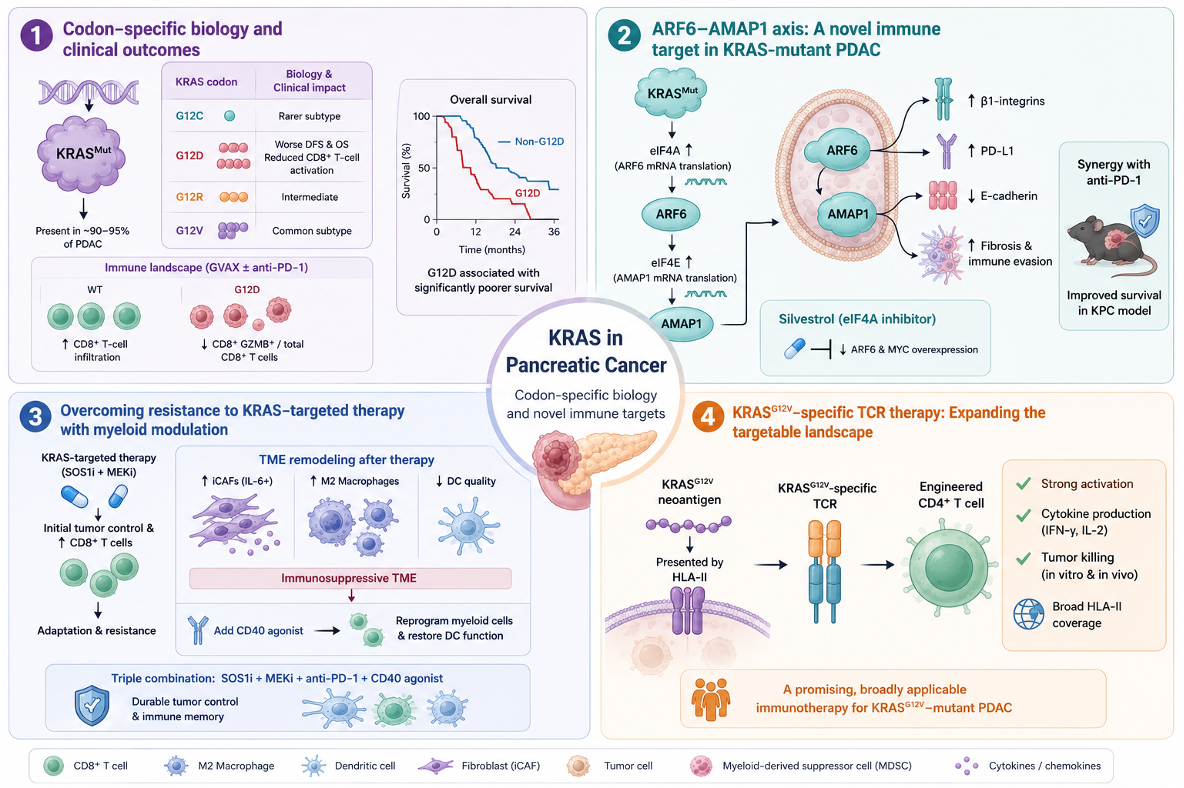
Table 2 summarizes landmark studies defining the immunological consequences of oncogenic KRAS signaling across multiple cancer types. Together, these studies highlight emerging therapeutic opportunities to enhance immunotherapy through combination strategies targeting KRAS-driven immune suppression.
Table 2. Immune regulation and therapeutic vulnerabilities in KRAS-driven cancers.
| Study | Representative finding | Translational implication | Ref |
|---|---|---|---|
| KRAS/TP53 mutation and immunotherapy response | KRAS/TP53 co-mutant NSCLC exhibits increased immune activation and improved response to immune checkpoint blockade. | Supports genotype-based immunotherapy stratification. | (78) |
| KRAS-CD47 innate immune evasion | KRAS signaling upregulates CD47 and suppresses macrophage-mediated tumor clearance. | Provides rationale for combining KRAS and CD47-targeted therapies. | (79) |
| Macrophage-tumor feedback in PDAC | TIMP-1/CD63 signaling sustains ERK-active tumor cells and promotes immune escape. | Identifies macrophage-epithelial crosstalk as a therapeutic target. | (80) |
| Epigenetic regulation of KRAS immunity | Dual BRD4/EP300 inhibition suppresses KRAS signaling and enhances CD8+ T-cell infiltration. | Supports epigenetic-immunotherapy combination strategies. | (81) |
| Type I interferon suppression | KRAS-mutant tumors exhibit persistent impairment of interferon signaling. | IFN-pathway restoration may sensitize tumors to immunotherapy. | (82) |
| KRAS/TP53-driven immune exclusion | KRAS-TP53 co-alteration promotes innate immune dominance and CD8+ T-cell exclusion. | Defines a high-risk immune-evasive subtype. | (83) |
| KRAS signaling in breast cancer immunity | Elevated KRAS signaling correlates with altered immune infiltration and poor survival. | Supports KRAS-based prognostic stratification. | (84) |
| Redox-mediated immune suppression | Glutathione promotes IgG4-mediated suppression of antitumor immunity. | Reveals a novel metabolic mechanism of immune evasion. | (85) |
| Adaptive resistance to KRAS inhibition | KRAS inhibition induces CD47 and CD24 expression, enabling immune escape. | Supports combining KRAS, CD47, and PD-L1 blockade. | (86) |
| KRAS-dependent immune suppression in PDAC | KRAS maintains tumor growth partly through suppression of antitumor immunity. | Targeting KRAS/BRAF/MYC may enhance immunotherapy efficacy. | (87) |
| Spatial immune regulation | Tregs constrain responses to KRAS inhibition despite increased T-cell activation. | Supports KRAS inhibitor, PD-1 blockade, and Treg-targeting combinations. | (88) |
| ARF6-AMAP1-PD-L1 axis | KRAS and TP53 cooperate to enhance PD-L1 recycling and immune escape. | Identifies translational control pathways as immunotherapeutic targets. | (89) |
| Metabolic immune suppression in CRC | KRAS-driven lactate production induces CD8+ T-cell dysfunction. | Supports combining KRAS or metabolic inhibitors with immunotherapy. | (90) |
| STK11 and TP53 co-mutation effects | STK11 suppresses immune surveillance, whereas TP53 enhances proliferation. | Highlights distinct molecular subclasses of KRAS-mutant NSCLC. | (91) |
| KRAS neoantigen vaccination | Engineered Lactococcus lactis elicits KRAS-specific mucosal immune responses. | Supports development of KRAS-targeted cancer vaccines. | (92) |
| CRC KRAS-mediated immune suppression | KRAS mutation suppresses IFNγ signaling and cytotoxic immune infiltration. | Supports molecular subtype-specific immunotherapy strategies. | (93) |
| IL22-STAT3 signaling | IL22 promotes immunosuppression, angiogenesis, and stemness in KRAS-mutant lung cancer. | IL22/IL22R1 represents a potential therapeutic target. | (94) |
| Epigenetic resistance programs | YAP1-driven adaptive resistance emerges following TBK1/MEK inhibition. | BET inhibitors may overcome acquired resistance. | (95) |
| KRAS signaling and TIME in TNBC | High KRAS signaling is associated with an inflamed microenvironment and favorable outcomes. | KRAS activity may serve as a biomarker beyond mutation status. | (96) |
| KRAS inhibition and immune remodeling | KRAS(G12C) inhibition increases antigen presentation and immune infiltration. | Rationale for combining KRAS inhibitors with PD-1 blockade. | (97) |
| Clinical benefit of immunotherapy | ICIs improve survival in KRAS-mutant NSCLC compared with chemotherapy. | Supports immunotherapy as a standard treatment approach. | (98) |
| Stromal-mediated immune exclusion | FAK signaling promotes CAF activation and T-cell exclusion in KRAS/LKB1 tumors. | FAK inhibition may convert immune-cold tumors to immune-hot. | (99) |
6. KRAS Inhibition and Cancer Immunotherapy.
The integration of KRAS inhibition with immune checkpoint blockade (ICB) is a mechanistically compelling yet clinically complex approach in KRAS-mutant malignancies, especially LUAD, where KRAS mutations correlate with elevated tumor mutational burden and partial immunotherapy efficacy. Preclinical evidence indicates that mutant-selective KRAS inhibitors (G12C and G12D) can alter the TME by increasing CD8+ T-cell infiltration and activation, enhancing antigen presentation, stimulating interferon signaling, and promoting the formation of tertiary lymphoid structures, thereby transforming tumors into a more immunogenic state. The immune-modulatory effects seem to stem from both intrinsic tumor alterations and indirect immunological activation, perhaps involving immunogenic cell death, and are essential for sustained responses, as adaptive immunity is necessary to eradicate resistant clones. Clinical translation has been constrained by tumor heterogeneity, inconsistent baseline immune contexture, and the finding that synergistic efficacy is predominantly confined to “hot,” immunologically inflamed tumors, offering negligible benefit in “cold” tumors such as PDAC and microsatellite-stable CRC. Further complications arise from concurrent mutations (LKB1, KEAP1) that impart resistance to immunotherapy and may diminish the immune priming induced by KRAS inhibitors, necessitating customized combinatorial strategies. Preliminary clinical trials indicate potential effectiveness but also underscore considerable safety concerns, notably heightened hepatotoxicity associated with combinations such as sotorasib plus anti-PD-(L)1 treatment, possibly attributable to synergistic immune activation or off-target therapeutic effects. The toxicities, along with ambiguities regarding appropriate dose, sequencing, and drug-specific characteristics (covalent vs noncovalent inhibitors), highlight the need for improved treatment strategies, such as intermittent dosing or lead-in regimens. In summary, while KRAS inhibition may enhance immunotherapy, its efficacy will depend on accurate patient stratification, a comprehensive understanding of mechanisms of resistance and toxicity, and the tailoring of combination therapies (100).
Small-molecule inhibitors targeting the KRAS G12C mutation, once deemed "undruggable," have emerged as revolutionary therapeutics, exemplified by sotorasib (AMG510) and adagrasib (MRTX849), which irreversibly bind the switch-II pocket of inactive, GDP-bound KRAS G12C. Sotorasib showed sustained responses in pretreated NSCLC patients (ORR approximately 32-37%, median PFS approximately 6.3-6.8 months), leading to FDA conditional approval in May 2021; however, its single-agent efficacy in CRC is limited (ORR 7.1%). Confirmatory phase 3 trials (CodeBreak 200) and combination studies are underway, and the FDA has also requested an assessment of a reduced dose (240 mg versus 960 mg). Adagrasib demonstrated comparable efficacy in NSCLC (ORR 45% in the phase 1/2 KRYSTAL-1 trial) and notable activity in CRC, particularly when combined with cetuximab (ORR 43%), prompting a phase 3 assessment (KRYSTAL-10). A multitude of next-generation KRAS G12C inhibitors are under development (LY3537982, BI 1,823,911, GDC-6036, D-1553, JDQ443), alongside innovative strategies targeting the active GTP-bound state (RM-032) or alternative KRAS variants such as G12D (MRTX1133, JAB-22000) and G12V (JAB-23000), illustrating ongoing efforts to overcome intrinsic resistance mechanisms and extend therapeutic efficacy beyond the KRAS G12C subset (101).
The characterization of KRAS as an undruggable target was challenged by the identification of compound 12, which covalently bound to the switch II pocket of inactive, GDP-bound KRAS G12C. This breakthrough enabled the development of the first-generation KRAS G12C inhibitors, sotorasib and adagrasib, which subsequently received accelerated FDA approval for the treatment of KRAS G12C-mutant NSCLC based on promising phase 1/2 clinical trial results. However, sotorasib encountered regulatory obstacles in 2024 when it was denied full approval due to limited OS benefit in phase 3 comparisons with docetaxel. Initially, monotherapy in CRC showed limited efficacy; however, combination therapies using EGFR inhibitors such as panitumumab or cetuximab markedly improved outcomes, leading to recent expedited approval for CRC combinations and underscoring the significance of combination treatments. To overcome limitations in efficacy and resistance, second-generation KRAS G12C inhibitors, such as divarasib with improved potency, and innovative approaches like RMC-6291, which targets the active GTP-bound state through a cyclophilin A-mediated tricomplex, are being developed. The field is swiftly evolving beyond G12C to target additional common mutations, using noncovalent inhibitors such as MRTX1133 and ON-state-selective agents like RMC-9805 targeting KRAS G12D, in conjunction with pan-KRAS and pan-RAS inhibitors like RMC-6236, which exhibit broad efficacy across RAS mutants and various tumor types, including PDAC. The durability of these therapies is compromised by intricate resistance mechanisms, which are divided into primary resistance associated with co-occurring mutations such as KEAP1 and STK11, and acquired resistance caused by secondary KRAS mutations in the drug-binding pocket or novel activating alleles, thereby requiring continuous innovation in drug design and stratification to maintain clinical efficacy (102).
The immune microenvironment of KRAS-mutant CRC is markedly immunosuppressive, with attenuated Th1-centric immune responses, reduced cytotoxic T-cell infiltration, and lower expression of interferon-γ signaling components (STAT1, CXCL10) and key immune checkpoint molecules (CTLA-4, PD-L1/PD-L2, LAG-3, TIM-3) compared with KRAS wild-type tumors. Analyses of KRAS G12C further indicate suppression of the IL-6/JAK/STAT3, complement, and IL-2/STAT5 signaling pathways. Preclinical models show that oncogenic KRAS induces de novo resistance to anti-PD-1 therapy via IRF2 suppression and CXCL3-mediated recruitment of myeloid-derived suppressor cells, supporting combining KRAS inhibitors or CXCR1/2 blockade with immunotherapy. Specifically, both sotorasib and adagrasib augment tumor-infiltrating cytotoxic T cells, MHC class I expression, and pro-inflammatory cytokines while diminishing immunosuppressive myeloid populations, yielding significant synergy with anti-PD-1 in murine CRC models. Clinical translation has faced obstacles: combining sotorasib with pembrolizumab or atezolizumab in NSCLC led to substantial hepatotoxicity, prompting exploration of low-dose lead-in strategies, while the phase 3 IMblaze370 trial of atezolizumab plus the MEK inhibitor cobimetinib did not improve OS compared with regorafenib in microsatellite-stable CRC. Concurrently, neoantigen-targeted vaccination strategies, including mRNA-5671/V941, pooled mutant KRAS peptide vaccines, and the TG02 peptide vaccine, are being evaluated in early-phase trials to stimulate T-cell responses against prevalent KRAS mutations (G12C, G12D, G12V, G13D). However, these trials have involved small patient cohorts and yielded mixed immunogenicity results, underscoring the ongoing challenge of navigating the immunosuppressive environment of KRAS-mutant CRC through strategic combinatorial and vaccine-based approaches (103).
The development of KRAS inhibitors represents a paradigm shift in oncology, particularly in the context of cancer immunotherapy. KRAS mutations, long considered “undruggable,” are among the most prevalent oncogenic drivers across solid tumors, including lung, colorectal, and pancreatic cancers. The emergence of allele-specific inhibitors (targeting KRAS G12C) has not only demonstrated that direct pharmacologic targeting is feasible but has also revealed complex immunomodulatory consequences within the TME, including enhanced antigen presentation, altered cytokine signaling, and increased T-cell infiltration, thereby creating a more permissive context for immune checkpoint blockade. However, therapeutic responses remain heterogeneous and often transient due to adaptive resistance mechanisms, including pathway reactivation, tumor heterogeneity, and immune evasion. This has catalyzed growing interest in rational combination strategies that integrate KRAS inhibition with PD-1/PD-L1 or CTLA-4 blockade, as well as emerging modalities such as adoptive cell therapy and cancer vaccines. Moreover, preclinical and translational data suggest that KRAS signaling intersects with metabolic reprogramming and stromal interactions that shape immune suppression, implying that durable clinical benefit will likely depend on multidimensional approaches that co-target oncogenic signaling, immune checkpoints, and the TME. Consequently, the future trajectory of KRAS inhibitor development is increasingly defined not as a monotherapy endeavor but as a cornerstone component of combinatorial immuno-oncology regimens designed to convert immunologically “cold” tumors into “hot,” responsive states while overcoming resistance and achieving sustained anti-tumor immunity (Figure 6).
Despite substantial progress, several limitations complicate the interpretation of the current literature. Much mechanistic evidence still derives from preclinical models that incompletely recapitulate human tumor-immune interactions. Clinical studies are often retrospective, involve heterogeneous treatment regimens, and vary widely in molecular annotation and biomarker assessment. Furthermore, observations from one KRAS-driven malignancy are not necessarily generalizable to others, as tissue context, co-occurring genomic alterations, and the composition of the immune microenvironment strongly influence biological behavior and therapeutic responsiveness. Addressing these limitations will be essential to translating mechanistic insights into clinically actionable strategies.
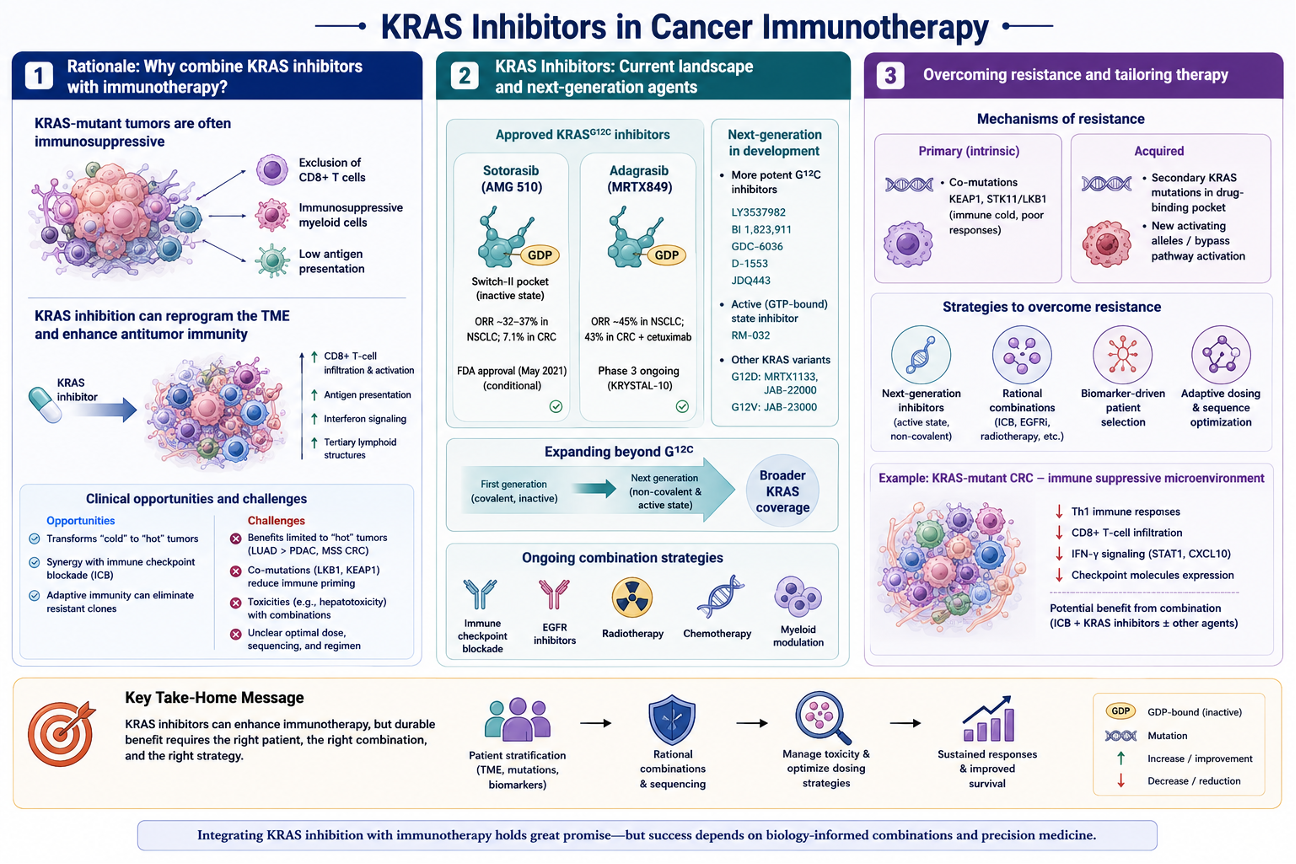
7. Clinical Translation and Future Directions.
Epidemiology, Prognostic Significance, and Molecular Testing of KRAS.
KRAS mutations occur in approximately 20-30% of LUAD and are infrequent in squamous tumors. They are significantly associated with tobacco exposure, as meta-analyses indicate elevated mutation rates in current and former smokers compared to never-smokers (OR approximately 3.7-4.4) and show distinct mutation spectra (G/T/G/C transversions in smokers versus G to A transitions in never-smokers). Frequencies vary by ethnicity, typically lower in Asians than in whites, though interpretation is complicated by smoking habits and EGFR prevalence; hence, neither ethnicity nor tobacco history should dictate testing, and KRAS testing has minimal significance in verified squamous histology. A PCR-based meta-analysis of 28 studies identified KRAS mutation as a negative prognostic indicator in NSCLC (overall OS HR ~1.40; adenocarcinoma HR ~1.50), although its direct clinical use is constrained (104).
Real-World Effectiveness of Immune Checkpoint Inhibitors in KRAS-Mutant Cancers.
A retrospective cohort study of 143 patients with stage IIIB/IV NSCLC treated with ICIs as second- or later-line therapy at Harbin Medical University (2019-2022) found that those with KRAS or TP53 mutations had higher objective response and disease control rates and significantly longer progression-free survival and OS than those with wild-type KRAS/TP53 (P < 0.05). Kaplan-Meier and Cox analyses showed that adding chemotherapy to ICIs independently predicted better outcomes, with longer PFS (HR 0.192; 95% CI 0.094-0.392; P < 0.001) and OS (HR 0.414; 95% CI 0.281-0.612; P < 0.001). In this context, KRAS or TP53 mutations were associated with improved outcomes with ICI therapy, suggesting their potential as clinical biomarkers to predict ICI effectiveness in advanced NSCLC (105).
A retrospective review of 60 patients with KRAS-mutant NSCLC (predominantly stage IV adenocarcinoma with codon 12 mutations) found that 20% received immunotherapy. The cohort's median OS was 28 months, with survival superior among those receiving immunotherapy compared with those not receiving it (33 months versus 22 months; P=0.31). A significant correlation was observed between immunotherapy use and improved survival (P=0.007). These data indicate that KRAS-positive patients, who frequently exhibit unique co-mutation patterns, may derive significant benefits from immunotherapy across multiple treatment lines compared with traditional chemotherapy, warranting further research to validate a survival advantage.(17).
A retrospective study conducted at Shandong Cancer Hospital assessed 122 Chinese patients with advanced KRAS-mutant NSCLC (predominantly stage IV adenocarcinoma; 57% smokers) treated from 2018 to 2022, comparing immunotherapy-based regimens (anti-PD-(L)1 ± chemotherapy; 42%) with chemotherapy alone (58%). The median OS and PFS were 22.9 and 9.4 months, respectively; patients receiving immunotherapy-based regimens had significantly longer OS than those receiving chemotherapy (45.2 vs 11.3 months; P=1.81×10⁻⁵), with no notable difference in PFS (10.5 vs 8.2 months; P=0.706). Immunotherapy demonstrated benefits when administered as first- or second-line treatment, as evidenced by improved PFS and OS. These benefits were consistent across both KRAS G12C and non-G12C subtypes and remained regardless of KRAS/TP53 co-mutation status, thereby supporting immunotherapy-based strategies over chemotherapy in this demographic (106).
A retrospective study of the Netherlands Cancer Registry, involving 153 patients with stage IV KRAS G12C-mutated NSCLC treated with first-line ICIs with or without chemotherapy (diagnosed between January 1 and June 30, 2019), revealed that only 35% underwent baseline brain imaging. Among those imaged, over half (56%; 30 of 54) had brain metastases, representing approximately 20% of the total cohort, and 67% exhibited symptoms. Patients with brain metastases were younger, had more metastatic sites, and 30% had five or more brain metastases. Additionally, 75% received cranial radiotherapy prior to (chemo)-ICI treatment. During therapy, the 1-year intracranial progression rate was higher in patients with established baseline brain metastases (33% vs 7%; p=0.0001). Survival outcomes were comparable: mPFS was 6.6 months vs 6.7 months (p=0.80), and median OS was 15.7 months vs 17.8 months (p=0.77) for patients with brain metastases present versus absent, respectively. Baseline brain metastases are prevalent and necessitate routine brain imaging during (chemo)-immunotherapy; they did not negatively impact PFS or OS in this population (107).
A retrospective cohort study of 143 patients with advanced NSCLC harboring KRAS mutations treated with ICIs (December 2020-July 2022) found that G12C was the predominant subtype (41%), followed by G12V (23.7%) and G12D (11.8%). G12C was also associated with a higher incidence of bone metastases (42%). ICIs were administered as monotherapy in 54.5% of cases and as first-line chemo-immunotherapy in 69%; co-mutations were prevalent (52%), notably STK11 (24%) and TP53 (29%). Among KRAS subtypes, OS and PFS showed no significant differences; the longest OS was observed in Q61 (46.5 months), 13X (31.8 months), and G12C (28.7 months).
The highest overall response rate (ORR) was observed in G12D (73%), particularly with chemo-immunotherapy; the median duration of response (DOR) was 7.4 months overall, with the longest in G12V (10.2 months) and the shortest in G12A (about 1.5-2.6 months, depending on the regimen). STK11 co-mutation was associated with a trend toward prolonged overall survival, whereas TP53 was associated with reduced overall survival; neither finding reached statistical significance. Bone metastases were a significant negative prognostic indicator, virtually doubling the mortality risk (HR ~2.8; p<0.001) regardless of KRAS subtype or co-mutation status, highlighting the necessity for tailored therapies (108).
KRAS Subtypes, Co-Mutations, and Biomarkers of Immunotherapy Response.
A bioinformatics analysis of TCGA LUAD data (n=567) identified KRAS mutations in 26.3% and a KRAS/TP53 co-mutation rate of 9.7%. KRAS-mutant tumors exhibited a higher tumor mutational burden (TMB) but comparable PD-L1 expression and immune cell infiltration relative to wild-type tumors; conversely, TP53-mutant and KRAS/TP53 co-mutant cancers had higher TMB, higher PD-L1 protein levels, and greater immune cell infiltration. Subtype analysis revealed that KRAS G12C (9.9%) was the predominant variant, followed by G12V, G12D, and G12A. Notably, the KRAS G12D subtype exhibited a significantly lower TMB, particularly in the presence of a TP53 co-mutation, along with lower PD-L1 protein levels and fewer activated CD4 memory T cells, helper T cells, M1 macrophages, and NK cells.
These characteristics indicate that the KRAS G12D/TP53 co-mutation induces an immunosuppressed phenotype and may predict a suboptimal response to anti-PD-1/PD-L1 treatment in lung cancer (109). Among 100 male patients with advanced NSCLC treated with first-line immunotherapy ± chemotherapy (66% adenocarcinoma, 34% squamous), PD-L1 expression and KRAS mutations were assessed from biopsies, with KRAS G12C the most prevalent mutation (73%). Kaplan-Meier analyses showed significantly longer OS in patients with wild-type KRAS: among those with PD-L1 >49%, KRAS-negative individuals had a median OS of 40 months compared with 9 months for KRAS-mutant cases; among adenocarcinoma patients with PD-L1 <49%, KRAS-negative individuals had an OS of 39 months versus 28 months for KRAS-mutant (both p<0.05). In this real-world first-line ICI context, KRAS mutant status independently predicted worse outcomes regardless of PD-L1 levels (110).
In a cohort of 5,278 patients with nonsquamous NSCLC, 246 (4.7%) had KRAS mutations, predominantly G12C (32.9%), G12D (23.7%), and G12V (18.9%); G12C was more prevalent among males and smokers. In a cohort of 25 patients treated with ICIs, the G12C mutation was associated with a higher response rate (53.8% vs 8.3%) and longer PFS (4.8 months vs 2.1 months) than non-G12C mutations. In early-stage disease (n=85), G12C was associated with a shorter time to recurrence (22.8 months vs 97.7 months). In advanced-stage disease (n=143), OS varied by subtype (G12C: 7.7 months vs non-G12C: 6.0 months), with G12V showing the worst survival at 5.2 months. Multivariate analysis associated shorter OS with G12V (HR 2.47), stage IV status (HR 2.69), and NSCLC-NOS histology (HR 3.12). KRAS G12C was associated with enhanced ICI efficacy but earlier recurrence in early-stage cancer, whereas KRAS G12V was associated with reduced survival in advanced disease (111).
A prospective, bicenter cohort of 49 patients with stage III-IV NSCLC receiving immune checkpoint therapy was analyzed using next-generation sequencing of 597 cancer genes and a custom bioinformatics classifier, which identified KRAS, LRP1B, and TP53 as significant predictors. LRP1B mutations, whether likely pathogenic or of uncertain significance, were associated with prolonged OS (p=0.041). Combinatorial analysis indicated that co-occurring KRAS and LRP1B variants were linked to markedly increased OS (p=0.003) and PFS (p=0.008), whereas the inclusion of TP53 variations (KRAS+LRP1B+TP53) further augmented both outcomes (OS p=0.026; PFS p=0.003).
These data identify KRAS-LRP1B, particularly when combined with TP53, as a potential multi-gene biomarker panel for predicting greater ICB efficacy in NSCLC (112). A comprehensive evaluation of four trials, including 469 patients, assessed first-line anti-PD-(L)1 monotherapy in advanced NSCLC with PD-L1 ≥50% and determined that the KRAS G12C subtype is associated with improved PFS. In the two studies with hazard ratios (n=163), KRAS G12C was associated with significantly improved PFS compared with KRAS wild type (pooled HR 0.39; 95% CI 0.25-0.63) and other KRAS mutations (pooled HR 0.33; 95% CI 0.19-0.57). In summary, high-PD-L1 NSCLC with KRAS G12C demonstrates notably improved PFS on monotherapy with PD-(L)1 compared to KRAS wild-type or non-G12C KRAS variants (113).
A meta-analysis of 24 trials (2000-2023) assessing NSCLC immunotherapy found that KRAS mutations were often linked to superior outcomes with ICIs compared with non-ICI therapies, including improved OS (HR 0.54) and PFS (HR 0.63). Among KRAS subtypes, G12C was associated with improved PFS with ICIs (HR 0.39), whereas G12D was linked to inferior OS relative to non-G12D variants (HR 1.52). Co-mutations conferred a benefit: KRAS with STK11 (HR 1.46) and KRAS with KEAP1/NFE2L2 (HR 1.89) were both associated with markedly worse overall survival. In summary, KRAS, especially KRAS G12C, can confer benefit from ICIs, but KRAS G12D and KRAS co-mutations with STK11 or KEAP1/NFE2L2 indicate diminished immunotherapy efficacy (114).
Extra-pulmonary lesions and rare KRAS variants.
In a cohort of 257 CRCs analyzed by multiplex immunohistochemistry (CD8, T-bet, FoxP3, CD20, CD68), elevated immune infiltration correlated with microsatellite instability, as expected. Notably, BRAF-mutant tumors exhibited greater immune cell infiltration, whereas KRAS-mutant tumors showed less infiltration, with the most pronounced differences observed in cytotoxic CD8+ and Th1 cells. This pattern was corroborated in an independent cohort of 608 patients. In both cohorts, increased CD8+ T-cell infiltration was associated with favorable outcomes across wild-type, KRAS-mutant, and BRAF-mutant CRC. Integrating MSI status, KRAS/BRAF mutations, and cytotoxic T-cell density may improve prognostic accuracy and help predict immunotherapy responses in CRC (115).
Another retrospective analysis examined 240 patients with advanced NSCLC harboring KRAS mutations treated at Shanghai Chest Hospital from 2018 to 2021, comparing outcomes between uncommon KRAS variants (G13C, G13D, Q61H) and typical variants. The overall median survival was 9.7 months, with a median follow-up of 36.5 months. Among patients receiving chemotherapy, those with uncommon KRAS mutations had worse outcomes than those with conventional KRAS (PFS 3.4 vs 4.1 months, P=0.047; OS 5.2 vs 7.1 months, P=0.02). Conversely, ICI-based treatment, administered to 45.8% of patients, improved outcomes for uncommon KRAS mutations (PFS 7.3 vs 3.4 months; OS 13.3 vs 5.2 months; both P<0.001), yielding survival rates comparable to those observed with conventional KRAS after immunotherapy. In the cohort with PD-L1 data (n=72), elevated PD-L1 expression (≥50%) was associated with prolonged PFS and OS. Conclusion: uncommon KRAS-mutant NSCLC has worse outcomes with chemotherapy but gains a significant advantage from ICIs, particularly in cases of elevated PD-L1 expression (116).
Immunotherapy Outcomes and Co-Mutational Context in KRAS-Mutant NSCLC
Analysis of MSK-IMPACT (10,336 patients undergoing systemic treatment) and MSK-TMB (1,661 patients receiving ICIs) revealed KRAS/STK11 co-mutations in 1.5% and 2.8% of patients, respectively, primarily in NSCLC (83-85%). In NSCLC, STK11 mutation was associated with inferior OS with systemic therapy (HR 1.90, 95% CI 1.36-2.65) but not with ICI therapy (HR 1.44, 95% CI 0.88-2.37). Additionally, the KRAS/STK11 co-mutation did not independently correlate with outcomes in either group (HR 0.93 and 1.09). A high tumor mutational load predicted improved outcomes in individuals treated with ICIs. In pan-cancer analysis excluding NSCLC, STK11 mutations and elevated TMB demonstrated predictive significance for ICI effectiveness, whereas the KRAS/STK11 co-mutation did not. The KRAS/STK11 co-mutation is prevalent in NSCLC; however, it is not an independent predictive biomarker for ICI response, warranting further exploration of STK11's role in immunotherapy (117).
The predictive value of KRAS/STK11 co-mutation remains incompletely resolved. While several cohorts report profound resistance to immune checkpoint blockade, other studies have failed to confirm independent predictive effects after adjusting for clinical and molecular variables, suggesting substantial context dependence. A retrospective study at a single institution of 199 patients with advanced/metastatic KRAS-mutant NSCLC, diagnosed between March 2016 and December 2021 during the immunotherapy era, revealed a dismal prognosis, with a median OS of 10.7 months (95% CI, 8.5-12.9) and no variation in OS among KRAS mutation subtypes. Among 134 patients receiving first-line treatment, the median OS was 12.2 months (95% CI, 8.3-16.1), whereas the median PFS was 5.6 months (95% CI, 4.5-6.6). In multivariable analyses, only an ECOG performance status of 2 independently predicted reduced PFS and OS, whereas KRAS subtype and co-mutations were not associated with outcomes, highlighting a consistently unfavorable prognosis despite treatment (118).
In a cohort of 220 patients with stage III-IV NSCLC undergoing first- or second-line non-targeted therapy, KRAS-mutant tumors, predominantly G12C, G12D, and G12V, often accompanied by co-mutations in TP53, STK11, and KMT2C, exhibited enhanced sensitivity to immunotherapy compared to KRAS-wild-type tumors: ORR 65% and DCR 80%. Survival on ICIs was improved relative to non-KRAS tumors (median OS 18.1 vs 12.2 months, p=0.0032; PFS 7.9 vs 3.6 months, p=0.01) and to chemotherapy within the KRAS-mutant cohort (OS 18.1 vs 12.3 months, p=0.039; PFS 7.9 vs 4.1 months, p=0.001). KRAS G12C was associated with improved outcomes with immunotherapy compared to chemotherapy; however, this difference was not statistically significant (OS p=0.26; PFS p=0.055). Co-mutations in TP53 or KMT2C may augment the response to ICIs. KRAS mutation status was associated with better immunotherapy outcomes (119).
In a cohort of 93 NSCLC patients with KRAS mutations (median age 66; 23.7% female; 22.6% never-smokers), G12C was the predominant mutation (36.6%). Of the 47 individuals with PD-L1 testing, 66% were PD-L1-positive, and PD-L1 levels ≥50% were more common among ever-smokers (P=0.038). Among 23 patients who received ICIs, those with PD-L1 expression ≥50% had a response rate of 45.5%. ICI treatment markedly improved OS compared with no ICI (35.6 vs 9.8 months; P=0.002), with a substantial advantage in PD-L1 ≥50% (median OS not attained vs 8.4 months; P=0.008). Survival was not significantly affected by KRAS subtype (P=0.666). In summary, ICIs improved outcomes in KRAS-mutant NSCLC, especially among patients with PD-L1 expression ≥50%, and a significant minority of cases were observed among never-smokers (120).
A prospective examination of advanced NSCLC patients screened with plasma NGS before treatment (VISION/Guardant360® and MAGIC/Myriapod 56G; January 2017-October 2019) included a non-ICI control group. Among 103 patients treated with ICIs, the median OS was 20.8 months, and the immune-related PFS was 4.2 months. TP53 mutations detected in plasma were associated with worse OS in both the ICI-treated and control groups (P=0.001 and P=0.009), indicating prognostic significance. STK11 mutations (n=9) were associated with a trend toward reduced OS exclusively among recipients of ICIs. Significantly, KRAS/STK11 and KRAS/STK11/TP53 co-mutations predicted markedly worse OS among patients treated with ICIs (HR 10.94, P=0.002; HR 17.61, P<0.001), indicating diminished immunotherapy efficacy (121). In this retrospective cohort study of 95 patients with KRAS-mutant advanced NSCLC, ICIs demonstrated superior efficacy compared with chemotherapy: first-line ICI combined with platinum chemotherapy improved PFS (7.4 vs 4.5 months; P=0.035) and OS (24.1 vs 13.2 months; P=0.007) compared with platinum chemotherapy alone, while second-line ICI monotherapy surpassed chemotherapy monotherapy in PFS (4.8 vs 3.0 months; P=0.043) and OS (18.0 vs 13.8 months; P=0.013). Among patients treated with ICI, outcomes were comparable between KRAS-mutant and KRAS-wild-type groups (PFS 5.27 vs 6.73 months; OS 19.93 vs 20.93 months) and between KRAS G12C and non-G12C subtypes (PFS 8.1 vs 4.8 months; OS 21.3 vs 21.8 months). KRAS-mutant NSCLC benefits from ICIs, with no significant differences in efficacy across KRAS subtypes (122).
In a clinical cohort (n=74) and in murine models, KRAS G12D-mutant NSCLC showed a diminished response to ICIs. Mechanistically, KRAS G12D decreased PD-L1 levels and attenuated CXCL10/CXCL11 production, thereby reducing CD8+ tumor-infiltrating lymphocytes and fostering an immunosuppressive TME. In cellular systems, KRAS G12D inhibited PD-L1 via the P70S6K/PI3K/AKT pathway and reduced CXCL10/CXCL11 by down-regulating HMGA2. Paclitaxel elevated HMGA2, reinstated CXCL10/CXCL11, and, in conjunction with PD-L1 inhibition, augmented CD8+ T-cell recruitment and more effectively suppressed KRAS G12D lung cancer proliferation than PD-L1 monotherapy. In accordance with these findings, patients with KRAS G12D-mutant NSCLC derived greater benefit from chemo-immunotherapy than from ICI monotherapy, supporting combination therapy as the superior approach (123).
A retrospective study of 22 patients with stage IV NSCLC receiving immunotherapy examined the correlation between KRAS G12C status, identified by Idylla liquid biopsy, and patient outcomes. Patients were categorized by line of therapy. In first-line immunotherapy, KRAS-mutant patients showed no benefit in PFS (20 vs 14.5 months; HR 1.31; p=0.76) or OS (21 months; HR 1; p>0.99). In second-line therapy, patients with KRAS G12C mutations had a longer mPFS than non-mutants (23 months versus 5 months; reported hazard ratio, 3.28; p=0.03). However, the authors ultimately conclude that there is no definitive, consistent correlation between KRAS G12C and immunotherapy response, and the mechanisms within the TME remain unclear (124).
In a single-center cohort of 78 advanced NSCLC patients with PD-L1 ≥50% treated with first-line single-agent PD-1/PD-L1 inhibitors, KRAS status (assessed by sequencing) did not significantly influence outcomes: among non-squamous cases assessed for KRAS, 51% were KRAS-mutant, predominantly G12C (19%), G12V (15%), and G12D (13%), and median overall survival (mOS) was comparable for KRAS-mutant versus wild-type (12.9 vs 19.3 months; p=0.879). Multivariable analysis indicated no correlation between KRAS mutation and mOS (HR 0.901; p=0.791). A non-significant trend toward worse mOS was observed for KRAS G12C (11.4 months) compared with non-G12C (44.9 months) and KRAS wild-type (WT) (19.3 months) (p=0.772). ECOG ≥2 independently predicted reduced survival (HR 2.853; p=0.014), while the incidence of immune-related adverse events was similar in KRAS-mutant and wild-type cohorts (48% vs 52%; p=1.000) (125).
This multi-center retrospective cohort study from the CARMA-BROS registry examined 102 Canadian patients with KRAS G12C-positive advanced NSCLC (diagnosed between 2015 and 2021) to elucidate real-world treatment sequencing and outcomes after ICI therapy. Patients (median age 66; 58% female; 99% with tobacco exposure; 59% PD-L1 ≥50%) often received ICIs initially, followed by diverse systemic therapies, including chemotherapy and targeted therapies. Among patients treated after ICI, the mOS was 12.6 months, and the real-world progression-free survival (rwPFS) was 4.7 months. Use of a KRAS G12C-selective targeted therapy (sotorasib; n=20) was associated with longer rwPFS than single-agent chemotherapy (adjusted HR 0.39, p=0.012). The findings underscore the diversity of post-ICI sequencing and advocate for more research to establish appropriate procedures as KRAS G12C-targeted alternatives proliferate (126). Figure 7 highlights current clinical development, some limitations, and future perspectives.
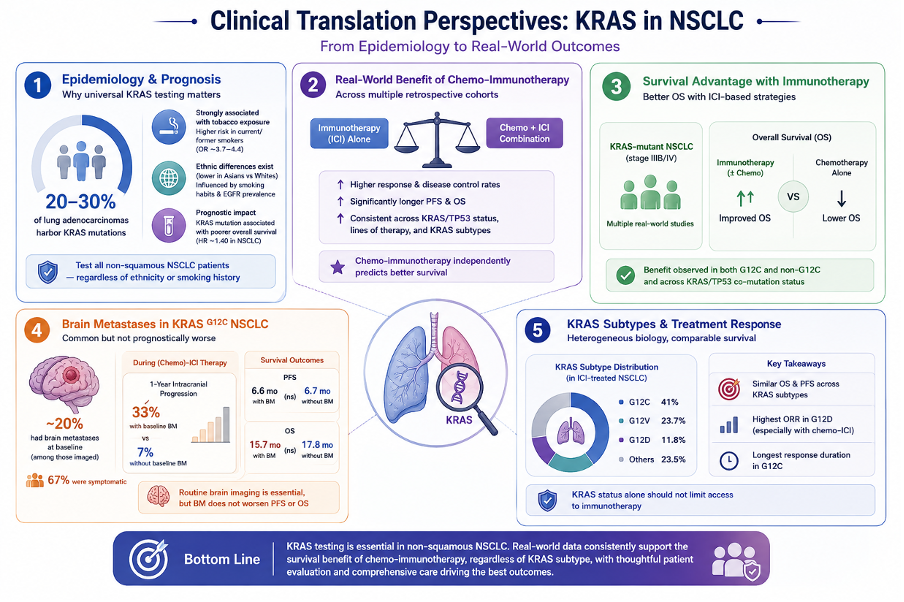
Table 3 summarizes representative clinical studies evaluating KRAS-associated biomarkers for predicting immunotherapy response across multiple cancer types. Collectively, these findings highlight the opportunities and limitations of genomic and immune biomarkers for patient stratification and precision immunotherapy in KRAS-mutant malignancies.
Table 3. Studies evaluating immunotherapy biomarkers and outcomes in KRAS-mutant cancers.
| Biomarker Clinical Settings | Representative Finding | Clinical Implication | Ref |
|---|---|---|---|
| KRAS/STK11 and KRAS/STK11/TP53 co-mutations | Co-mutations associate with markedly worse outcomes following immune checkpoint blockade. | Supports plasma-based genomic stratification for immunotherapy. | (121) |
| PD-L1 expression in KRAS-mutant NSCLC | PD-L1 ≥50% predicts superior response and survival with immunotherapy. | Reinforces PD-L1 as a key predictive biomarker. | (120) |
| KRAS mutation and immunotherapy efficacy | KRAS-mutant NSCLC demonstrates improved outcomes with ICIs compared with chemotherapy and KRAS-wild-type disease. | Supports immunotherapy as a preferred treatment strategy. | (119) |
| KRAS subtype heterogeneity | Survival outcomes are broadly similar across KRAS variants, although response rates may vary. | KRAS subtype alone is insufficient for treatment selection. | (108) |
| Immunotherapy benefit in KRAS-mutant NSCLC | Immunotherapy is associated with prolonged OS across treatment lines. | Confirms clinical activity of ICIs in KRAS-mutant disease. | (17) |
| KRAS/LRP1B molecular signature | KRAS-LRP1B co-mutation, particularly with TP53 alterations, predicts improved ICB outcomes. | Multi-gene signatures may outperform single-gene biomarkers. | (112) |
| KRAS G12C and immunotherapy response | KRAS G12C exhibits higher response rates and longer PFS than non-G12C variants. | Suggests subtype-specific differences in immunotherapy sensitivity. | (113) |
| Prognostic significance of KRAS subtypes | KRAS subtype does not consistently influence survival in advanced disease. | Clinical outcomes may depend more on host and disease factors than KRAS variant. | (118) |
| KRAS mutations and immune infiltration in CRC | KRAS-mutant CRC exhibits reduced CD8+ T-cell and Th1-cell infiltration. | Supports combining molecular and immune biomarkers for prognosis. | (115) |
| KRAS status and first-line immunotherapy | KRAS mutations may be associated with inferior survival despite immunotherapy. | Highlights conflicting evidence regarding KRAS as a predictive biomarker. | (110) |
| KRAS/STK11 co-mutation across cancers | KRAS/STK11 is not consistently predictive of ICI benefit across large pan-cancer cohorts. | Suggests context-dependent biomarker utility. | (117) |
| KRAS and TP53 mutations as predictive biomarkers | KRAS and TP53 alterations correlate with improved response and survival following later-line immunotherapy. | Supports incorporation of genomic profiling into treatment selection. | (105) |
KRAS and Cancer Immunotherapy.
The rationale for combining RAS inhibitors with immune checkpoint blockade (ICB) stems from KRAS inhibition's ability to reverse oncogene-driven immunosuppression and remodel the TME, potentially converting immunologically "cold" tumors into "hot" ones susceptible to durable ICB-mediated responses. Preclinical evidence in lung and CRC models supports this synergy, showing that KRAS-G12C inhibitors combined with anti-PD-1 therapy can induce long-term cures dependent on adaptive immune memory and cancer cell-intrinsic IFNγ signaling, although this benefit is largely restricted to models with baseline immunogenicity rather than immune-desert phenotypes. Translating these findings to the clinic, NSCLC trials have yielded mixed safety profiles; while the adagrasib-pembrolizumab combination demonstrated manageable toxicity and high response rates in ICB-naive patients, sotorasib combined with anti-PD-L1 agents resulted in severe hepatotoxicity and high discontinuation rates, potentially driven by compound-specific metabolism, high dosing, or covalent binding that creates protein-drug conjugates targeted by the reinvigorated immune system. In pancreatic adenocarcinoma, where KRAS G12D mutations are dominant, early preclinical studies with inhibitors such as MRTX1133 indicate T-cell-dependent synergy with ICB in orthotopic models, yet the inherently immunosuppressive nature of pancreatic tumors suggests that non-immunotherapeutic combinations may be preferred initially. Ultimately, the success of these orthogonal strategies hinges on resolving challenges related to off-target toxicities, optimizing dosing to avoid impairing immune cell proliferation, stratifying patients based on co-mutations like LKB1 or KEAP1, and using more representative preclinical models to predict which subsets of patients can safely benefit from the profound TME remodeling induced by KRAS inhibition (127). KRAS G12C inhibitors have demonstrated clinically meaningful activity and are now incorporated into standard treatment paradigms in NSCLC.
A hypothesis-generating pilot study examined the potential of the KRAS G12C variant as a predictive biomarker for ICI efficacy in patients with advanced NSCLC who have high PD-L1 expression (≥50%) and lack actionable alterations in EGFR, ALK, ROS1, or RET. Researchers analyzed genomic and tissue data from 44 patients treated with ICIs using next-generation sequencing, fluorescence in situ hybridization, and immunohistochemistry. They found that the 11 patients with the KRAS G12C mutation had markedly prolonged PFS in both univariate and multivariate analyses (p = 0.03), and Kaplan-Meier curves corroborated delayed disease progression in this subgroup. This PFS advantage was observed only with the G12C variant and was not evident when all KRAS mutations were compared with wild-type patients. Despite acknowledging constraints associated with the limited sample size and exploratory design, the authors cautiously suggest that KRAS G12C status be assessed as a potential predictive biomarker for extended response to first-line ICIs in PD-L1-high NSCLC, a conclusion of notable significance as targeted anti-KRAS G12C therapies become more prevalent in the NSCLC treatment paradigm (128).
A retrospective study examined the natural history and treatment outcomes of 199 consecutive patients with advanced or metastatic KRAS-positive NSCLC diagnosed at a single academic institution from March 2016 to December 2021, with the objective of characterizing the real-world efficacy of first-line therapies in the immunotherapy era across various KRAS mutation subtypes and co-mutation profiles. The cohort had a dismal prognosis, with a median OS of 10.7 months (95% CI, 8.5-12.9 months), which did not substantially vary by individual KRAS mutant subtype. Among 134 patients receiving first-line therapy, the median OS was 12.2 months (95% CI, 8.3-16.1 months), and the mPFS was 5.6 months (95% CI, 4.5-6.6 months). Multivariate analysis revealed that only an Eastern Cooperative Oncology Group performance status of 2 was substantially correlated with reduced PFS and overall survival, although neither KRAS subtype nor co-mutation status independently affected survival outcomes. The authors conclude that although immunotherapy is available, KRAS-positive advanced NSCLC continues to have poor outcomes, and survival does not appear to correlate with individual KRAS mutant subtypes in this real-world context (129).
A study presents the first human application of an "off-the-shelf" mRNA vaccine targeting the shared KRAS G12V neoantigen, combined with the PD-1 inhibitor pembrolizumab, in two patients with terminal, unresectable malignancies, locally advanced PDAC and metastatic NSCLC, both harboring the KRAS G12V mutation and the HLA-A11:01 allele. Although personalized neoantigen mRNA vaccines show promise in postsurgical, low-tumor-burden settings, their lengthy manufacturing time (8-12 weeks) limits use in advanced disease; this study addresses that limitation by targeting a prevalent driver mutation (KRAS G12V) associated with a high-frequency HLA subtype (A11:01, found in 20-60% of Asian populations) to develop an immediately deployable therapeutic. Mass spectrometry preclinically validated presentation of KRAS G12V peptides by HLA-A*11:01, and murine models showed vaccine-induced proliferation of antigen-specific, polyfunctional CD8+ T cells that effectively inhibited tumor development. Clinically, both patients achieved partial responses per RECIST 1.1 with tolerable side effects (mostly transient fever), and immunological surveillance revealed de novo or enhanced KRAS G12V-specific T-cell responses, clonal TCR expansion, and functional confirmation of neoepitope identification. Despite constraints imposed by the small sample size and exploratory design, these findings indicate that focusing on a validated driver-mutation neoantigen in conjunction with a prevalent HLA allele may enable efficient, prompt immunotherapy for advanced cancer patients with limited treatment options, potentially broadening the applicability of mRNA vaccines beyond personalized, postsurgical scenarios; however, larger clinical trials are imperative to validate efficacy, refine combination strategies, and identify additional neoantigen-HLA pairs suitable for broader population coverage (130).
Research examined the potential of activating KRAS and pathogenic TP53 mutations as supplementary predictive biomarkers of ICI effectiveness in advanced lung cancer, given the inadequate sensitivity and specificity of existing markers. Analyzing a cohort of 713 consecutive immunotherapy-treated patients without actionable genetic alterations, alongside validation immunotherapy and surgical cohorts, researchers found that KRAS/TP53 co-mutation was significantly associated with improved OS in both univariate (HR = 0.56, p = 0.0044) and multivariate (HR = 0.53, p = 0.0021) analyses. Co-mutated tumors derived stronger benefit from ICIs (HR = 0.71, 95% CI 0.55-0.92). Notably, this survival advantage was confirmed in immunotherapy-treated cohorts but absent in surgical cohorts, suggesting a treatment-specific predictive effect. Molecular characterization using TCGA data demonstrated that TP53-mutant tumors exhibited elevated tumor mutational burden, proliferation signatures, and PD-L1 mRNA expression independent of KRAS status. Genome-wide expression analysis identified 64 genes, including CX3CL1 (fractalkine), as a unique transcriptomic signature of KRAS-mutant/TP53mut tumors. The authors assert that KRAS/TP53 co-mutation serves as a clinically actionable predictive biomarker for ICI efficacy in advanced LUAD, linked to distinct immunogenic and molecular tumor characteristics, and that mutation testing can be seamlessly incorporated into standard practice using small, economical next-generation sequencing panels (131).
A study examined the impact of specific KRAS mutations on the TME and clinical outcomes in PDAC, a condition anticipated to rank as the second leading cause of cancer-related mortality by 2030. KRAS alterations are found in 90-95% of cases and facilitate tumor proliferation, resistance to apoptosis, and immunosuppression. In a study of 30 patients with resectable PDAC participating in the NCT02451982 trial, subjects received either the allogeneic whole-cell vaccine GVAX alone (n=16) or GVAX plus anti-PD-1 (nivolumab; n=14). Researchers examined the correlation between KRAS mutation status, ascertained by next-generation sequencing, and interleukin-8 levels and immune cell infiltration, evaluated via multiplex immunohistochemistry, as well as survival outcomes. In a cohort of 26 KRAS-mutant tumors (G12D: 11, G12V: 10, G12R: 4, G12C: 1) and 4 wild-type cases, KRAS G12D was the predominant variant, correlating with a statistically significant reduction in disease-free survival (P=0.01) and a trend toward diminished overall survival that reached statistical significance when both treatment arms were combined (P=0.04). Immune profiling indicated that KRAS-mutant PDAC showed a tendency toward diminished CD8+ T-cell infiltration post-GVAX treatment (P=0.06). Furthermore, patients with KRAS G12D mutations undergoing the GVAX/anti-PD-1 combination exhibited a significantly reduced ratio of granzyme B-positive (activated) CD8+ T cells to total CD8+ T cells (P=0.005), suggesting compromised cytotoxic T-cell activation. The authors assert that KRAS G12D delineates a unique PDAC subtype associated with inferior survival and a less immunogenic TME following vaccine immunotherapy, indicating that this codon mutation may confer resistance to existing immunotherapies and underscoring the necessity for mutation-targeted therapeutic strategies in PDAC (132).
A critical consideration in KRAS-targeted combination strategies is the emergence of intrinsic and acquired resistance mechanisms that limit therapeutic durability. Tumors harboring KRAS mutations often exhibit significant molecular heterogeneity, enabling adaptive bypass signaling through parallel pathways such as PI3K-AKT-mTOR or reactivation of RAF-MEK-ERK despite initial pathway inhibition. In addition, secondary mutations in KRAS itself or in downstream effectors can reduce drug binding or restore oncogenic signaling. From an immunological perspective, KRAS-driven tumors frequently establish an immunosuppressive TME, characterized by increased regulatory T cells (Tregs), myeloid-derived suppressor cells (MDSCs), and inhibitory cytokines such as TGF-β and IL-10. While combination strategies with ICIs aim to overcome this, compensatory upregulation of alternative immune checkpoints (TIM-3, LAG-3) and impaired antigen presentation can still facilitate immune evasion and treatment failure.
Moreover, combining KRAS inhibitors with immunotherapy increases the risk of immune-related adverse events (irAEs), which may limit clinical applicability. Enhanced immune activation can exacerbate systemic inflammation, leading to toxicities such as pneumonitis, colitis, and hepatitis, particularly when overlapping toxicities from targeted agents are considered. KRAS inhibition may also modulate immune cell function in ways not yet fully understood, potentially amplifying off-target immune effects. Additionally, the timing, sequencing, and dosing of combination regimens remain critical variables; suboptimal scheduling may blunt antitumor immunity or increase toxicity without added benefit. Therefore, a deeper mechanistic understanding of tumor-immune interactions, alongside biomarker-driven patient stratification, is essential for optimizing therapeutic windows and mitigating resistance and toxicity in KRAS-directed immunotherapy combinations.
Clinical biomarker analyses indicate that the therapeutic efficacy of ICIs in KRAS-mutant NSCLC is fundamentally governed by the tumor immune microenvironment and specific co-mutation landscapes. While KRAS mutations generally correlate with an elevated tumor mutational burden (TMB), concurrent genetic alterations significantly modulate immune infiltration and PD-L1 expression. For instance, KRAS/TP53 co-mutations are mechanistically linked to higher PD-L1 protein levels and increased infiltration of activated CD4+ T cells, M1 macrophages, and NK cells, which predict superior ICI responses. In contrast, co-mutations with STK11 or KEAP1/NFE2L2 induce a distinct immunosuppressive phenotype characterized by diminished T-cell recruitment and significantly reduced OS on immunotherapy. Furthermore, subtype heterogeneity drives differential outcomes: KRAS G12C variants typically exhibit favorable ICI efficacy, whereas KRAS G12D variants show lower TMB, reduced PD-L1 expression, and decreased immune cell infiltration, suggesting a suboptimal response to anti-PD-1/PD-L1 monotherapy.
At the molecular signaling level, specific pathways have been identified that drive primary resistance and inform the clinical rationale for combination strategies, particularly for resistant subtypes such as KRAS G12D. Mechanistic evaluations reveal that KRAS G12D mutations can suppress PD-L1 levels and attenuate CXCL10/CXCL11 chemokine production via the P70S6K/PI3K/AKT pathway and by downregulating HMGA2, thereby reducing CD8+ tumor-infiltrating lymphocytes. This biological insight supports clinical observations that chemo-immunotherapy outperforms ICI monotherapy in patients with G12D, as chemotherapy agents such as paclitaxel can elevate HMGA2, reinstate chemokine production, and augment T-cell recruitment to overcome immunosuppression. Additionally, clinical mechanisms of resistance extend to metastatic patterns, where bone metastases serve as a significant negative prognostic indicator that virtually doubles mortality risk regardless of KRAS subtype, necessitating tailored therapeutic approaches that account for both molecular signaling and disease burden. Combination strategies integrating KRAS inhibitors with ICIs show encouraging activity; however, toxicity profiles and the lack of definitive phase III validation currently limit routine clinical adoption. Associations between KRAS co-mutations (TP53, STK11, KEAP1) and immunotherapy outcomes are largely derived from retrospective cohorts and registry analyses and should not be interpreted as definitive predictive biomarkers. Neoantigen-directed strategies, including TCR-engineered cells and KRAS-targeted vaccines, have shown proof-of-concept activity but remain in early clinical or preclinical development. A key limitation in the current literature is the heterogeneity in evidence quality, spanning preclinical studies, retrospective analyses, and early-phase trials. Direct comparisons across these levels may lead to overinterpretation of preliminary findings. Future work should prioritize prospective validation and biomarker-driven trial designs to clarify the clinical utility of KRAS subtypes and co-mutation patterns.
8. Discussion
Despite substantial progress in clarifying the relationship between oncogenic KRAS signaling and anti-tumor immunity, several critical questions remain. A central challenge is understanding the striking tissue-specific heterogeneity in immunotherapy responsiveness across KRAS-mutant cancers. While KRAS-mutant NSCLC often responds to immune checkpoint blockade, PDAC and colorectal cancer generally show profound resistance. Determining whether these differences are driven primarily by tissue-intrinsic epithelial programs, stromal architecture, metabolic constraints, or distinct immune-editing pressures will be essential for developing broadly effective immunotherapeutic strategies.
Another major area of investigation concerns how co-occurring genomic alterations influence the immune landscape of KRAS-driven tumors. Mutations in genes such as STK11/LKB1, KEAP1, and TP53 substantially alter cytokine signaling, antigen presentation, and immune cell recruitment, thereby shaping therapeutic responsiveness. A deeper mechanistic understanding of how these alterations interact with oncogenic KRAS and whether their immunosuppressive effects can be pharmacologically reversed may enable more precise patient stratification and rational combination strategies. Similarly, defining the optimal integration of direct KRAS inhibitors with immunomodulatory therapies remains an important clinical priority. Although early studies combining KRAS G12C inhibitors with PD-1/PD-L1 blockade have demonstrated encouraging efficacy, treatment-associated toxicities highlight the need to identify therapeutic schedules that maximize immune activation while minimizing adverse events.
Future research must also address the biological diversity of KRAS mutations and the mechanisms underlying therapeutic resistance. Most current targeted therapies focus on KRAS G12C, yet variants such as G12D, G12V, and G13D predominate across several malignancies and may have distinct effects on tumor immunogenicity, neoantigen generation, and T-cell recognition. Furthermore, adaptive resistance to KRAS-targeted therapies frequently emerges through pathway reactivation, lineage plasticity, or histologic transformation. Understanding how these evolutionary processes remodel the tumor-immune interface, including changes in immune checkpoint expression, antigen presentation, and T-cell exhaustion, will require longitudinal multi-omic analyses of patient samples collected before and after treatment.
Additional questions concern the broader ecological context of KRAS-driven cancers. Emerging evidence suggests that the gut microbiome may influence immunotherapy efficacy, raising the possibility that microbiome-targeted interventions could enhance anti-tumor immunity in selected KRAS-mutant populations. Likewise, the extensive spatial heterogeneity observed in many KRAS-driven tumors complicates biomarker development and therapeutic decision-making. Integrating spatial transcriptomics, multiplex imaging, and liquid biopsy technologies may improve characterization of the dynamic interactions between KRAS-mutant clones and immune effector populations. Addressing these challenges will require multidisciplinary collaboration, advanced experimental models that more accurately recapitulate human tumor-immune ecology, and carefully designed clinical trials with robust translational endpoints. Such efforts will be essential to realizing the full potential of precision immunotherapy in KRAS-mutant malignancies.
Oncogenic KRAS is a central hub in cancer biology, orchestrating tumor initiation, progression, and immune escape through multifaceted molecular mechanisms. Its role extends beyond direct oncogenic signaling, as KRAS mutations profoundly reshape the TME, metabolic networks, and immune landscape. By influencing pathways such as RAF-MEK-ERK and PI3K-AKT-mTOR, KRAS mutations promote sustained proliferation, resistance to apoptosis, and metabolic reprogramming. These mutations also foster immune evasion by downregulating antigen presentation, modulating cytokine secretion, and reshaping stromal interactions, collectively diminishing the efficacy of immune-based therapies. As such, the study of KRAS has shifted from a narrow focus on oncogenic signaling to a holistic understanding of its role in driving tumor-immune dynamics and therapeutic resistance. Therapeutically, the emergence of KRAS inhibitors such as sotorasib and adagrasib has marked a landmark achievement after decades of being deemed “undruggable.” However, the transient nature of responses and the rapid evolution of resistance underscore the complexity of targeting KRAS-driven malignancies. Mechanistic studies reveal that adaptive resistance arises through pathway reactivation, metabolic compensation, or lineage plasticity. Combination approaches, including dual targeting of KRAS and downstream effectors or pairing with ICIs, are showing promise in overcoming these adaptive mechanisms. Furthermore, immunotherapeutic strategies targeting KRAS-derived neoantigens through vaccines, bispecific antibodies, or TCR-engineered cells have revitalized the concept of personalized immuno-oncology, despite challenges posed by HLA restriction and antigen processing.
Bibliometric analysis integrated into this review shows that KRAS research has matured into a multidisciplinary field spanning molecular oncology, immunology, and bioinformatics. The exponential rise in publications over the past two decades reflects global scientific engagement, with major contributions from the United States, China, Japan, and Italy. This scholarly expansion parallels the clinical translation of KRAS-targeted therapies and marks a paradigm shift from descriptive biology to precision medicine and immunoengineering. These trends not only demonstrate the scientific community’s recognition of KRAS as a pivotal therapeutic target but also underscore the collaborative nature of innovation in cancer research. KRAS-driven cancers epitomize the intersection of oncogenic signaling, metabolic adaptation, and immune regulation. Continued progress depends on integrating structural biology, systems immunology, and clinical oncology to unravel KRAS’s multifaceted influence on tumor behavior. The future of KRAS research lies in exploiting its vulnerabilities through rationally designed combination therapies, predictive biomarker frameworks, and global collaboration to translate mechanistic insights into durable clinical benefit. By bridging molecular mechanisms with therapeutic innovation, KRAS may ultimately transform from a symbol of therapeutic resistance into a cornerstone of precision immuno-oncology.
Recent evidence indicates that KRAS mutations are not functionally equivalent in their effects on immune microenvironment remodeling and instead display allele-specific immunobiological features. Among the most prevalent variants, KRAS G12C has been consistently associated with a relatively inflamed TME, characterized by higher tumor mutational burden, increased CD8+ T-cell infiltration, and enhanced sensitivity to interferon-γ signaling, collectively contributing to elevated PD-L1 expression. In contrast, KRAS G12D is more frequently linked to an immunosuppressive phenotype, with enrichment of MDSCs, reduced antigen presentation, and activation of cytokine programs such as IL-10 and TGF-β that dampen effective anti-tumor immunity. KRAS G13D appears to occupy an intermediate or context-dependent position, with some studies reporting modest immune activation but less consistent PD-L1 upregulation than with G12C. These differences are partly mediated by differential engagement of downstream signaling pathways, including the MAPK and PI3K-AKT axes, which influence both tumor-intrinsic transcriptional programs and the composition of the surrounding immune milieu. Importantly, the immunological consequences of KRAS mutations are further shaped by co-occurring genomic alterations that modulate response to ICB. For example, co-mutation with TP53 is generally associated with a more inflamed phenotype and improved responsiveness to PD-1/PD-L1 inhibitors, whereas concurrent alterations in STK11 or KEAP1 are linked to immune exclusion, impaired STING signaling, and resistance to ICB, regardless of KRAS allele subtype. Notably, KRAS G12C tumors harboring TP53 mutations tend to exhibit the most favorable immunotherapy responses, while KRAS G12D/STK11 or KRAS G12D/KEAP1 combinations are often refractory. These observations underscore the need to consider both KRAS mutation subtype and co-mutation context when stratifying patients and predicting immunotherapy outcomes, as allele-specific signaling and genomic background jointly define tumor-immune interactions.
Oncogenic activation of KRAS in cancer drives a multifaceted program of immune modulation that promotes tumor immune evasion through both cell-intrinsic and microenvironmental mechanisms. KRAS-mutant tumors constitutively signal through downstream pathways such as the MAPK/ERK and PI3K-AKT-mTOR pathways, leading to transcriptional reprogramming that upregulates immunosuppressive cytokines, including IL-10 and TGF-β, while enhancing secretion of chemokines such as CXCL8 that recruit MDSCs and TAMs into the TME. Concurrently, KRAS activation suppresses antigen presentation by downregulating MHC-I expression, thereby impairing recognition by cytotoxic CD8+ T cells, and can increase expression of immune checkpoint ligands such as PD-L1, further attenuating T cell activity via PD-1 engagement. KRAS-driven tumors also exhibit metabolic rewiring, characterized by increased glycolysis and lactate production, which acidifies the microenvironment and inhibits effector T-cell and NK-cell function while favoring Treg expansion. Additionally, KRAS signaling can induce expression of factors such as GM-CSF that skew hematopoiesis toward immune suppressive lineages, and activate transcription factors such as MYC and HIF-1α that further reinforce immune exclusion and tolerance. Collectively, these processes establish an immunologically “cold” TME that resists immune surveillance and reduces responsiveness to immunotherapies, making KRAS not only a driver of oncogenesis but also a central orchestrator of tumor-immune system interactions.
Recent efforts to stratify KRAS-mutant tumors by allelic variant (G12C vs. G12D/V) and co-mutation patterns have generated important biological hypotheses, but their clinical interpretation requires caution. Much of the available evidence comes from retrospective, relatively small cohorts with limited statistical power and potential selection bias, which constrains the strength of subtype-specific conclusions. KRAS G12C is enriched in smoking-associated NSCLC and frequently co-occurs with higher tumor mutational burden (TMB), a factor independently associated with improved responsiveness to ICIs. This confounding relationship complicates the direct attribution of observed immunotherapy benefit to the KRAS variant itself rather than to the broader genomic context. Moreover, emerging data suggest that differences between KRAS subtypes may be more quantitative than qualitative, and that their clinical relevance may vary with tumor type, co-mutation landscape, and treatment modality, underscoring the need for prospective validation in biomarker-enriched populations. Similarly, the clinical impact of common co-mutations such as TP53, STK11, KEAP1, and LRP1B should not be interpreted as uniformly predictive of immunotherapy response. STK11 and KEAP1 alterations are consistently associated with poorer outcomes; however, accumulating evidence indicates that these effects are at least partly prognostic rather than purely predictive of ICI resistance, reflecting aggressive tumor biology and immune-cold microenvironments. In contrast, TP53 co-mutation has been linked in some cohorts to more inflamed phenotypes and higher PD-L1 expression, yet this association is not consistently predictive across studies. Importantly, these relationships are highly context-dependent and may differ by line of therapy, PD-L1 expression level, and whether patients receive ICI monotherapy versus chemo-immunotherapy combinations. These considerations highlight that KRAS mutation subtypes and co-alterations should be viewed as components of a broader, multifactorial biomarker framework rather than deterministic predictors of therapeutic response, reinforcing the need for integrative and prospective approaches to patient stratification.
Despite these advances, most KRAS-driven malignancies remain difficult to treat, and durable clinical responses remain the exception rather than the rule. Although KRAS G12C inhibitors have shown meaningful activity in selected settings, particularly in NSCLC, responses are often transient and limited by the emergence of resistance through diverse adaptive mechanisms. Similarly, although ICIs have improved outcomes in subsets of KRAS-mutant tumors, their efficacy remains highly heterogeneous and is not uniformly predictable across codon variants, co-mutation patterns, or tumor types. Notably, PDAC and most CRC continue to exhibit profound resistance to both immunotherapy and KRAS-targeted strategies, highlighting a major unmet clinical need. Furthermore, combination approaches integrating KRAS inhibition with immunotherapy, while promising, are not yet standardized and remain constrained by toxicity, incomplete validation, and uncertainty about optimal sequencing and patient selection.
In parallel, efforts to develop codon-specific and co-mutation-informed precision immunotherapy remain in early stages, and many proposed biomarkers lack prospective validation or harmonization across studies. Variability in assay platforms, cutoff definitions, and clinical contexts continues to limit the reproducibility and clinical applicability of biomarkers such as PD-L1, tumor mutational burden, and co-mutation signatures. As a result, much of the current biomarker landscape remains hypothesis-generating rather than practice-defining. Moving forward, the field will require rigorously designed, prospective trials with integrated translational endpoints to clarify the predictive versus prognostic roles of KRAS-associated features. Addressing these challenges will be essential to transitioning from descriptive and associative frameworks to a standardized, clinically actionable model that reliably guides treatment decisions and improves long-term outcomes in KRAS-driven cancers. Notably, the single-patient case reports discussed herein are explicitly identified as anecdotal evidence and should be interpreted with caution, serving primarily as hypothesis-generating observations rather than conclusive clinical evidence.
References
1. Lesterhuis WJ, Haanen JBAG, Punt CJA. Cancer immunotherapy—revisited. Nat Rev Drug Discov. 2011;10(8):591–600. https://doi.org/10.1038/nrd3500
2. Mellman I, Coukos G, Dranoff G. Cancer immunotherapy comes of age. Nature. 2011;480(7378):480–489. https://doi.org/10.1038/nature10673
3. Goldberg MS. Improving cancer immunotherapy through nanotechnology. Nat Rev Cancer. 2019;19(10):587–602. https://doi.org/10.1038/s41568-019-0186-9
4. Linette GP, Bear AS, Carreno BM. Facts and hopes in immunotherapy strategies targeting antigens derived from KRAS mutations. Clin Cancer Res. 2024;30(10):2017–2024. https://doi.org/10.1158/1078-0432.CCR-23-1212
5. Parikh K, Banna G, Liu SV, Friedlaender A, Desai A, Subbiah V, et al. Drugging KRAS: current perspectives and state-of-art review. J Hematol Oncol. 2022;15(1):152. https://doi.org/10.1186/s13045-022-01375-4
6. Jančík S, Drábek J, Radzioch D, Hajdúch M. Clinical relevance of KRAS in human cancers. J Biomed Biotechnol. 2010;2010:150960. https://doi.org/10.1155/2010/150960
7. Westcott PMK, To MD. The genetics and biology of KRAS in lung cancer. Chin J Cancer. 2013;32(2):63–70. https://doi.org/10.5732/cjc.012.10098
8. Huang L, Guo Z, Wang F, Fu L. KRAS mutation: from undruggable to druggable in cancer. Signal Transduct Target Ther. 2021;6(1):386. https://doi.org/10.1038/s41392-021-00780-4
9. Jinesh GG, Sambandam V, Vijayaraghavan S, Balaji K, Mukherjee S. Molecular genetics and cellular events of K-Ras-driven tumorigenesis. Oncogene. 2018;37(7):839–846. https://doi.org/10.1038/onc.2017.377
10. Liu P, Wang Y, Li X. Targeting the untargetable KRAS in cancer therapy. Acta Pharm Sin B. 2019;9(5):871–879. https://doi.org/10.1016/j.apsb.2019.03.002
11. Singhal A, Li BT, O'Reilly EM. Targeting KRAS in cancer. Nat Med. 2024;30(4):969–983. https://doi.org/10.1038/s41591-024-02903-0
12. Krupa K, Fudalej M, Włoszek E, Miski H, Badowska-Kozakiewicz AM, Mękal D, et al. Treatment of KRAS-mutated pancreatic cancer: new hope for the patients? Cancers (Basel). 2025;17(15):2453. https://doi.org/10.3390/cancers17152453
13. Yang Y, Zhang H, Huang S, Chu Q. KRAS mutations in solid tumors: characteristics, current therapeutic strategy, and potential treatment exploration. J Clin Med. 2023;12(2):709. https://doi.org/10.3390/jcm12020709
14. Zhu C, Guan X, Zhang X, Luan X, Song Z, Cheng X, et al. Targeting KRAS mutant cancers: from druggable therapy to drug resistance. Mol Cancer. 2022;21(1):159. https://doi.org/10.1186/s12943-022-01629-2
15. Timar J, Kashofer K. Molecular epidemiology and diagnostics of KRAS mutations in human cancer. Cancer Metastasis Rev. 2020;39(4):1029–1038. https://doi.org/10.1007/s10555-020-09915-5
16. Noordhof AL, Swart EM, Damhuis RAM, Hendriks LEL, Kunst PWA, Aarts MJ, et al. Prognostic implication of KRAS G12C mutation in a real-world KRAS-mutated stage IV NSCLC cohort treated with immunotherapy in The Netherlands. JTO Clin Res Rep. 2023;4(9):100543. https://doi.org/10.1016/j.jtocrr.2023.100543
17. Amanam I, Mambetsariev I, Gupta R, Achuthan S, Wang Y, Pharaon R, et al. Role of immunotherapy and co-mutations on KRAS-mutant non-small cell lung cancer survival. J Thorac Dis. 2020;12(9):5086–5095. https://doi.org/10.21037/jtd.2020.04.18
18. Stickler S, Rath B, Hamilton G. Targeting KRAS in pancreatic cancer. Oncol Res. 2024;32(5):799–805. https://doi.org/10.32604/or.2024.045356
19. Kumarasamy V, Wang J, Frangou C, Wan Y, Dynka A, Rosenheck H, et al. The extracellular niche and tumor microenvironment enhance KRAS inhibitor efficacy in pancreatic cancer. Cancer Res. 2024;84(7):1115–1132. https://doi.org/10.1158/0008-5472.CAN-23-2504
20. Mahadevan KK, LeBleu VS, Ramirez EV, Chen Y, Li B, Sockwell AM, et al. Elimination of oncogenic KRAS in genetic mouse models eradicates pancreatic cancer by inducing FAS-dependent apoptosis by CD8+ T cells. Dev Cell. 2023;58(17):1562–1577.e8. https://doi.org/10.1016/j.devcel.2023.07.025
21. Eser S, Schnieke A, Schneider G, Saur D. Oncogenic KRAS signalling in pancreatic cancer. Br J Cancer. 2014;111(5):817–822. https://doi.org/10.1038/bjc.2014.215
22. Misale S, Yaeger R, Hobor S, Scala E, Janakiraman M, Liska D, et al. Emergence of KRAS mutations and acquired resistance to anti-EGFR therapy in colorectal cancer. Nature. 2012;486(7404):532–536. https://doi.org/10.1038/nature11156
23. Liu H, Liang Z, Cheng S, Huang L, Li W, Zhou C, et al. Mutant KRAS drives immune evasion by sensitizing cytotoxic T-cells to activation-induced cell death in colorectal cancer. Adv Sci (Weinh). 2023;10(6):e2203757. https://doi.org/10.1002/advs.202203757
24. Liao W, Overman MJ, Boutin AT, Shang X, Zhao D, Dey P, et al. KRAS–IRF2 axis drives immune suppression and immune therapy resistance in colorectal cancer. Cancer Cell. 2019;35(4):559–572.e7. https://doi.org/10.1016/j.ccell.2019.02.008
25. Hu T, Shukla SK, Vernucci E, He C, Wang D, King RJ, et al. Metabolic rewiring by loss of Sirt5 promotes Kras-induced pancreatic cancer progression. Gastroenterology. 2021;161(5):1584–1600. https://doi.org/10.1053/j.gastro.2021.06.045
26. Najumudeen AK, Ceteci F, Fey SK, Hamm G, Steven RT, Hall H, et al. The amino acid transporter SLC7A5 is required for efficient growth of KRAS-mutant colorectal cancer. Nat Genet. 2021;53(1):16–26. https://doi.org/10.1038/s41588-020-00753-3
27. McNew KL, Whipple WJ, Mehta AK, Grant TJ, Ray L, Kenny C, et al. MEK and TAK1 regulate apoptosis in colon cancer cells with KRAS-dependent activation of proinflammatory signaling. Mol Cancer Res. 2016;14(12):1204–1216. https://doi.org/10.1158/1541-7786.MCR-16-0173
28. Li C, Zhao N, An L, Dai Z, Chen X, Yang F, et al. Apoptosis-inducing activity of synthetic hydrocarbon-stapled peptides in H358 cancer cells expressing KRASG12C. Acta Pharm Sin B. 2021;11(9):2670–2684. https://doi.org/10.1016/j.apsb.2021.06.013
29. Han JH, Kim YK, Kim H, Lee J, Oh MJ, Kim SB, et al. Snail acetylation by autophagy-derived acetyl-coenzyme A promotes invasion and metastasis of KRAS-LKB1 co-mutated lung cancer cells. Cancer Commun (Lond). 2022;42(8):716–749. https://doi.org/10.1002/cac2.12332
30. Li M, Yu X, Liu Y, Ouyang S, Wu L, Chen X, et al. KRAS/ABHD17C/ALOX15B axis promotes pancreatic cancer progression via ferroptosis evasion. Adv Sci (Weinh). 2025;12(35):e04470. https://doi.org/10.1002/advs.202504470
31. Yan H, Talty R, Jain A, Cai Y, Zheng J, Shen X, et al. Discovery of decreased ferroptosis in male colorectal cancer patients with KRAS mutations. Redox Biol. 2023;62:102699. https://doi.org/10.1016/j.redox.2023.102699
32. Shin DH, Choi M, Han CY, Kim SS. Targeting TGF-β-Smad2/3-JNK1-mediated SIRT1 activity overcomes the chemoresistance of KRAS mutation lung cancer. Exp Mol Med. 2025;57(9):2022–2039. https://doi.org/10.1038/s12276-025-01536-8
33. Jeong SH, Wu HG, Park WY. LIN28B confers radio-resistance through the posttranscriptional control of KRAS. Exp Mol Med. 2009;41(12):912–918. https://doi.org/10.3858/emm.2009.41.12.097
34. Minjgee M, Toulany M, Kehlbach R, Giehl K, Rodemann HP. K-RAS(V12) induces autocrine production of EGFR ligands and mediates radioresistance through EGFR-dependent Akt signaling and activation of DNA-PKcs. Int J Radiat Oncol Biol Phys. 2011;81(5):1506–1514. https://doi.org/10.1016/j.ijrobp.2011.05.057
35. Johnson L, Mercer K, Greenbaum D, Bronson RT, Crowley D, Tuveson DA, et al. Somatic activation of the K-ras oncogene causes early onset lung cancer in mice. Nature. 2001;410(6832):1111–1116. https://doi.org/10.1038/35074129
36. Mainardi S, Mulero-Sánchez A, Prahallad A, Germano G, Bosma A, Krimpenfort P, et al. SHP2 is required for growth of KRAS-mutant non-small-cell lung cancer in vivo. Nat Med. 2018;24(7):961–967. https://doi.org/10.1038/s41591-018-0023-9
37. Haigis KM, Kendall KR, Wang Y, Cheung A, Haigis MC, Glickman JN, et al. Differential effects of oncogenic K-Ras and N-Ras on proliferation, differentiation and tumor progression in the colon. Nat Genet. 2008;40(5):600–608. https://doi.org/10.1038/ng.115
38. Li Y, He Y, Peng J, Su Z, Li Z, Zhang B, et al. Mutant Kras co-opts a proto-oncogenic enhancer network in inflammation-induced metaplastic progenitor cells to initiate pancreatic cancer. Nat Cancer. 2021;2(1):49–65. https://doi.org/10.1038/s43018-020-00134-z
39. Bery N, Miller A, Rabbitts T. A potent KRAS macromolecule degrader specifically targeting tumours with mutant KRAS. Nat Commun. 2020;11(1):3233. https://doi.org/10.1038/s41467-020-17022-w
40. Ruess DA, Heynen GJ, Ciecielski KJ, Ai J, Berninger A, Kabacaoglu D, et al. Mutant KRAS-driven cancers depend on PTPN11/SHP2 phosphatase. Nat Med. 2018;24(7):954–960. https://doi.org/10.1038/s41591-018-0024-8
41. Cook JH, Melloni GEM, Gulhan DC, Park PJ, Haigis KM. The origins and genetic interactions of KRAS mutations are allele- and tissue-specific. Nat Commun. 2021;12(1):1808. https://doi.org/10.1038/s41467-021-22125-z
42. Santana-Codina N, Roeth AA, Zhang Y, Yang A, Mashadova O, Asara JM, et al. Oncogenic KRAS supports pancreatic cancer through regulation of nucleotide synthesis. Nat Commun. 2018;9(1):4945. https://doi.org/10.1038/s41467-018-07472-8
43. Muzumdar MD, Chen PY, Dorans KJ, Chung KM, Bhutkar A, Hong E, et al. Survival of pancreatic cancer cells lacking KRAS function. Nat Commun. 2017;8(1):1090. https://doi.org/10.1038/s41467-017-00942-5
44. Canon J, Rex K, Saiki AY, Mohr C, Cooke K, Bagal D, et al. The clinical KRAS(G12C) inhibitor AMG 510 drives anti-tumour immunity. Nature. 2019;575(7781):217–223. https://doi.org/10.1038/s41586-019-1694-1
45. Kim D, Herdeis L, Rudolph D, Zhao Y, Böttcher J, Vides A, et al. Pan-KRAS inhibitor disables oncogenic signalling and tumour growth. Nature. 2023;619(7968):160–166. https://doi.org/10.1038/s41586-023-06123-3
46. Mueller S, Engleitner T, Maresch R, Zukowska M, Lange S, Kaltenbacher T, et al. Evolutionary routes and KRAS dosage define pancreatic cancer phenotypes. Nature. 2018;554(7690):62–68. https://doi.org/10.1038/nature25459
47. Kerr EM, Gaude E, Turrell FK, Frezza C, Martins CP. Mutant Kras copy number defines metabolic reprogramming and therapeutic susceptibilities. Nature. 2016;531(7592):110–113. https://doi.org/10.1038/nature16967
48. Wang J, Hu K, Guo J, Cheng F, Lv J, Jiang W, et al. Suppression of KRas-mutant cancer through the combined inhibition of KRAS with PLK1 and ROCK. Nat Commun. 2016;7:11363. https://doi.org/10.1038/ncomms11363
49. Boumelha J, de Castro A, Bah N, Cha H, de Carné Trécesson S, Rana S, et al. CRISPR-Cas9 screening identifies KRAS-induced COX2 as a driver of immunotherapy resistance in lung cancer. Cancer Res. 2024;84(14):2231–2246. https://doi.org/10.1158/0008-5472.CAN-23-2627
50. Uniyal P, Kashyap VK, Behl T, Parashar D, Rawat R. KRAS mutations in cancer: understanding signaling pathways to immune regulation and the potential of immunotherapy. Cancers (Basel). 2025;17(5):785. https://doi.org/10.3390/cancers17050785
51. Hamarsheh S, Groß O, Brummer T, Zeiser R. Immune modulatory effects of oncogenic KRAS in cancer. Nat Commun. 2020;11(1):5439. https://doi.org/10.1038/s41467-020-19288-6
52. Boumelha J, de Carné Trécesson S, Law EK, Romero-Clavijo P, Coelho MA, Ng KW, et al. An immunogenic model of KRAS-mutant lung cancer enables evaluation of targeted therapy and immunotherapy combinations. Cancer Res. 2022;82(19):3435–3448. https://doi.org/10.1158/0008-5472.CAN-22-0325
53. Pinto R, Petriella D, Lacalamita R, Montrone M, Catino A, Pizzutilo P, et al. KRAS-driven lung adenocarcinoma and B cell infiltration: novel insights for immunotherapy. Cancers (Basel). 2019;11(8):1145. https://doi.org/10.3390/cancers11081145
54. Hosein AN, Dangol G, Okumura T, Roszik J, Rajapakshe K, Siemann M, et al. Loss of Rnf43 accelerates Kras-mediated neoplasia and remodels the tumor immune microenvironment in pancreatic adenocarcinoma. Gastroenterology. 2022;162(4):1303–1318.e18. https://doi.org/10.1053/j.gastro.2021.12.273
55. Di Federico A, Hong L, Elkrief A, Thummalapalli R, Cooper AJ, Ricciuti B, et al. Lung adenocarcinomas with mucinous histology: clinical, genomic, and immune microenvironment characterization and outcomes to immunotherapy-based treatments and KRASG12C inhibitors. Ann Oncol. 2025;36(3):297–308. https://doi.org/10.1016/j.annonc.2024.11.014
56. Knetki-Wróblewska M, Wojas-Krawczyk K, Krawczyk P, Krzakowski M. Emerging insights into STK11, KEAP1 and KRAS mutations: implications for immunotherapy in patients with advanced non-small cell lung cancer. Transl Lung Cancer Res. 2024;13(12):3718–3730. https://doi.org/10.21037/tlcr-24-552
57. Zhu Z, Chen H, Feng C, Chen L, Ma C, Liu Z, et al. Specific inhibitor to KRASG12C induces tumor-specific immunity and synergizes with oncolytic virus for enhanced cancer immunotherapy. J Immunother Cancer. 2025;13(7):e010514. https://doi.org/10.1136/jitc-2024-010514
58. Liu H, Qiang M, Zhang Y, Wang H, Xing Y, Guo R. Intersecting evidence: bibliometric analysis and clinical trials illuminate immunotherapy in KRAS-mutation cancer: a review. Medicine (Baltimore). 2024;103(36):e39334. https://doi.org/10.1097/MD.0000000000039334
59. Glorieux C, Xia X, You X, Wang Z, Han Y, Yang J, et al. Cisplatin and gemcitabine exert opposite effects on immunotherapy with PD-1 antibody in K-ras-driven cancer. J Adv Res. 2022;40:109–124. https://doi.org/10.1016/j.jare.2021.12.005
60. Almotlak AA, Farooqui M, Soloff AC, Siegfried JM, Stabile LP. Targeting the ERβ/HER oncogenic network in KRAS mutant lung cancer modulates the tumor microenvironment and is synergistic with sequential immunotherapy. Int J Mol Sci. 2021;23(1):81. https://doi.org/10.3390/ijms23010081
61. Liu C, Zheng S, Jin R, Wang X, Wang F, Zang R, et al. The superior efficacy of anti-PD-1/PD-L1 immunotherapy in KRAS-mutant non-small cell lung cancer that correlates with an inflammatory phenotype and increased immunogenicity. Cancer Lett. 2020;470:95–105. https://doi.org/10.1016/j.canlet.2019.10.027
62. Christenson ES, Yu R, Gai J, Wang H, Lei M, Zheng L. The impact of KRAS mutations on the clinical outcome and immune response following immunotherapy for pancreatic cancer. Ann Pancreat Cancer. 2024;7:6. https://doi.org/10.21037/apc-24-2
63. Hashimoto A, Handa H, Hata S, Tsutaho A, Yoshida T, Hirano S, et al. Inhibition of mutant KRAS-driven overexpression of ARF6 and MYC by an eIF4A inhibitor drug improves the effects of anti-PD-1 immunotherapy for pancreatic cancer. Cell Commun Signal. 2021;19(1):54. https://doi.org/10.1186/s12964-021-00733-y
64. Norgard RJ, Budhani P, O'Brien SA, Xia Y, Egan JN, Flynn B, et al. Reshaping the tumor microenvironment of KRASG12D pancreatic ductal adenocarcinoma with combined SOS1 and MEK inhibition for improved immunotherapy response. Cancer Res Commun. 2024;4(6):1548–1560. https://doi.org/10.1158/2767-9764.CRC-24-0172
65. Ai Q, Li F, Zou S, Zhang Z, Jin Y, Jiang L, et al. Targeting KRASG12V mutations with HLA class II-restricted TCR for the immunotherapy in solid tumors. Front Immunol. 2023;14:1161538. https://doi.org/10.3389/fimmu.2023.1161538
66. Bear AS, Vonderheide RH, O'Hara MH. Challenges and opportunities for pancreatic cancer immunotherapy. Cancer Cell. 2020;38(6):788–802. https://doi.org/10.1016/j.ccell.2020.08.004
67. Hu S, Yang J, Shangguan J, Eresen A, Li Y, Ma Q, et al. Natural killer cell-based adoptive transfer immunotherapy for pancreatic ductal adenocarcinoma in a KrasLSL-G12D p53LSL-R172H Pdx1-Cre mouse model. Am J Cancer Res. 2019;9(8):1757–1765. PMID: 31497356
68. Ricciuti B, Arbour KC, Lin JJ, Vajdi A, Vokes N, Hong L, et al. Diminished efficacy of programmed death-(ligand)1 inhibition in STK11- and KEAP1-mutant lung adenocarcinoma is affected by KRAS mutation status. J Thorac Oncol. 2022;17(3):399–410. https://doi.org/10.1016/j.jtho.2021.10.013
69. Tran E, Robbins PF, Lu YC, Prickett TD, Gartner JJ, Jia L, et al. T-cell transfer therapy targeting mutant KRAS in cancer. N Engl J Med. 2016;375(23):2255–2262. https://doi.org/10.1056/NEJMoa1609279
70. Goloudina A, Le Chevalier F, Authié P, Ciret S, Nemirov K, Fert I, et al. A lentiviral vector targeting a KRAS neoepitope for cancer immunotherapy. Sci Rep. 2025;15(1):23171. https://doi.org/10.1038/s41598-025-05134-6
71. Abdel Mouti M, Pauklin S. Chemically modified neoantigen-based immunotherapy for targeting KRASG12C-driven tumors. Trends Pharmacol Sci. 2023;44(5):255–257. https://doi.org/10.1016/j.tips.2023.02.004
72. Shen H, Li C. Global research trends in immunotherapy for non-small cell lung cancer patients with KRAS mutations: a bibliometric analysis. Front Oncol. 2024;14:1385761. https://doi.org/10.3389/fonc.2024.1385761
73. Dong ZY, Zhong WZ, Zhang XC, Su J, Xie Z, Liu SY, et al. Potential predictive value of TP53 and KRAS mutation status for response to PD-1 blockade immunotherapy in lung adenocarcinoma. Clin Cancer Res. 2017;23(12):3012–3024. https://doi.org/10.1158/1078-0432.CCR-16-2554
74. Cefalì M, Epistolio S, Ramelli G, Mangan D, Molinari F, Martin V, et al. Correlation of KRAS G12C mutation and high PD-L1 expression with clinical outcome in NSCLC patients treated with anti-PD1 immunotherapy. J Clin Med. 2022;11(6):1627. https://doi.org/10.3390/jcm11061627
75. Hastings K, Yu HA, Wei W, Sanchez-Vega F, DeVeaux M, Choi J, et al. EGFR mutation subtypes and response to immune checkpoint blockade treatment in non-small-cell lung cancer. Ann Oncol. 2019;30(8):1311–1320. https://doi.org/10.1093/annonc/mdz141
76. Hu J, Wang Z, Chen Z, Li A, Sun J, Zheng M, et al. DKK2 blockage-mediated immunotherapy enhances anti-angiogenic therapy of KRAS mutated colorectal cancer. Biomed Pharmacother. 2020;127:110229. https://doi.org/10.1016/j.biopha.2020.110229
77. Geçgel A, Şahin Çelik B, Peker P, Gökdere ZS, Koca D, Karaca B, et al. KRAS G12C mutation predicts improved survival in NSCLC patients receiving immunotherapy: insights from a real-world cohort. J Clin Med. 2025;14(19):6826. https://doi.org/10.3390/jcm14196826
78. Budczies J, Romanovsky E, Kirchner M, Neumann O, Blasi M, Schnorbach J, et al. KRAS and TP53 co-mutation predicts benefit of immune checkpoint blockade in lung adenocarcinoma. Br J Cancer. 2024;131(3):524–533. https://doi.org/10.1038/s41416-024-02746-z
79. Hu H, Cheng R, Wang Y, Wang X, Wu J, Kong Y, et al. Oncogenic KRAS signaling drives evasion of innate immune surveillance in lung adenocarcinoma by activating CD47. J Clin Invest. 2023;133(2):e153470. https://doi.org/10.1172/JCI153470
80. Wang C-A, Hou Y-C, Hong Y-K, Tai Y-J, Shen C, Hou P-C, et al. Intercellular TIMP-1-CD63 signaling directs the evolution of immune escape and metastasis in KRAS-mutated pancreatic cancer cells. Mol Cancer. 2025;24(1):25. https://doi.org/10.1186/s12943-024-02207-4
81. Principe DR, Xiong R, Li Y, Pham TND, Kamath SD, Dubrovskyi O, et al. XP-524 is a dual-BET/EP300 inhibitor that represses oncogenic KRAS and potentiates immune checkpoint inhibition in pancreatic cancer. Proc Natl Acad Sci U S A. 2022;119(4):e2116764119. https://doi.org/10.1073/pnas.2116764119
82. Fernández-García F, Fernández-Rodríguez A, Fustero-Torre C, Piñeiro-Yáñez E, Wang H, Lechuga CG, et al. Type I interferon signaling pathway enhances immune-checkpoint inhibition in KRAS mutant lung tumors. Proc Natl Acad Sci U S A. 2024;121(36):e2402913121. https://doi.org/10.1073/pnas.2402913121
83. Datta J, Bianchi A, De Castro Silva I, Deshpande NU, Cao LL, Mehra S, et al. Distinct mechanisms of innate and adaptive immune regulation underlie poor oncologic outcomes associated with KRAS-TP53 co-alteration in pancreatic cancer. Oncogene. 2022;41(28):3640–3654. https://doi.org/10.1038/s41388-022-02368-w
84. Liang H, Zhou G, Lv L, Lu J, Peng J. KRAS expression is a prognostic indicator and associated with immune infiltration in breast cancer. Breast Cancer. 2021;28(2):379–386. https://doi.org/10.1007/s12282-020-01170-4
85. Zhang W, Quan Y, Ma X, Zeng L, Li J, Chen S, et al. Synergistic effect of glutathione and IgG4 in immune evasion and the implication for cancer immunotherapy. Redox Biol. 2023;60:102608. https://doi.org/10.1016/j.redox.2023.102608
86. Hirade K, Tanaka N, Kajino T, Adachi Y, Kimura R, Kasuya H, et al. Inhibiting KRAS with CD47 and immune checkpoint overcomes intrinsic resistance to combined KRAS and immune checkpoint inhibitor therapy. Cell Rep Med. 2025;6(9):102317. https://doi.org/10.1016/j.xcrm.2025.102317
87. Ischenko I, D'Amico SD, Rao M, Li J, Hayman MJ, Powers S, et al. KRAS drives immune evasion in a genetic model of pancreatic cancer. Nat Commun. 2021;12(1):1482. https://doi.org/10.1038/s41467-021-21736-w
88. Cole M, Anastasiou P, Lee C, Yu X, de Castro A, Roelink J, et al. Spatial multiplex analysis of lung cancer reveals that regulatory T cells attenuate KRAS-G12C inhibitor-induced immune responses. Sci Adv. 2024;10(44):eadl6464. https://doi.org/10.1126/sciadv.adl6464
89. Hashimoto S, Furukawa S, Hashimoto A, Tsutaho A, Fukao A, Sakamura Y, et al. ARF6 and AMAP1 are major targets of KRAS and TP53 mutations to promote invasion, PD-L1 dynamics, and immune evasion of pancreatic cancer. Proc Natl Acad Sci U S A. 2019;116(35):17450–17459. https://doi.org/10.1073/pnas.1901765116
90. Brand A, Singer K, Koehl GE, Kolitzus M, Schoenhammer G, Thiel A, et al. LDHA-associated lactic acid production blunts tumor immunosurveillance by T and NK cells. Cell Metab. 2016;24(5):657–671. https://doi.org/10.1016/j.cmet.2016.08.011
91. Schabath MB, Welsh EA, Fulp WJ, Chen L, Teer JK, Thompson ZJ, et al. Differential association of STK11 and TP53 with KRAS mutation-associated gene expression, proliferation and immune surveillance in lung adenocarcinoma. Oncogene. 2016;35(24):3209–3216. https://doi.org/10.1038/onc.2015.375
92. Alias NAR, Hoo WPY, Siak PY, Othman SS, Mohammed Alitheen NB, In LLA, et al. Effect of secretion efficiency of mutant KRAS neoantigen by Lactococcus lactis on the immune response of a mucosal vaccine delivery vehicle targeting colorectal cancer. Int J Mol Sci. 2023;24(10):8928. https://doi.org/10.3390/ijms24108928
93. Lal N, White BS, Goussous G, Pickles O, Mason MJ, Beggs AD, et al. KRAS mutation and consensus molecular subtypes 2 and 3 are independently associated with reduced immune infiltration and reactivity in colorectal cancer. Clin Cancer Res. 2018;24(1):224–233. https://doi.org/10.1158/1078-0432.CCR-17-1090
94. Khosravi N, Caetano MS, Cumpian AM, Unver N, De la Garza Ramos C, Noble O, et al. IL22 promotes KRAS-mutant lung cancer by induction of a protumor immune response and protection of stemness properties. Cancer Immunol Res. 2018;6(7):788–797. https://doi.org/10.1158/2326-6066.CIR-17-0655
95. Kitajima S, Asahina H, Chen T, Guo S, Gutierrez Quiceno L, Cavanaugh JD, et al. Overcoming resistance to dual innate immune and MEK inhibition downstream of KRAS. Cancer Cell. 2018;34(3):439–452.e6. https://doi.org/10.1016/j.ccell.2018.08.009
96. Tokumaru Y, Oshi M, Katsuta E, Yan L, Satyananda V, Matsuhashi N, et al. KRAS signaling enriched triple negative breast cancer is associated with favorable tumor immune microenvironment and better survival. Am J Cancer Res. 2020;10(3):897–907. PMID: 32266098
97. Briere DM, Li S, Calinisan A, Sudhakar N, Aranda R, Hargis L, et al. The KRASG12C inhibitor MRTX849 reconditions the tumor immune microenvironment and sensitizes tumors to checkpoint inhibitor therapy. Mol Cancer Ther. 2021;20(6):975–985. https://doi.org/10.1158/1535-7163.MCT-20-0462
98. Zhang L, Chen W, Wei H, Yu J. Efficacy of immune checkpoint inhibitors in advanced non-small cell lung cancer patients with KRAS mutations: A network meta-analysis. Clin Respir J. 2024;18(4):e13745. https://doi.org/10.1111/crj.13745
99. Qiao M, Zhou F, Liu X, Jiang T, Wang H, Li X, et al. Targeting focal adhesion kinase boosts immune response in KRAS/LKB1 co-mutated lung adenocarcinoma via remodeling the tumor microenvironment. Exp Hematol Oncol. 2024;13(1):11. https://doi.org/10.1186/s40164-023-00471-6
100. Boumelha J, Molina-Arcas M, Downward J. Facts and hopes on RAS inhibitors and cancer immunotherapy. Clin Cancer Res. 2023;29(24):5012–5020. https://doi.org/10.1158/1078-0432.CCR-22-3655
101. Nagasaka M, Potugari B, Nguyen A, Sukari A, Azmi AS, Ou SI, et al. KRAS inhibitors—yes but what next? Direct targeting of KRAS—vaccines, adoptive T cell therapy and beyond. Cancer Treat Rev. 2021;101:102309. https://doi.org/10.1016/j.ctrv.2021.102309
102. Isermann T, Sers C, Der CJ, Papke B. KRAS inhibitors: resistance drivers and combinatorial strategies. Trends Cancer. 2025;11(2):91–116. https://doi.org/10.1016/j.trecan.2024.11.009
103. Nusrat M, Yaeger R. KRAS inhibition in metastatic colorectal cancer: an update. Curr Opin Pharmacol. 2023;68:102343. https://doi.org/10.1016/j.coph.2022.102343
104. Roberts PJ, Stinchcombe TE. KRAS mutation: should we test for it, and does it matter? J Clin Oncol. 2013;31(8):1112–1121. https://doi.org/10.1200/JCO.2012.43.0454
105. Liu J, Gao J. Efficacy of immunotherapy as second-line or later-line therapy and prognostic significance of KRAS or TP53 mutations in advanced non-small cell lung cancer patients. Eur J Cancer Prev. 2023;32(6):590–599. https://doi.org/10.1097/CEJ.0000000000000799
106. Peng L, Guo J, Kong L, Huang Y, Tang N, Zhang J, et al. Efficacy of immunotherapy in KRAS-mutant advanced NSCLC: A real-world study in a Chinese population. Front Oncol. 2023;12:1070761. https://doi.org/10.3389/fonc.2022.1070761
107. Swart EM, Noordhof AL, Damhuis RAM, Kunst PWA, De Ruysscher DKM, Hendriks LEL, et al. Survival of patients with KRAS G12C mutated stage IV non-small cell lung cancer with and without brain metastases treated with immune checkpoint inhibitors. Lung Cancer. 2023;182:107290. https://doi.org/10.1016/j.lungcan.2023.107290
108. Urtecho SB, Provenzano L, Spagnoletti A, Bottiglieri A, Pircher C, Massa G, et al. Decoding KRAS mutation in non-small cell lung cancer patients receiving immunotherapy: a retrospective institutional comparison and literature review. Lung Cancer. 2025;199:108051. https://doi.org/10.1016/j.lungcan.2024.108051
109. Gao G, Liao W, Ma Q, Zhang B, Chen Y, Wang Y. KRAS G12D mutation predicts lower TMB and drives immune suppression in lung adenocarcinoma. Lung Cancer. 2020;149:41–45. https://doi.org/10.1016/j.lungcan.2020.09.004
110. Tsiouda T, Domvri K, Boutsikou E, Bikos V, Kyrka K, Papadaki K, et al. Prognostic value of KRAS mutations in relation to PDL1 expression and immunotherapy treatment in adenocarcinoma and squamous cell carcinoma patients: a Greek cohort study. J Pers Med. 2024;14(5):457. https://doi.org/10.3390/jpm14050457
111. Wu SG, Liao WY, Su KY, Yu SL, Huang YL, Yu CJ, et al. Prognostic characteristics and immunotherapy response of patients with nonsquamous NSCLC with KRAS mutation in East Asian populations: a single-center cohort study in Taiwan. JTO Clin Res Rep. 2020;2(2):100140. https://doi.org/10.1016/j.jtocrr.2020.100140
112. Eklund EA, Svensson J, Stauber Näslund L, Yhr M, Sayin SI, Wiel C, et al. Comprehensive genetic variant analysis reveals combination of KRAS and LRP1B as a predictive biomarker of response to immunotherapy in patients with non-small cell lung cancer. J Exp Clin Cancer Res. 2025;44(1):75. https://doi.org/10.1186/s13046-025-03342-6
113. Erhart CC, Cefalì M, Mangan D, Kasenda B, Wannesson L. Prognostic value of KRAS G12C in advanced non-small cell lung cancer with high PD-L1 expression treated with upfront immunotherapy: a systematic review and meta-analysis. Swiss Med Wkly. 2024;154:3695. https://doi.org/10.57187/s.3695
114. Zhao R, Shu Y, Xu W, Jiang F, Ran P, Pan L, et al. The efficacy of immunotherapy in non-small cell lung cancer with KRAS mutation: a systematic review and meta-analysis. Cancer Cell Int. 2024;24(1):361. https://doi.org/10.1186/s12935-024-03498-9
115. Edin S, Gylling B, Li X, Stenberg Å, Löfgren-Burström A, Zingmark C, et al. Opposing roles by KRAS and BRAF mutation on immune cell infiltration in colorectal cancer - possible implications for immunotherapy. Br J Cancer. 2024;130(1):143–150. https://doi.org/10.1038/s41416-023-02483-9
116. Jiang H, Li Y, Wang Y, Zou B, Chen Y, Zhang Y, et al. Efficacy of immune checkpoint inhibitors in advanced non-small cell lung cancer patients with rare KRAS mutations: a real-world retrospective study. Transl Lung Cancer Res. 2024;13(7):1672–1684. https://doi.org/10.21037/tlcr-24-372
117. Olsen A, Lebedeva A, Nosova P, Nikulin V, Sharova M, Ignatova E, et al. Impact of the STK11/KRAS co-mutation on the response to immunotherapy in a real-world pan-cancer cohort. Tumori. 2024;110(2):146–152. https://doi.org/10.1177/03008916231204441
118. Bironzo P, Cani M, Jacobs F, Napoli VM, Listì A, Passiglia F, et al. Real-world retrospective study of KRAS mutations in advanced non-small cell lung cancer in the era of immunotherapy. Cancer. 2023;129(11):1662–1671. https://doi.org/10.1002/cncr.34731
119. Gu G, Yu B, Wan H, Lu S, Zhu X, Zhao Y, et al. Molecular characteristics and the effect of KRAS mutation on the prognosis of immunotherapy in non-small cell lung cancer in Xinjiang, China. Onco Targets Ther. 2022;15:1021–1032. https://doi.org/10.2147/OTT.S381825
120. Wu JJ, Lee PH, Zheng ZR, Huang YH, Tseng JS, Hsu KH, et al. Characteristics and immune checkpoint inhibitor effects on non-smoking non-small cell lung cancer with KRAS mutation: a single center cohort (STROBE-compliant). Medicine (Baltimore). 2022;101(24):e29381. https://doi.org/10.1097/MD.0000000000029381
121. Pavan A, Boscolo Bragadin A, Calvetti L, Ferro A, Zulato E, Attili I, et al. Role of next generation sequencing-based liquid biopsy in advanced non-small cell lung cancer patients treated with immune checkpoint inhibitors: impact of STK11, KRAS and TP53 mutations and co-mutations on outcome. Transl Lung Cancer Res. 2021;10(1):202–220. https://doi.org/10.21037/tlcr-20-674
122. Gu X, Si J, Guan Y, Xu Y, Shao L, Zhang Y, et al. Efficacy of immune checkpoint inhibitors in patients with KRAS-mutant advanced non-small cell lung cancer: a retrospective analysis. Open Med (Wars). 2023;18(1):20230653. https://doi.org/10.1515/med-2023-0653
123. Liu C, Zheng S, Wang Z, Wang S, Wang X, Yang L, et al. KRAS-G12D mutation drives immune suppression and the primary resistance of anti-PD-1/PD-L1 immunotherapy in non-small cell lung cancer. Cancer Commun (Lond). 2022;42(9):828–847. https://doi.org/10.1002/cac2.12327
124. Sciortino C, Viglialoro V, Nucci M, Polito MG, Cortesi E, Gelibter A, et al. Response to immunotherapy in KRAS G12C mutated NSCLC: a single-centre retrospective observational study. Oncotarget. 2022;13:686–693. https://doi.org/10.18632/oncotarget.28230
125. Kartolo A, Feilotter H, Hopman W, Fung AS, Robinson A. A single institution study evaluating outcomes of PD-L1 high KRAS-mutant advanced non-small cell lung cancer (NSCLC) patients treated with first line immune checkpoint inhibitors. Cancer Treat Res Commun. 2021;27:100330. https://doi.org/10.1016/j.ctarc.2021.100330
126. Barghout SH, Zhan LJ, Raptis S, Al-Agha F, Esfahanian N, Popovacki A, et al. Treatment patterns and outcomes in KRASG12C-positive advanced NSCLC patients previously treated with immune checkpoint inhibitors: a Canada-wide real-world, multi-center, retrospective cohort study. Lung Cancer. 2024;194:107898. https://doi.org/10.1016/j.lungcan.2024.107898
127. Molina-Arcas M, Downward J. Exploiting the therapeutic implications of KRAS inhibition on tumor immunity. Cancer Cell. 2024;42(3):338–357. https://doi.org/10.1016/j.ccell.2024.02.012
128. Jeanson A, Tomasini P, Souquet-Bressand M, Brandone N, Boucekine M, Grangeon M, et al. Efficacy of immune checkpoint inhibitors in KRAS-mutant non-small cell lung cancer (NSCLC). J Thorac Oncol. 2019;14(6):1095–1101. https://doi.org/10.1016/j.jtho.2019.01.011
129. Aredo JV, Padda SK, Kunder CA, Han SS, Neal JW, Shrager JB, et al. Impact of KRAS mutation subtype and concurrent pathogenic mutations on non-small cell lung cancer outcomes. Lung Cancer. 2019;133:144–150. https://doi.org/10.1016/j.lungcan.2019.05.025
130. Wang X, Wang W, Zou S, Xu Z, Cao D, Zhang S, et al. Combination therapy of KRAS G12V mRNA vaccine and pembrolizumab: clinical benefit in patients with advanced solid tumors. Cell Res. 2024;34(9):661–664. https://doi.org/10.1038/s41422-024-00990-9
131. Skoulidis F, Byers LA, Diao L, Papadimitrakopoulou VA, Tong P, Izzo J, et al. Co-occurring genomic alterations define major subsets of KRAS-mutant lung adenocarcinoma with distinct biology, immune profiles, and therapeutic vulnerabilities. Cancer Discov. 2015;5(8):860–877. https://doi.org/10.1158/2159-8290.CD-14-1236
132. Muthalagu N, Monteverde T, Raffo-Iraolagoitia X, Wiesheu R, Whyte D, Hedley A, et al. Repression of the type I interferon pathway underlies MYC- and KRAS-dependent evasion of NK and B cells in pancreatic ductal adenocarcinoma. Cancer Discov. 2020;10(6):872–887. https://doi.org/10.1158/2159-8290.CD-19-0620
Declarations
Funding Statement
No funding was received for this work.
Competing Interest
The authors declare no financial or personal relationships with other individuals or organizations that could inappropriately influence or bias the content of this work. All authors have read the final version of the manuscript and confirm that there are no competing interests.
Consent for Publication
Consent for publication: All authors have approved the final version of the manuscript.
Use of Artificial Intelligence Disclosure
This article was written by human contributors. Artificial intelligence-based tools were used to improve grammar, language, and readability without affecting the article's scientific content, data interpretation, or conclusions. The authors reviewed and verified all content to ensure its accuracy and integrity. In addition, we used generative AI to develop figures for this manuscript.
Data Availability Statement
“No datasets were generated or analyzed in the current study.”
Ethics approval and consent to participate
Not applicable, as this study did not involve the conduct of research.
Authors’ affiliations
1. Department of Radiation Oncology, Shandong Provincial Key Laboratory of Radiation Oncology, Shandong Cancer Hospital and Institute, Shandong First Medical University, Shandong Academy of Medical Sciences, Jinan, 250000, China.
2. Independent Researcher, Victoria, British Columbia, V8 V 1P7, Canada.
3. Department of Gastroenterology, Zhujiang Hospital, Southern Medical University, Guangzhou, 510280, China.
CRediT authorship contribution statement
Noushin Nabavi: Writing – review & editing. Yifei Xu: Writing – review & editing. Milad Ashrafizadeh: Conceptualization, Funding acquisition, Writing – review & editing. All authors contributed to the work and approved the final version of the manuscript.
ORCID ID
Milad Ashrafizadeh: https://orcid.org/0000-0001-6605-822X